How Hydraulic Pump Efficiency Affects Forklift Energy Consumption
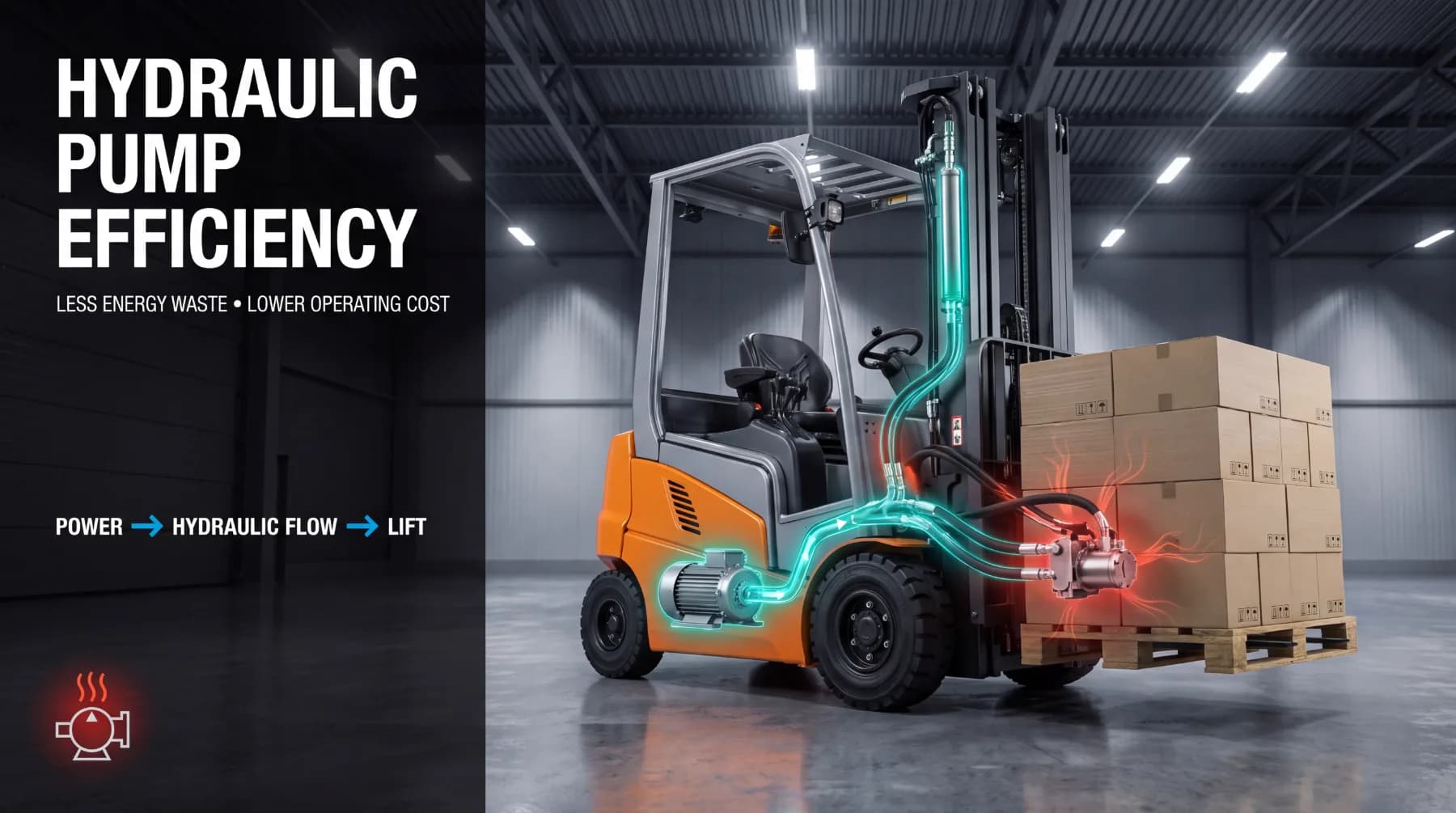
Energy is one of the quiet costs of running a forklift, and much of it flows through a single component you rarely think about: the hydraulic pump. Every time the forks rise or the mast tilts, that pump turns engine or motor power into the fluid movement that does the work. How well it makes that conversion decides how much fuel or battery charge each lift really costs. An efficient pump stretches your energy further, while an inefficient one wastes it as heat and strain. Understanding how hydraulic pump efficiency affects forklift energy consumption helps you run leaner, keep your machines responsive, and control operating costs over the long haul. This guide breaks down exactly where that energy goes and how to protect it.
How Hydraulic Pump Efficiency Affects Forklift Energy Consumption
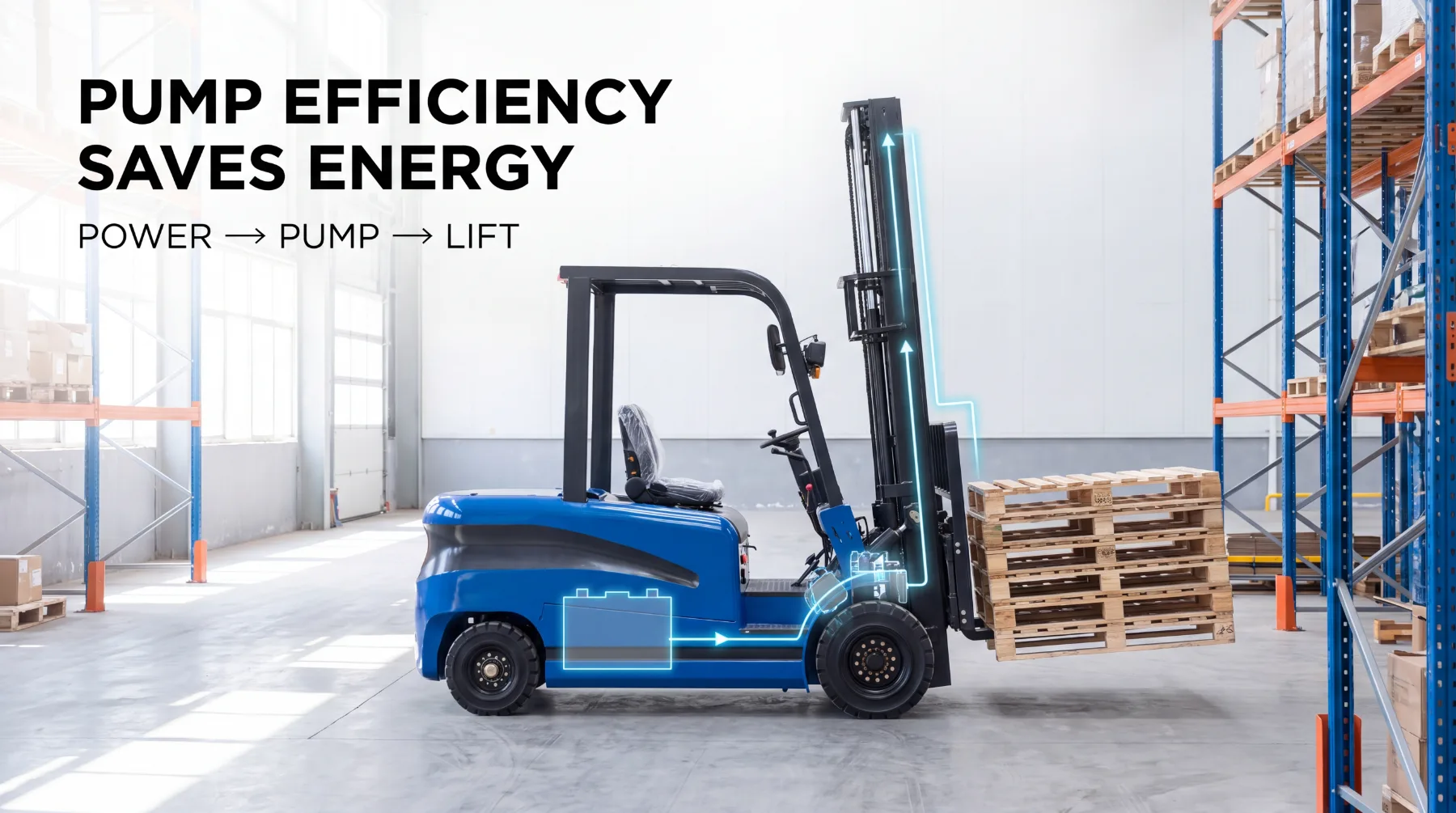
At its core, a hydraulic pump has one job: to convert the power supplied by the engine or electric motor into hydraulic flow that drives the forklift's lifting and tilting functions. How well it performs that conversion is what we mean by efficiency. A more efficient pump turns a greater share of that input power into useful hydraulic flow, with fewer losses along the way. That difference matters more than it might first appear, because every unit of power the pump wastes is fuel burned or battery charge spent for no productive return.
The practical payoff is straightforward. When a pump converts power efficiently, the forklift can perform the same lifting and tilting work while drawing less energy to do it. Two machines handling identical loads through an identical shift can consume noticeably different amounts of fuel or charge, and pump efficiency is often a major reason why. The efficient machine simply wastes less of what it takes in.
This has real consequences for any operation running forklifts day after day. Lower energy consumption for the same workload means fewer refuels, longer battery run times between charges, and reduced operating costs across a fleet. It also eases the demand placed on the engine or motor, since the power source does not have to work as hard to accomplish the same tasks. An efficient hydraulic pump, in short, is not a minor technical detail. It is a direct contributor to how economically and dependably a forklift operates, and it rewards attention with measurable savings over the working life of the machine.
How Pressure Losses Increase Hydraulic Energy Use
Not all the power a pump receives ends up moving a load. When a hydraulic pump or circuit operates inefficiently, a portion of the input power is lost along the way, and much of it turns into heat rather than useful hydraulic work. This is the hidden tax on an inefficient system: energy goes in, but instead of lifting forks or tilting the mast, it warms the oil and the components it passes through. Every bit of power converted to heat is power that never contributes to the job.
Pressure losses are a leading cause of this waste. As hydraulic oil travels through the pump, valves, hoses, and fittings, any unnecessary restriction forces the system to expend energy pushing fluid through it. That energy does not disappear; it converts into heat within the oil. The more restriction and inefficiency in the circuit, the more input power is lost this way, and the harder the engine or motor must work to deliver the same hydraulic performance.
Reducing unnecessary pressure losses is therefore one of the most effective routes to better energy efficiency. Consider where these losses tend to accumulate:
- Undersized or restrictive hoses that choke flow and force the system to work harder.
- Worn or poorly matched valves that leak internally or resist smooth fluid movement.
- Excessive circuit complexity that adds resistance without adding useful function.
When a system is designed and maintained to minimize these restrictions, less power is lost as heat and more reaches the working functions. The result is a forklift that accomplishes its lifting and tilting with less wasted energy, runs cooler, and places less strain on its power source. Controlling pressure losses keeps energy focused on productive work rather than bleeding it away as heat.
How Pump Efficiency Affects Lifting Performance
Efficiency is not only about saving energy; it also shapes how well the forklift lifts. An efficient pump delivers the required hydraulic flow to the lift cylinder more effectively, meaning more of the flow it generates actually reaches the cylinder and drives the piston. When that happens, the forks respond crisply and rise at the pace the work demands, because the oil the pump moves is being put to productive use rather than lost to internal inefficiency.
This connection between efficiency and responsiveness is important for operators who lift loads all day. A pump that delivers flow effectively supports lifting performance without asking for excessive power from the engine or electric motor. The machine feels strong and ready because its hydraulic energy is reaching the right place with minimal waste. An inefficient pump, by contrast, may struggle to supply adequate flow to the cylinder, and the operator can feel it in slower, less certain lifting even as the power source works harder to compensate.
That last point deserves emphasis, because it ties performance and energy use together. When a pump is efficient, the forklift achieves responsive lifting while keeping demand on the engine or motor reasonable. The power source is not forced to overwork simply to make up for energy lost inside the system. This keeps both performance and consumption in a healthy balance: the machine lifts well, and it does so without burning through fuel or charge to overcome its own inefficiency. For a busy operation, that combination of dependable lifting and controlled energy demand is exactly what keeps productivity high and costs in check. An efficient pump gives you both at once, rather than trading one for the other.
Why Hydraulic Oil Condition Affects Pump Efficiency
A pump can only be as efficient as the oil it moves, and the condition of that hydraulic fluid has a direct effect on how well the whole system performs. Contaminated, degraded, or incorrectly specified oil undermines efficiency in ways that quietly raise energy consumption. When the oil is not in good condition or is not the right specification for the machine, it increases friction and internal leakage within the hydraulic system, and both of those losses translate into wasted power.
The mechanisms are worth understanding. Contamination introduces particles that increase wear and friction as fluid moves through close-fitting components, forcing the pump to work harder against that resistance. Degraded oil that has broken down over time loses the properties it needs to flow and seal correctly. And oil of the wrong viscosity, whether too thick or too thin for the system, either resists flow or slips past internal clearances as leakage. Each of these conditions means the pump expends energy that never reaches the working functions.
Keeping oil clean and at the correct viscosity is therefore one of the most practical ways to protect pump efficiency. Consider what proper oil condition supports:
- Reduced friction as clean fluid moves smoothly through the pump and circuit.
- Less internal leakage when the oil holds the viscosity the system was designed around.
- Consistent efficiency that keeps energy focused on lifting and tilting rather than wasting overcoming poor fluid conditions.
Regular attention to oil quality, filtration, and correct specification pays back directly in efficiency. When the fluid is clean, sound, and properly matched to the machine, the pump operates as designed, converting power into flow with minimal loss. This is maintenance that protects both energy consumption and the long-term health of the hydraulic system, making it a worthwhile habit for any operation that values dependable, economical forklift performance.
How Proper Pump Sizing Reduces Energy Waste
Even a well-built pump running on clean oil can waste energy if it is not the right size for the machine. Proper pump sizing means matching the pump to the forklift's actual requirements for flow, pressure, and duty cycle. A pump chosen to suit those demands supplies exactly the hydraulic performance the machine needs, no more and no less, which is the foundation of efficient operation. When the pump is well matched, the forklift gets the flow and pressure its functions require without the system continuously drawing more power than the work calls for.
The problem with poor sizing runs in both directions. A pump that is too small may struggle to deliver adequate flow and pressure, leaving lifting sluggish and forcing the power source to strain. A pump that is oversized or poorly matched to the duty cycle can continuously consume more power than the hydraulic functions actually need, moving more oil than the job requires and wasting the surplus as heat and unnecessary load on the engine or motor. Either way, the mismatch shows up as energy spent without a productive return.
Matching the pump to the machine's real needs avoids both traps. When flow, pressure, and duty cycle are all considered together, the pump provides the necessary performance efficiently, drawing power in proportion to the work being done rather than wasting it around the clock. This is why thoughtful pump selection matters so much to energy consumption. A properly sized pump keeps the forklift responsive and capable while ensuring the power source is never asked to supply more than the task demands. For an operation focused on controlling energy costs and keeping equipment dependable, matching the pump to the machine is a decision that pays back in efficiency every hour the forklift works.
Conclusion
Hydraulic pump efficiency sits at the center of how much energy a forklift consumes. An efficient pump converts engine or motor power into hydraulic flow with fewer losses, letting the machine perform the same lifting and tilting work while using less fuel or charge. When efficiency slips, pressure losses turn valuable input power into heat, and the power source must work harder to compensate. Efficiency also shapes lifting performance, since a pump that delivers flow effectively keeps the forks responsive without overworking the engine or motor. The condition of the hydraulic oil plays a decisive role too, because clean fluid at the correct viscosity reduces the friction and leakage that quietly drain energy. Finally, matching the pump to the machine's flow, pressure, and duty cycle ensures it never draws more power than the work requires. Attend to these factors together, and your forklift will reward you with dependable performance, lower energy consumption, and controlled operating costs across its working life.
Frequently Asked Questions
1. How does hydraulic pump efficiency affect a forklift's energy consumption?
A hydraulic pump's job is to convert the power supplied by the engine or electric motor into hydraulic flow that drives the lifting and tilting functions. Efficiency describes how well it makes that conversion. A more efficient pump turns a greater share of the input power into useful flow with fewer losses along the way, so the forklift can perform the same workload while drawing less energy to do it. Every unit of power the pump wastes is fuel burned or battery charge spent for no productive return. Two machines handling identical loads through an identical shift can consume noticeably different amounts of energy, and pump efficiency is often a major reason why. Over a fleet and across many shifts, that difference translates into fewer refuels, longer battery run times, reduced operating costs, and less strain placed on the power source.
2. Why do pressure losses increase a forklift's hydraulic energy use?
When a hydraulic pump or circuit operates inefficiently, a portion of the input power is lost rather than converted into useful hydraulic work, and much of that lost power turns into heat. Pressure losses are a leading cause. As oil travels through the pump, valves, hoses, and fittings, any unnecessary restriction forces the system to expend energy pushing fluid through it, and that energy converts into heat within the oil instead of lifting a load. Common culprits include undersized or restrictive hoses, worn or poorly matched valves that leak internally, and excessive circuit complexity that adds resistance without adding function. The more restriction in the circuit, the more input power is wasted and the harder the engine or motor must work to deliver the same performance. Reducing these unnecessary pressure losses keeps energy focused on productive work and helps the machine run cooler and more economically.
3. Does pump efficiency affect how well a forklift lifts?
Yes. An efficient pump delivers the required hydraulic flow to the lift cylinder more effectively, meaning more of the flow it generates actually reaches the cylinder and drives the piston. This supports responsive lifting, with the forks rising at the pace the work demands, because the oil is being put to productive use rather than lost to internal inefficiency. Importantly, an efficient pump achieves this without requiring excessive power from the engine or electric motor. The machine feels strong and ready because its hydraulic energy reaches the right place with minimal waste. An inefficient pump, by contrast, may struggle to supply adequate flow to the cylinder, producing slower, less certain lifting even as the power source works harder to compensate. Efficiency therefore keeps performance and energy use in a healthy balance, giving dependable lifting and controlled demand on the power source at the same time.
4. How does hydraulic oil condition affect pump efficiency?
The condition of the hydraulic oil has a direct effect on how efficiently the pump operates. Contaminated, degraded, or incorrectly specified oil increases friction and internal leakage within the system, and both losses waste power that never reaches the working functions. Contamination introduces particles that raise wear and friction as fluid moves through close-fitting components, forcing the pump to work harder against that resistance. Degraded oil that has broken down over time loses the properties it needs to flow and seal properly. Oil of the wrong viscosity, whether too thick or too thin, either resists flow or slips past internal clearances as leakage. Keeping oil clean and at the correct viscosity reduces friction, limits internal leakage, and keeps energy focused on lifting and tilting. Regular attention to oil quality, filtration, and correct specification protects both energy consumption and the long-term health of the hydraulic system.
5. Why does proper pump sizing reduce energy waste?
Proper pump sizing means matching the pump to the forklift's actual requirements for flow, pressure, and duty cycle. A pump suited to those demands supplies exactly the hydraulic performance the machine needs without continuously drawing more power than the work calls for. Poor sizing wastes energy in both directions. A pump that is too small may struggle to deliver adequate flow and pressure, leaving lifting sluggish and forcing the power source to strain. A pump that is oversized or poorly matched to the duty cycle can continuously consume more power than the functions actually need, moving more oil than the job requires and wasting the surplus as heat and unnecessary load on the engine or motor. Matching the pump to the machine's real needs avoids both traps, so it provides the necessary performance efficiently, drawing power in proportion to the work being done rather than wasting it around the clock.
Need Equipment Help?
Turn the article into a buying decision with product guidance, attachment fit checks, and quote support.