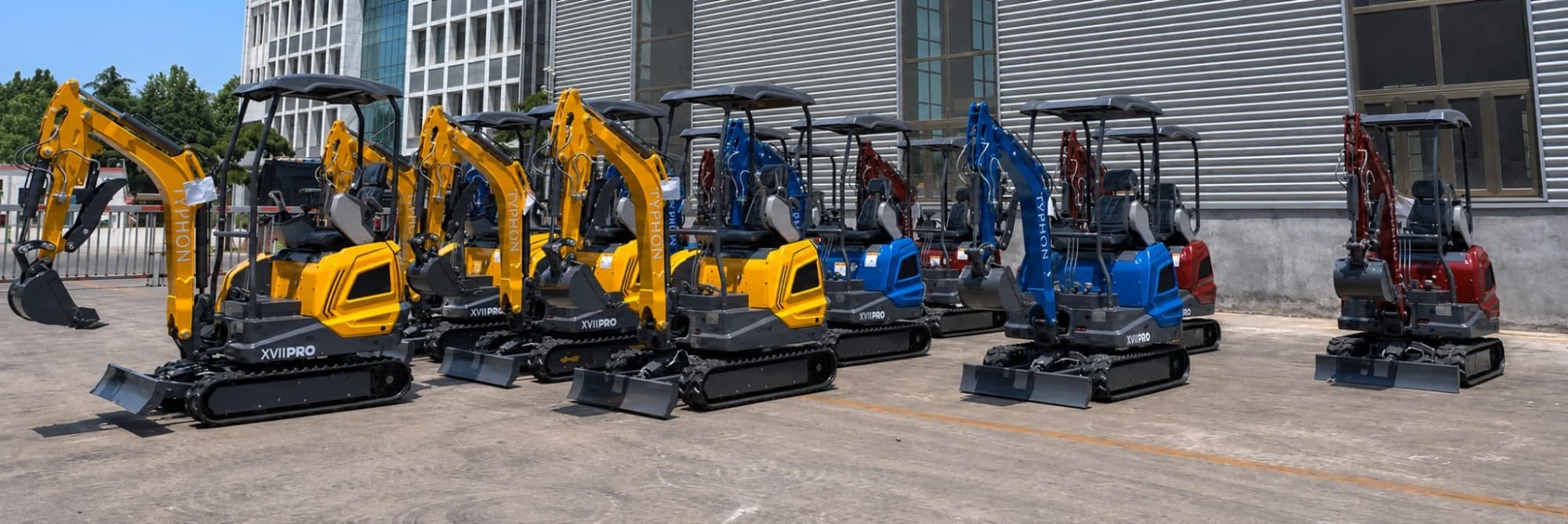
How to Maintain Mini Excavator Rubber Tracks
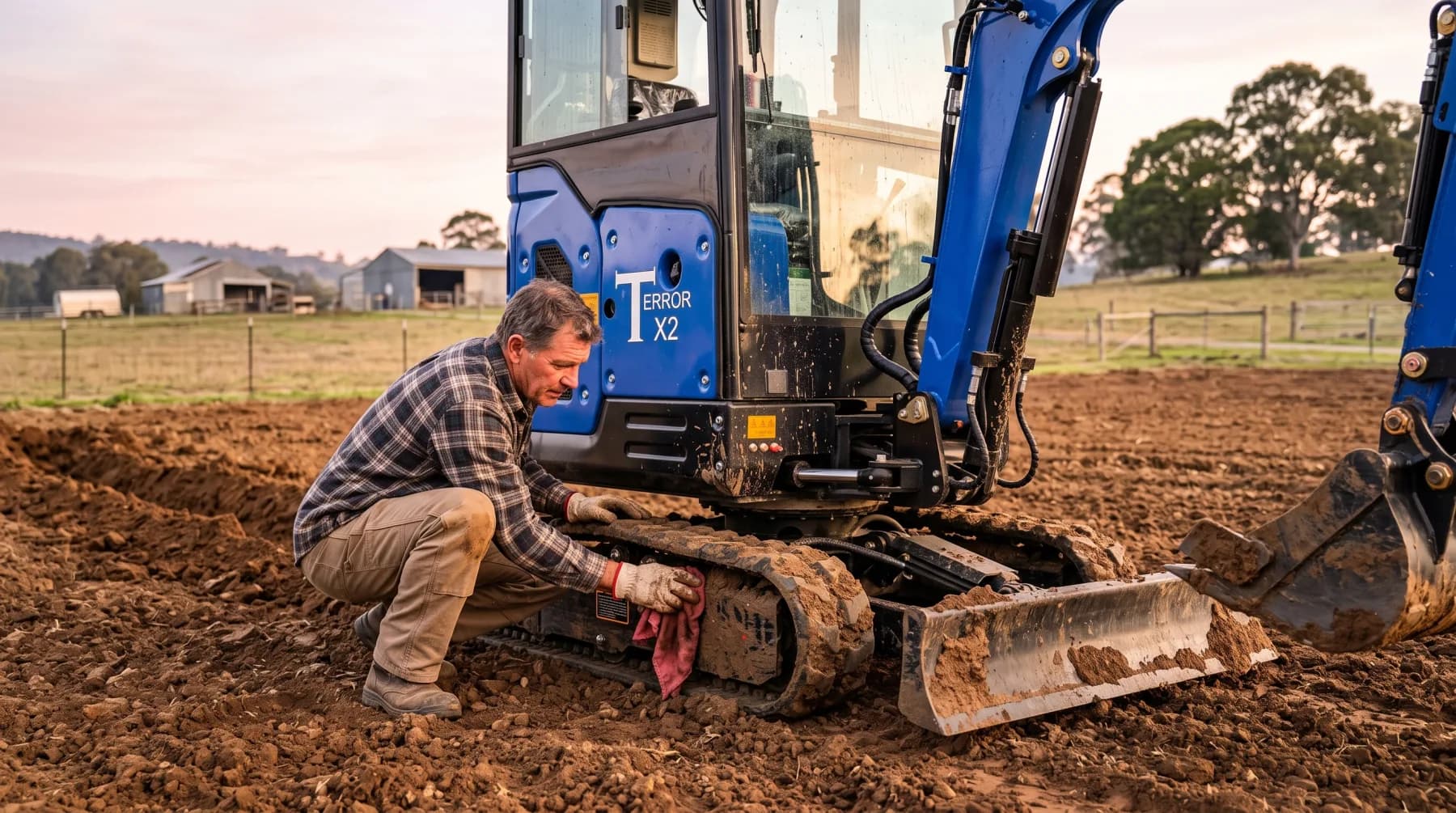
How to Maintain Mini Excavator Rubber Tracks
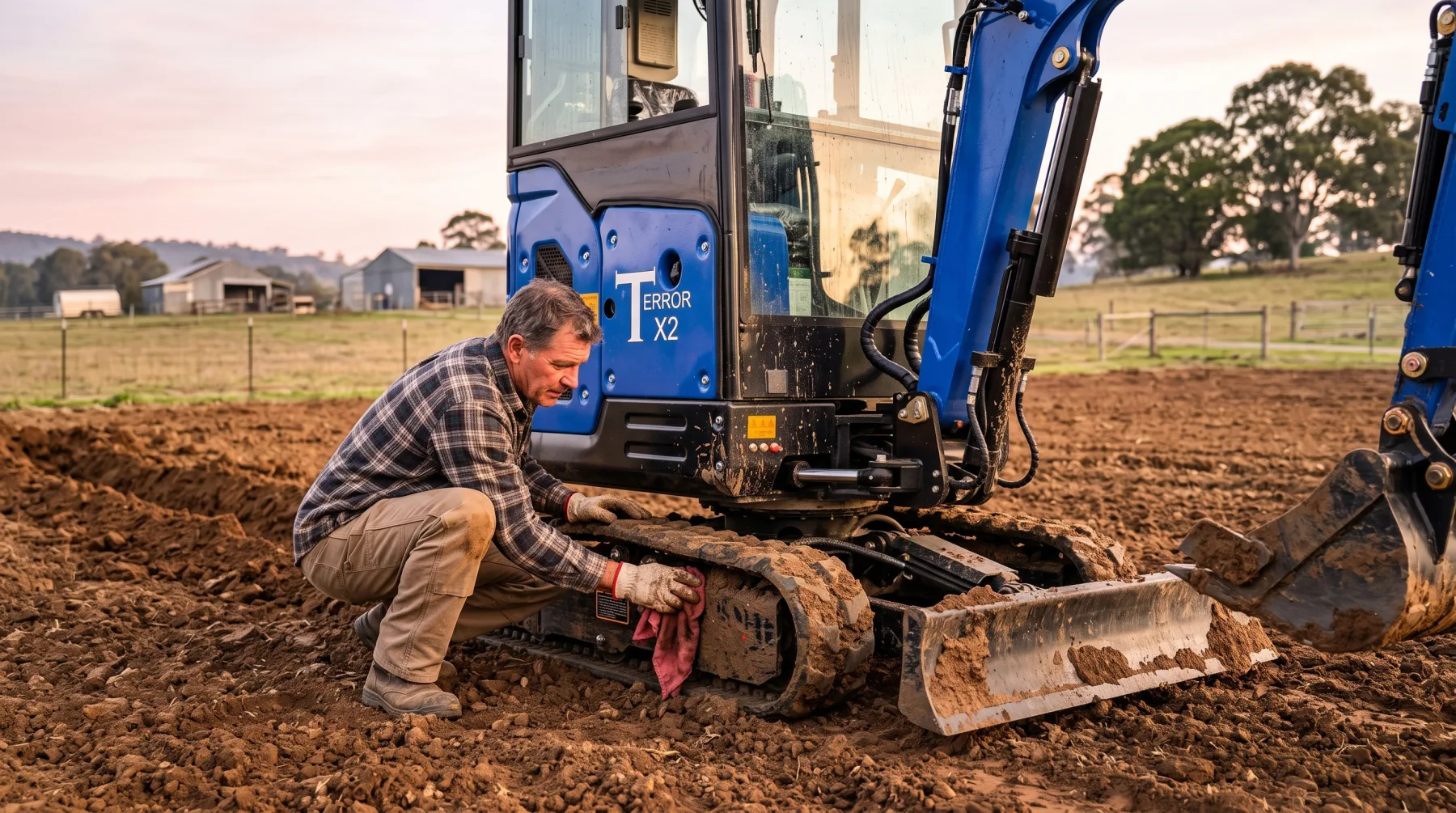
It's the middle of a job, the trench is half dug, and suddenly the machine lurches sideways. A rubber track has thrown itself off the rollers, and now you're staring at a wedged, mangled mess. Your afternoon is shot, and a fresh set of tracks will run you well over a thousand dollars. What stings most is the cause: not hard work, but a few skipped minutes of care that would have kept everything running smooth.
Rubber tracks are among the priciest wear parts on a mini excavator, and they fail early far more often from neglect than from use. The good news is that keeping them healthy takes very little time and no special skill. This guide walks you through building a daily inspection habit, dialing in proper track tension, cleaning the tracks and undercarriage, and spotting the warning signs that say it's time to replace. Each section gives you practical steps you can put to work right away.
Build a Daily Inspection Habit
Nearly every track failure starts small. A hairline crack, a loose track, or a stone lodged in the rollers all give warning long before they leave you stranded. A quick look before each use turns those hidden problems into easy fixes you handle on your own terms.
A consistent pre-operation inspection only takes a few minutes but can prevent hours of downtime and expensive repairs. Check track tension, inspect for cuts or missing rubber, remove debris from the undercarriage, and look for signs of leaking components or worn rollers. Catching these issues early helps extend track life, improves machine performance, and reduces the chance of unexpected failures on the jobsite.
What to Look for Before Each Use
A solid inspection takes about two minutes and follows the same route every time. Walk both sides of the machine and give the tracks and undercarriage a close, deliberate look before you dig.
Track surface for cracks, cuts, chunking, or any exposed steel cords.
Track sag along the top to gauge whether tension looks right.
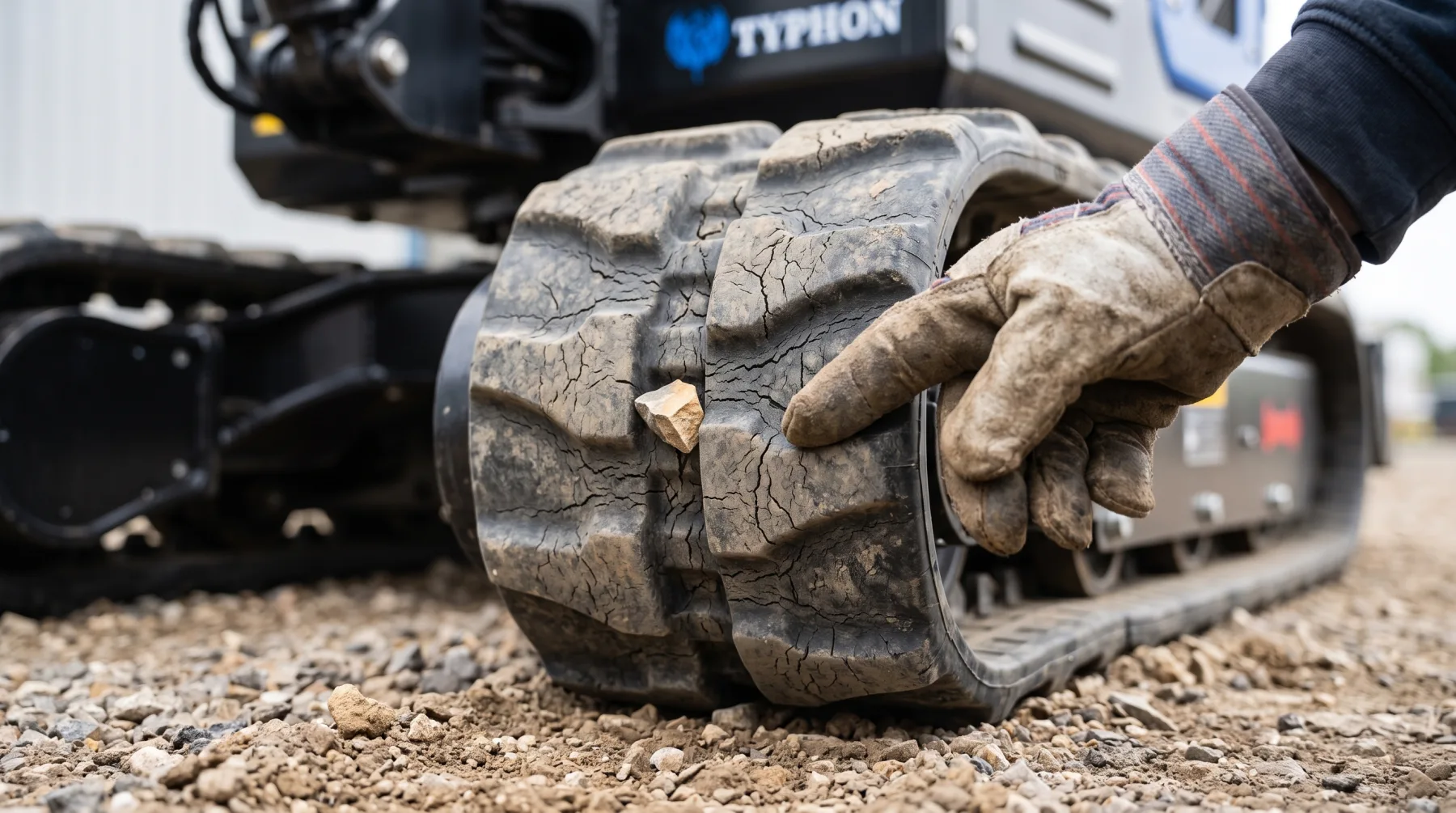
Rollers and idlers for lodged stones, packed mud, or debris.
Drive sprocket teeth for wear, bending, or chipping.
Bolts and fittings for anything loose, backing out, or missing.
Spotting a small crack or a trapped rock early costs you nothing but a moment. Missing it can cost you a track and a lost workday.
Turn the Check Into a Routine
Consistency is what makes the habit work. Tie the inspection to something you already do every time you start up, like your fuel and fluid check, so it becomes second nature rather than the first thing you skip when you're rushed.
Keep a rag and a flashlight in the cab, and note anything questionable so you can watch it over the coming days. A short list of small observations often reveals a developing problem before it turns into a breakdown.
Set and Maintain Proper Track Tension
Track tension does more to determine track life than any other single factor. Run it too loose and the track slaps, slips, and can derail on a turn. Run it too tight and you overload the idler and bearings, stretch the track, and grind through your undercarriage far too soon. Getting it right protects the whole system.
Because track tension naturally changes as the undercarriage wears and operating conditions vary, it should be checked regularly rather than set once and forgotten. Always adjust tension according to the manufacturer's specifications, especially after working in mud, rocky terrain, or changing temperatures. Properly tensioned tracks improve stability, reduce unnecessary wear on undercarriage components, and help the machine operate more efficiently throughout its service life.
Know Too Loose From Too Tight
Both extremes cause damage, just in different ways. Learning the feel of correct tension saves you from either costly mistake.
Too loose: The track sags heavily, slaps during travel, and risks jumping off on turns.
Too tight: The track sits drum-tight, strains the idler and bearings, and burns through the drive system.
Just right: Most machines call for a specific amount of sag between the rollers, spelled out in your owner's manual.
When you're unsure, lean slightly loose rather than tight. A loose track is a nuisance you'll notice; a tight one quietly destroys expensive parts without warning.
Adjust Tension Safely
Most mini excavators adjust track tension using a grease-filled cylinder located behind an access cover on the undercarriage. Adding grease moves the idler outward to tighten the track, while releasing grease allows the track to loosen. When making adjustments, park the machine on level ground and, if recommended by the manufacturer, slightly lift the track off the ground. Add grease gradually while checking the track sag against the specifications in the operator's manual, then rotate the track and recheck the measurement to ensure consistent tension.
When loosening the track, release grease slowly through the tension valve and always keep your body clear of the opening. Because the grease is under high pressure, sudden release can cause serious injury. Adjusting the track carefully and maintaining the correct tension according to the manufacturer's specifications is one of the most effective ways to extend track life and improve undercarriage performance.
Keep Tracks and Undercarriage Clean
Dirt looks harmless, but it's one of the quietest destroyers of rubber tracks. Packed mud, grit, and small stones grind against the rollers and lugs, speed up wear, and freeze solid in cold weather. A clean undercarriage lasts noticeably longer, and clearing it takes far less time than most owners expect.
Regular cleaning also gives you the opportunity to spot worn rollers, damaged track lugs, loose hardware, or leaking seals before they develop into major repairs. Washing out the undercarriage after working in mud, sand, or rocky conditions helps reduce abrasive wear, keeps moving components operating smoothly, and extends the service life of both the tracks and undercarriage.
Clear Debris After Every Job
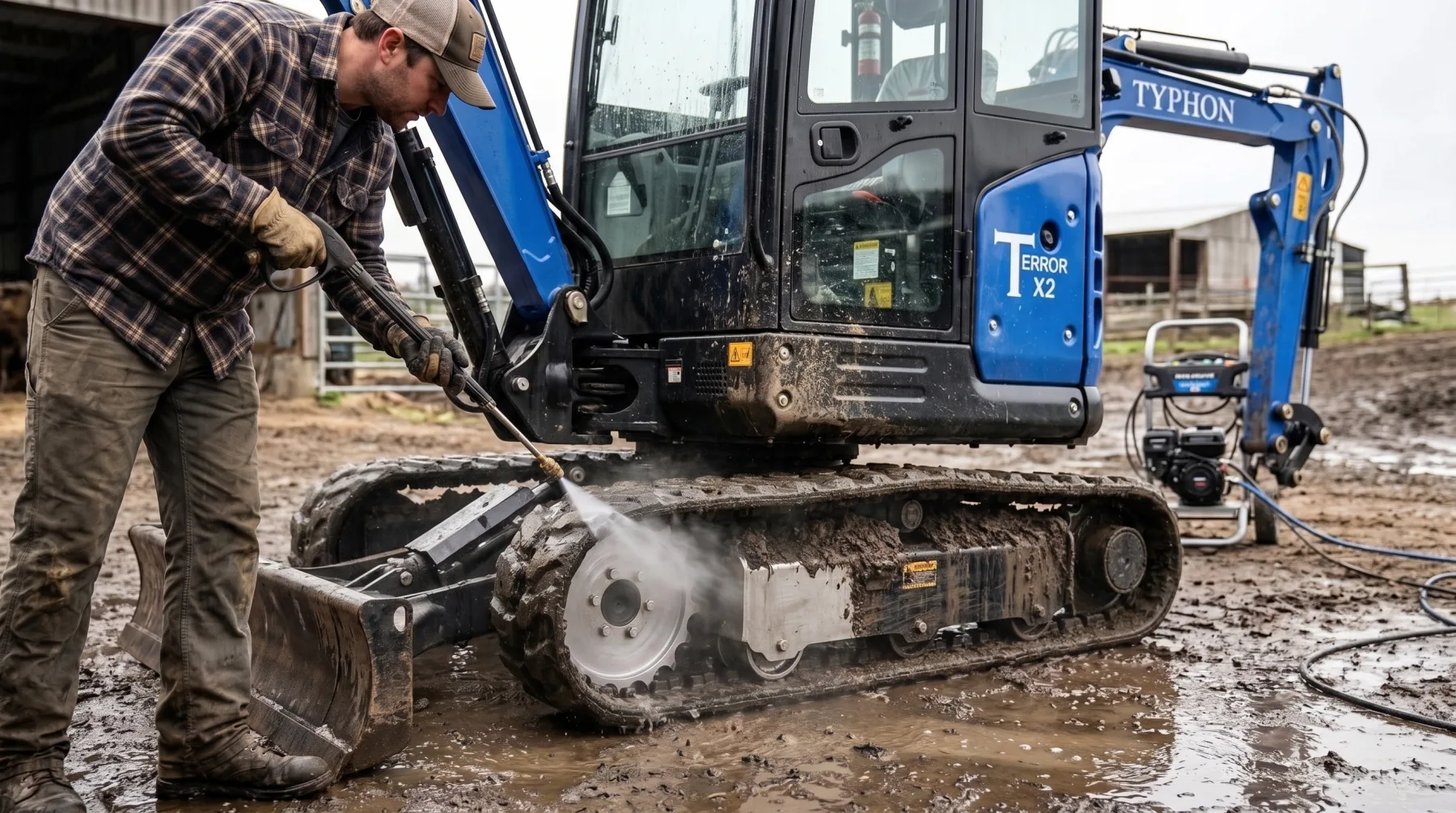
Cleaning the tracks immediately after finishing work is the best way to prevent mud, clay, and debris from hardening around the undercarriage. Remove packed material from the rollers, sprockets, and idlers, clear out lodged stones, and rinse away abrasive sand or grit that can accelerate wear. Pay extra attention after working in clay, rocky, or sandy conditions, as these materials are more likely to damage the tracks and undercarriage if left in place. Regular cleaning only takes a few minutes but can significantly reduce wear and extend component life.
Protect the Rubber From Damage
Cleaning is also your chance to keep the rubber in good shape. Tracks break down faster when they meet the wrong conditions, so a little care during cleanup goes a long way.
Rinse off fuel, oil, and chemicals, which degrade rubber over time.
Avoid spinning the tracks on abrasive surfaces like gravel and concrete.
Make gentle, gradual turns instead of hard pivots that shear the lugs.
Route around sharp debris whenever you reasonably can.
Recognize Replacement Warning Signs
Even well-cared-for tracks eventually wear out, and running them too long is both dangerous and costly. A track that fails mid-job can strand the machine, chew up the undercarriage, or come off entirely. Learning the warning signs lets you plan a replacement on your schedule instead of scrambling during a breakdown.
Watch for signs such as deep cracks, missing chunks of rubber, exposed steel cords, worn tread, frequent derailment, or uneven track wear. Replacing tracks before they reach the point of failure helps protect expensive undercarriage components, reduces unplanned downtime, and keeps your mini excavator operating safely and efficiently on every job.
Watch for the Telltale Signs
Rubber tracks give clear signals as they near the end of their life. Check for these during your regular inspections.
Worn-down lugs that no longer grip, leaving the tread nearly smooth.
Deep cracks or chunking where chunks of rubber have torn away.
Exposed steel cords showing through the rubber, a clear replace-now signal.
Repeated derailing even after you've set tension correctly.
Bulges or separation in the track body, pointing to internal failure.
Exposed steel is the point of no return. Once the internal cords show, the track can fail without warning and should come off the machine right away.
Weigh Repair Against Replacement
Minor surface cuts can sometimes be watched over time, but structural damage means replacement. Judge the track by its overall condition rather than a single flaw.
If the lugs are worn, the tread is cracking, and the machine has some age on it, replacing rather than patching almost always makes better sense. Structural problems only worsen, and a planned swap costs far less than an emergency one.
Takeaway: Replace at the first sign of exposed cords or structural failure, and you'll dodge the much higher cost of a breakdown and undercarriage damage.
Conclusion
Rubber tracks are one of the most expensive parts on your mini excavator, and how long they last comes down almost entirely to care. A quick daily inspection catches trouble early, correct tension protects the entire undercarriage, regular cleaning keeps abrasive grit from grinding your tracks down, and knowing the replacement signs keeps a small job from turning into a costly failure. None of it demands much time, and all of it saves you real money.
Taking a proactive approach to track maintenance is one of the simplest ways to protect your mini excavator and avoid unnecessary repair costs. When it's time to replace worn tracks or upgrade your undercarriage components, work with a trusted equipment specialist who can recommend the right track type and specifications for your machine, operating conditions, and workload, helping you get the best performance and service life from your investment.
Frequently Asked Questions
How should I care for rubber tracks through the changing seasons?
Seasonal shifts put extra strain on rubber tracks. In cold months, clear off mud and moisture before parking so debris can't freeze around the rollers and idler overnight, and let the machine warm up before hard travel to keep the rubber flexible. In hot weather, avoid long stretches on scorching asphalt or concrete, which soften and wear the tread faster. Store the machine out of direct sun year-round, since UV exposure slowly breaks down the rubber compound.
How do I choose the right track width for my machine and terrain?
Track width balances flotation against ground pressure. Wider tracks spread the machine's weight over more surface, which helps on soft, muddy, or sandy ground and reduces turf damage on finished lawns. Narrower tracks put more pressure on a smaller footprint, giving better grip and stability on firm or rocky terrain. Match the width to the ground you work on most, and always stay within the sizes your machine's undercarriage is rated to accept.
Should I replace just one track or both at the same time?
Whenever practical, replace both together. Two tracks that share the same wear age keep the machine tracking straight and spread the load evenly across the undercarriage. Pairing a brand-new track with a worn one causes uneven tension and pulls the machine to one side, which stresses components and shortens the new track's life. If only one track is damaged early by a puncture or cut, at least match the replacement's size, tread pattern, and specifications as closely as you can.
Need Equipment Help?
Turn the article into a buying decision with product guidance, attachment fit checks, and quote support.