The Benefits of Compact Electric Scissor Lifts for Indoor Projects
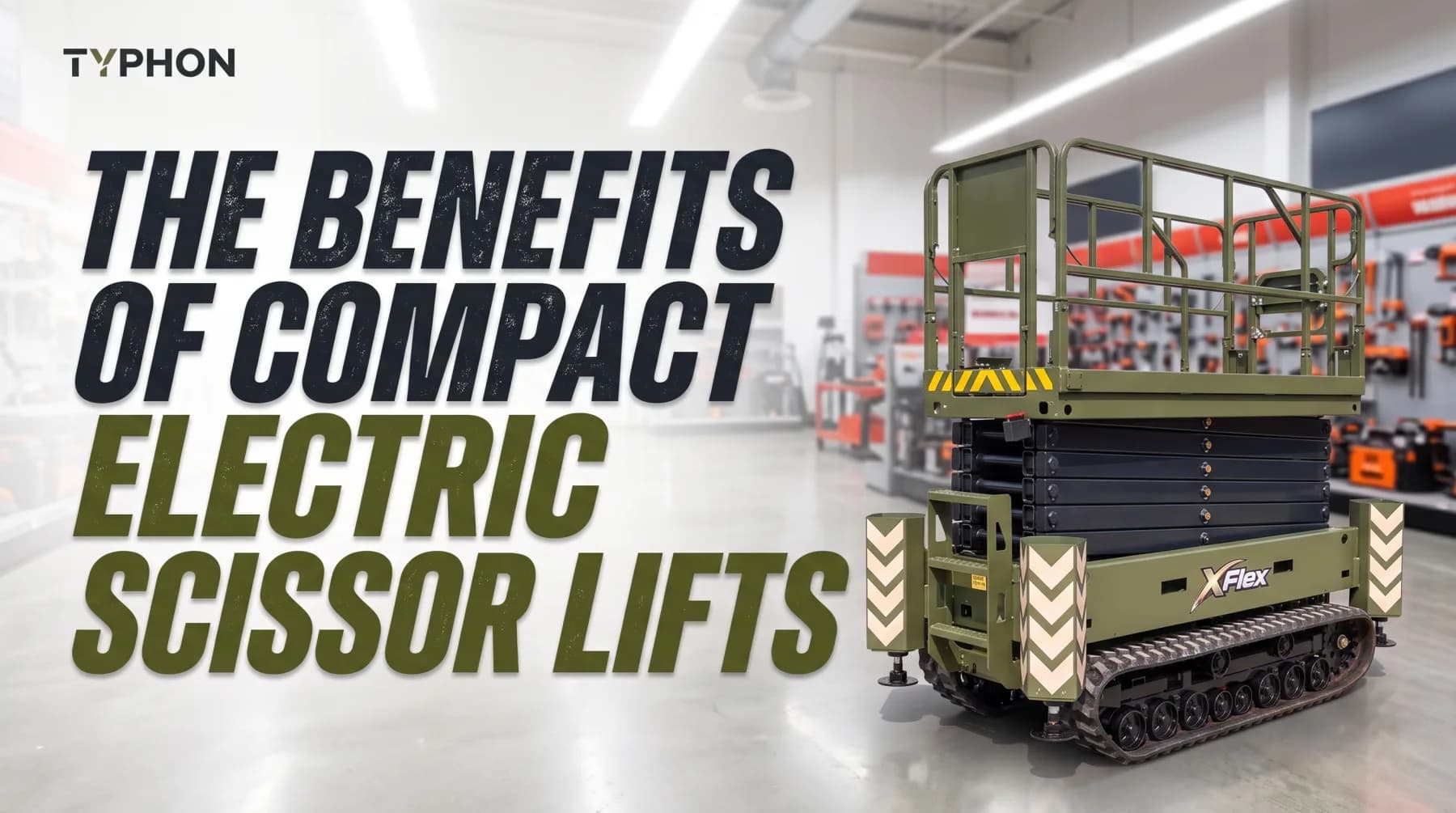
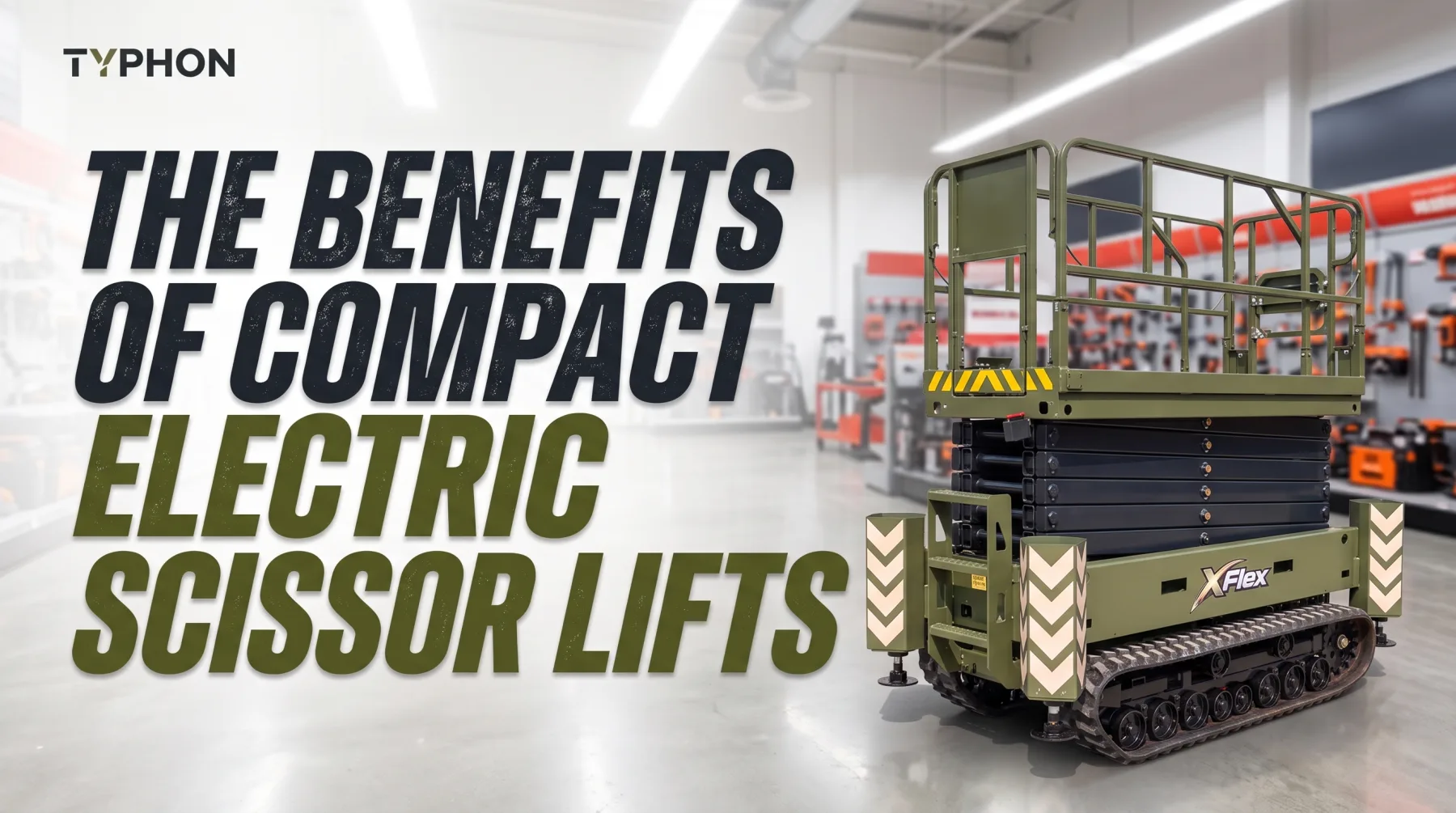
An electrical contractor rolls into a finished retail space to run conduit and hang fixtures across a 20-foot ceiling, only to find a rented rough-terrain lift far too wide for the aisles and pumping exhaust into a sealed room with the HVAC already running. Ladders would take three times as long and leave his crew stretching in ways nobody should. So he swaps the oversized machine for a compact electric scissor lift, and the whole job shifts. It threads between display racks, rises silently to the ceiling, and never fouls the air the store's staff breathe all day. What looked like a slow, awkward job wraps a full afternoon early. That single change is exactly why indoor crews reach for a compact electric lift.
Indoor work rewards equipment that runs clean, fits tight, and lifts safely, and a compact electric scissor lift delivers all three in one machine. Projects in retail stores, warehouses, hospitals, schools, and occupied offices all share the same basic demands: the equipment can't contaminate the air, it has to fit the aisles, and it has to give the operator a stable place to work at height. A compact electric scissor lift answers every one of those demands without compromise. This post walks through the benefits that matter most on an enclosed job site — zero emissions and cleaner air, a small frame that maneuvers in tight quarters, quiet operation on active floors, the platform height that makes safe overhead work possible, and the return the machine offers a contractor who uses it regularly. Here's why it earns a spot on so many indoor projects.
Zero Emissions Keep Indoor Air Clean
Air quality is where an electric lift proves its worth first, and the proof is immediate. Running on battery power, a compact electric scissor lift produces no exhaust at the point of use, so it works all day inside a sealed building without fouling the air your crew and everyone around them breathe. Combustion machines put carbon monoxide and other fumes directly into enclosed space, which forces constant ventilation, air monitoring, and sometimes work stoppages just to keep conditions safe enough for the crew.
Cleaner air protects both people and the finished environment in ways that add up across a long shift. An electrician running conduit for eight hours in a sealed retail space breathes the same air dozens of times over; every fume the machine puts out, the crew takes in. Beyond health, contamination matters in sensitive settings. Retail floors, hospitals, schools, food-handling areas, and pharmaceutical facilities all demand equipment that won't introduce fumes, soot, or combustion byproducts into the space. An emissions-free lift removes that hazard entirely rather than trying to manage it with fans and open doors.
Facilities often enforce this standard directly. Many hospitals and grocery distribution centers won't permit combustion equipment inside under any circumstances, which means a combustion lift doesn't just underperform indoors, it may not be allowed on the job at all. Choosing electric keeps you compliant and on the schedule rather than scrambling for a swap. Proper maintenance and performance checks are also important, especially when learning how to identify and diagnose slow scissor lift performance caused by battery issues, hydraulic problems, or worn components. Following safe indoor air-quality and operating practices matters with any lift, and a battery-powered machine makes that job far simpler and far more reliable than any ventilation workaround.
Compact Size Maneuvers in Tight Spaces
Indoor sites rarely offer the open room a construction yard does. Narrow aisles, standard doorways, display fixtures, finished walls, and shelving rows all box in the work area, and a bulky lift simply can't operate where it can't fit. A rough-terrain machine wide enough for outdoor ground may be two feet too wide for the aisle it needs to enter, which stalls the whole job at the entrance. A compact electric scissor lift is built precisely for these constraints, sized to roll through standard commercial doorways and turn in aisles that would stop a larger machine before it even gets close to the work.
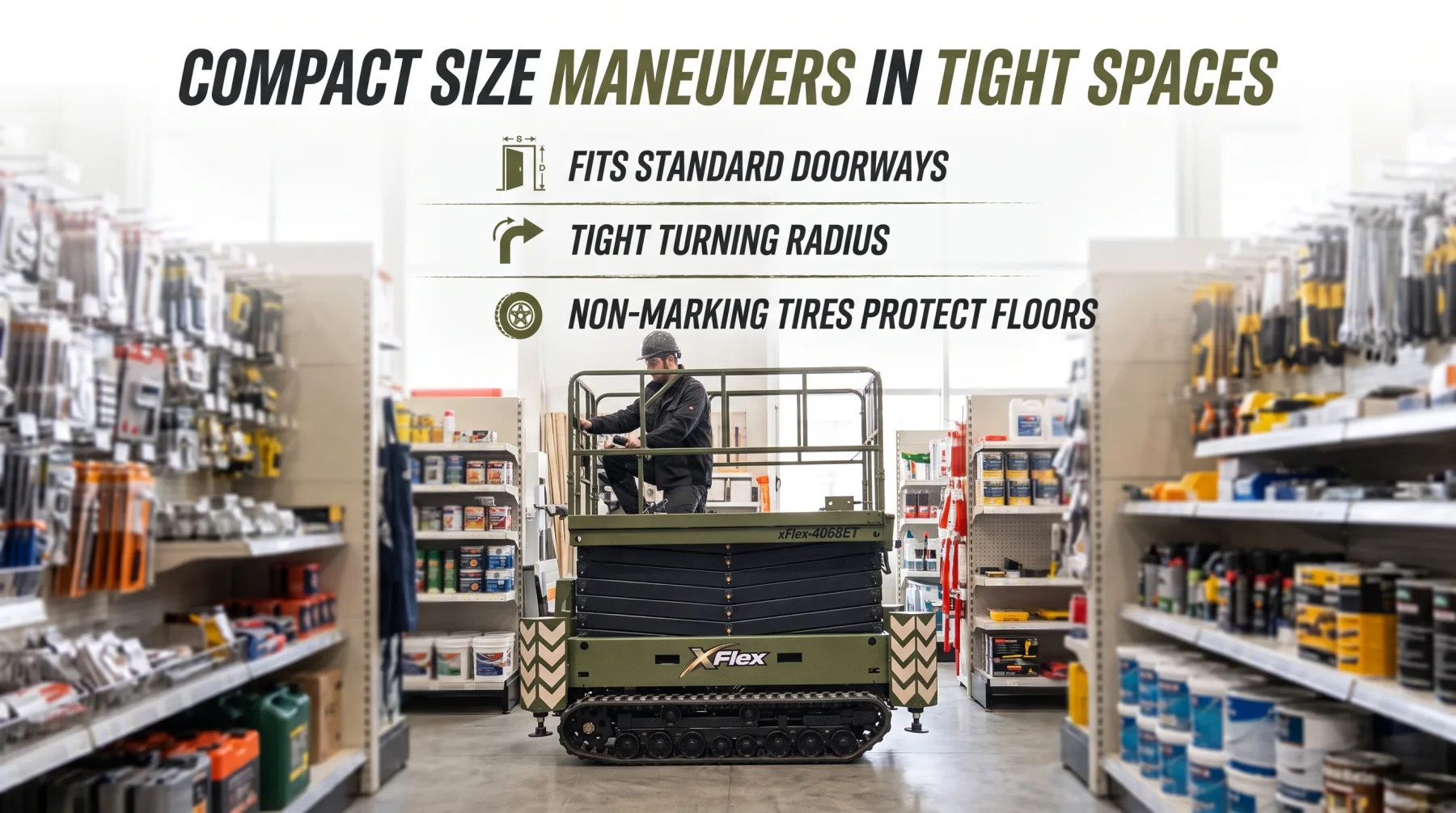
Small dimensions do more than squeeze through gaps. Because the machine sits narrow and drives with a tight turning radius, an operator repositions it quickly between work points instead of wrestling it around every shelf end and column. Picture an electrician running drops across a big-box ceiling: a narrow lift rolls from point to point in seconds, keeping the crew productive instead of spending half their time repositioning. Non-marking tires protect finished floors as the lift moves, which matters enormously in a space that has to look untouched when the crew packs up and leaves.
Compact size also pays dividends in how the machine travels through the building. Rolling a narrow, lightweight electric lift from the loading dock to the work area is straightforward; maneuvering an oversized machine through fire doors, past shelving, and around corners is a job in itself. Confirming the machine's width and turning radius against the tightest point in your work area keeps you from arriving on site with equipment that can't reach where it needs to go. Add all of that up, and a compact footprint turns what would be a frustrating, cramped job into a straightforward one.
Quiet Operation on Active Floors
Noise wears on everyone sharing a building, and it does real damage to a contractor's relationship with the client. Combustion engines run loud, and an active retail floor, hospital wing, or occupied office simply can't absorb that racket while staff, patients, and customers go about their day. A compact electric scissor lift runs with a near-silent hum, which lets a crew work overhead without disrupting the business operating below them. That distinction is often what gets a contractor called back for the next job rather than replaced.
Quiet operation isn't only a courtesy to the building's occupants. Safety improves directly when the machine runs softly. When operators can clearly hear ground crew, spotters, backup alerts, and each other across the floor, coordination sharpens and the chance of a miscommunication drops. On a loud job site, workers shout and gesture; on a quiet one, they talk and point, which keeps everyone sharper and the work more accurate. Lower ambient noise also cuts operator fatigue across a long shift, since fighting to hear over an engine wears a person down well before the physical effort does.
Many occupied facilities enforce noise limits during business hours, which makes a quiet machine the only option if the work can't wait for after-hours access. A hospital can't close the wing, and a grocery store can't shut its doors for a ceiling repair. For contractors who specialize in occupied-space work, near-silent electric operation is often what makes the job achievable at all, and it's a selling point worth naming when you're quoting against a competitor who still hauls in combustion equipment.
Platform Height Makes Safe Overhead Work Possible
Reaching the work safely is the whole point of a scissor lift, and this is where a compact electric model earns its keep more directly than any other benefit. The machine raises a stable, guardrail-equipped platform to ceiling height, giving an operator a solid, level surface to stand on instead of balancing on a stepladder or stretching from a rolling scaffold. That stable base lets a crew handle electrical rough-in, conduit runs, HVAC work, drywall finishing, painting, and fixture installation with both hands free and their footing completely secure.
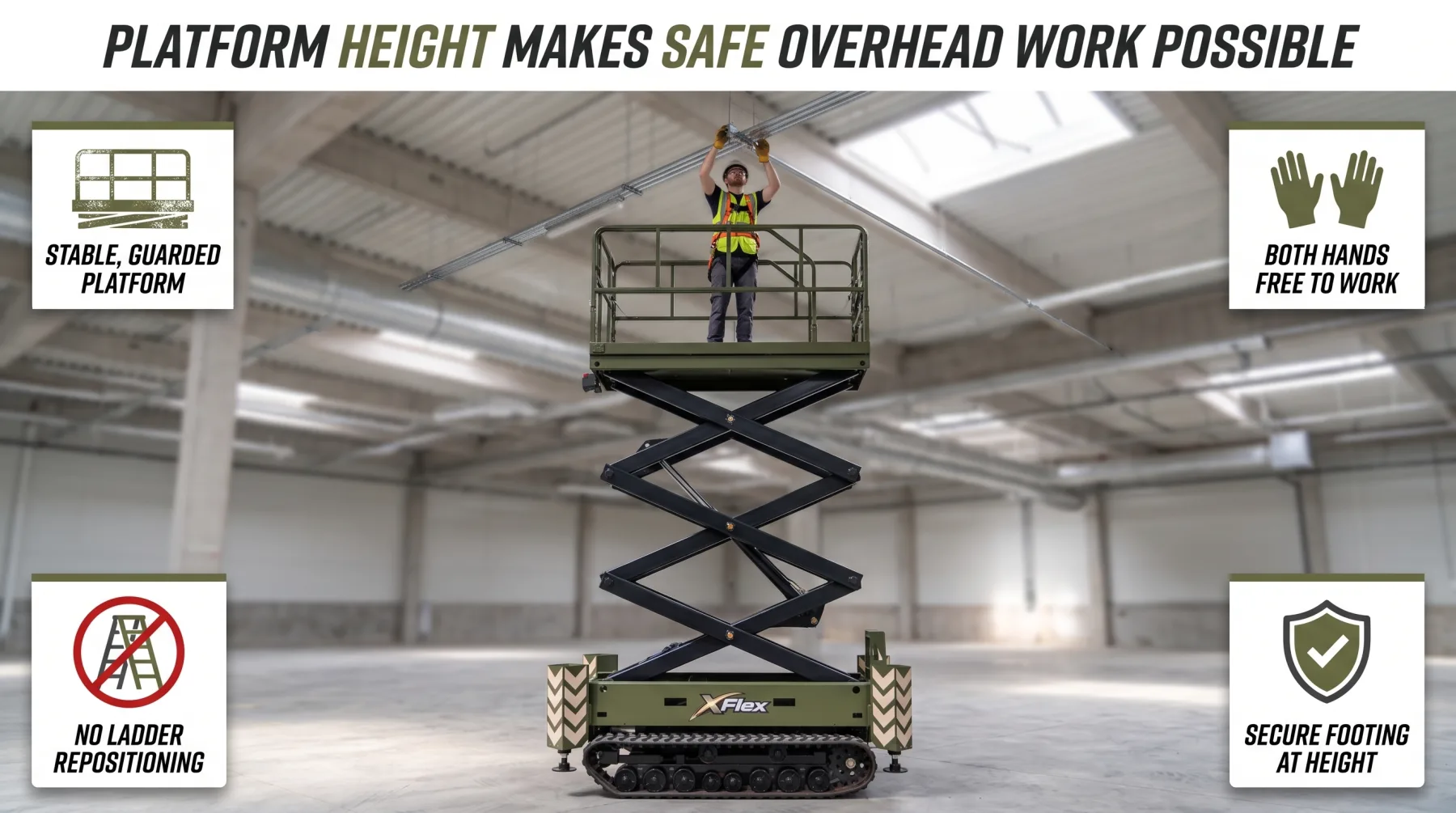
Contrast that with a ladder setup on the same job. Every task requires repositioning the ladder, climbing up and back down, and stretching further than comfortable to avoid another move. At 20 feet overhead, that stretch becomes a fall risk on every single ceiling tile. A scissor lift eliminates all of it. The operator rises to the work, stays there until the task is done, and descends cleanly before rolling to the next spot.
Height brings its own responsibilities, and respecting them keeps every lift safe. Every machine lists a maximum working height and a platform weight limit, and both numbers matter. Loading a platform beyond its weight rating reduces stability at extension; overreaching beyond the guardrails shifts the operator's center of mass in a way the machine wasn't designed to handle. Neither habit is worth the risk. Used within its rated limits, a compact electric scissor lift turns overhead work that used to be risky and slow into a routine, controlled process a crew can repeat accurately all day. Following safe fall-protection and operating practices every time the platform goes up protects both the operator and the contractor's business.
Value and ROI for Contractors
Cost is the question every contractor weighs first, and a compact electric scissor lift holds up well under that scrutiny when you look at the full picture rather than just the purchase price. Charging a battery costs far less than buying fuel for a combustion machine, and that gap widens steadily as fuel prices climb and electricity costs stay flat. An electric drivetrain also carries far fewer moving parts to service, so the maintenance side stays lighter than a combustion machine year after year. Both of those savings compound across every job the lift works, slowly but reliably closing the gap on the higher upfront cost.
Versatility is where the value really stacks up. One compact electric scissor lift covers electrical, drywall, painting, HVAC, fixture installation, and general maintenance work in warehouses, stores, schools, and offices, which means a single purchase handles most of an indoor contractor's overhead-access needs. Instead of renting a machine for each project type or hauling scaffolding into and out of every job, the crew rolls in with a lift that's already matched to the work. Faster setup than scaffolding and far safer footing than ladders trim labor hours on every single job, and those savings repeat across the entire season.
The machine also protects the surfaces it rolls across. Non-marking tires prevent floor damage that would otherwise cost the contractor money and a client's goodwill. In a finished retail or medical space, protecting the floor isn't optional — it's part of delivering the job cleanly. Whether buying beats renting depends on how often you work at height indoors. Crews that run ceiling and overhead work regularly recoup the purchase price faster, while contractors who face this type of work only occasionally may find renting fits their schedule better. Either way, protecting the machine with a steady maintenance routine and training operators to run it within its rated limits keeps it earning for years.
Conclusion
Compact electric scissor lifts earn their place on indoor projects because they solve the problems that combustion and oversized equipment create: foul air, blocked aisles, noise, unsafe heights, and unnecessary cost. Zero emissions protect the air in sealed buildings and keep contractors compliant with facility rules, while a narrow frame threads through doorways and aisles that a larger machine would never clear. Near-silent operation lets crews work in occupied spaces without disrupting the staff and customers around them, and a stable, guardrail-equipped platform turns risky overhead reaching into controlled, repeatable work that keeps the crew safe all day. Lower running and maintenance costs close the gap on the purchase price steadily, and the machine's versatility means one unit covers most of an indoor contractor's ceiling-height needs across every job type. Match the machine's height and platform capacity to the work you do most, keep it on a reliable maintenance schedule, and run it within its rated limits every time. When you're ready to put a dependable compact electric scissor lift to work, reach out to a trusted equipment specialist who can pair a reliable machine with the results your projects depend on.
Frequently Asked Questions
Why choose an electric scissor lift for indoor work?
It runs on battery power with zero emissions and low noise, so it operates safely inside sealed and occupied buildings without fouling the air, disrupting staff and customers, or requiring extra ventilation. Non-marking tires also protect finished floors, which matters in retail, medical, and other high-finish environments.
Can a compact scissor lift fit through standard doorways and tight aisles?
Yes. Its narrow frame and tight turning radius let it roll through standard commercial doorways and maneuver in aisles that would stop a larger machine at the entrance, which makes it well suited to retail floors, warehouses, schools, and any finished interior space where width and clearance are limited.
How high can a compact electric scissor lift reach?
Each model lists a maximum working height that typically covers common indoor ceiling heights, giving an operator a stable, guardrail-equipped platform for electrical, HVAC, painting, and fixture work. Always confirm the specific model's rated height and platform weight limit before you put it to use on your project.
Need Equipment Help?
Turn the article into a buying decision with product guidance, attachment fit checks, and quote support.