Dumper Machines for Construction, Agriculture, and Landscaping
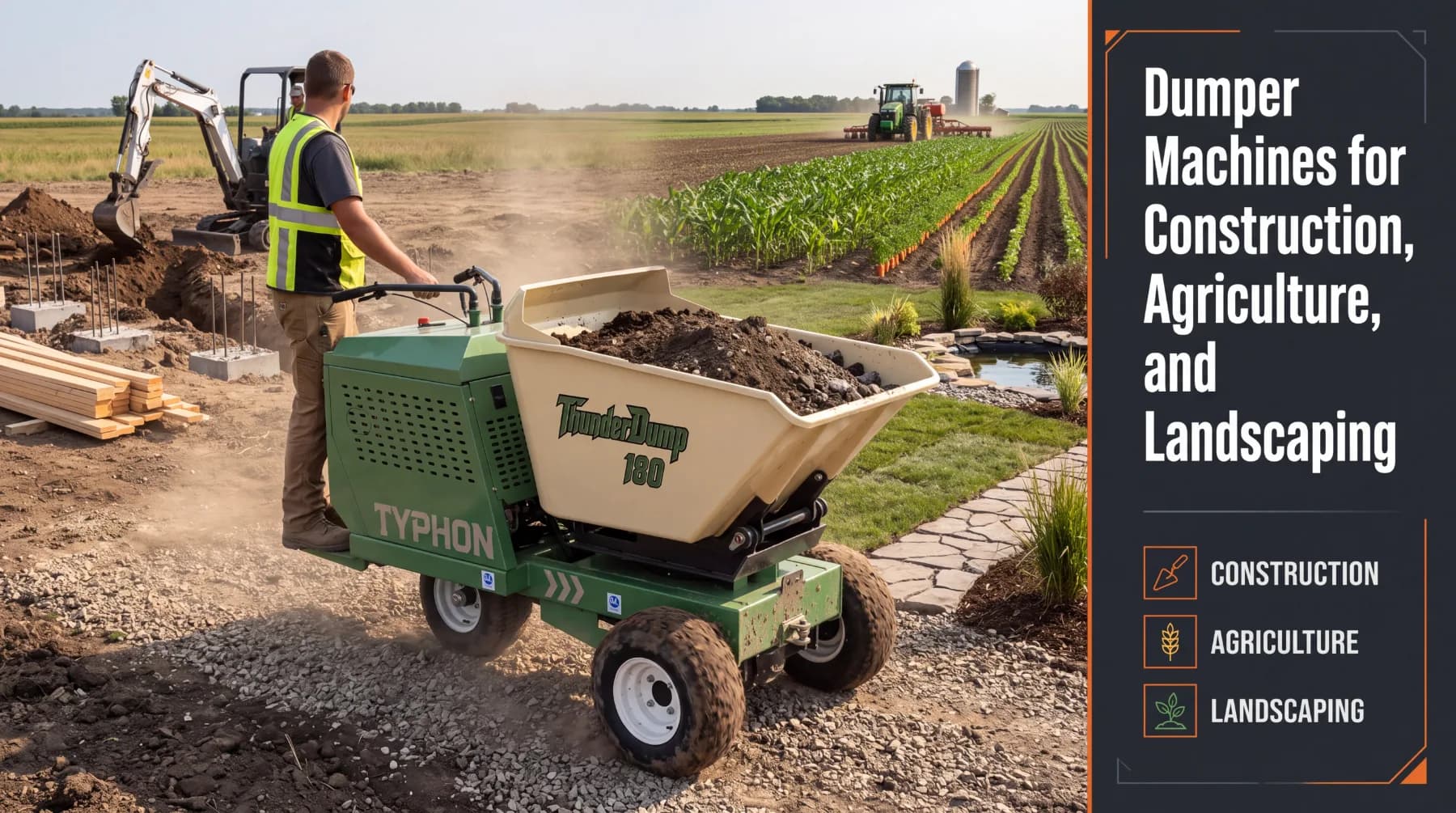
Moving material efficiently is one of the quiet foundations of productive work, whether you are clearing a construction site, tending a farm, or reshaping a garden. When loads of soil, gravel, or debris have to travel from one part of a property to another, the right machine turns a slow, labor-intensive task into a fast, controlled one. Dumper machines are built for exactly this purpose, and their versatility across industries is a large part of why they have become such dependable equipment.
This guide explains how dumper machines support construction, agriculture, and landscaping across five key areas. You will learn how they move material around construction sites, how they handle soil and bulk materials on farms, how they support landscaping projects, how different designs cope with challenging terrain, and how to choose the right dumper for your specific work. By the end, you will have a clear, practical picture of where these machines add value and what to weigh before selecting one.
Moving Materials Around Construction Sites
Construction sites depend on the steady movement of material, and dumpers are among the most effective machines for the job. They transport soil, gravel, sand, concrete, and demolition debris between different areas of a site, keeping material flowing from where it is produced to where it is needed. This ability to carry substantial loads and discharge them precisely makes dumpers a natural fit for the constant material handling that construction work demands.
The range of tasks a dumper supports across a project is broad:
Excavation, moving spoil away from the dig to a stockpile or waiting truck
Foundation work, delivering fill, aggregate, and concrete to where it is placed
Roadwork, carrying base material and hauling away excess as the work advances
General site preparation, shifting soil and debris to keep the site clear and organized
What makes dumpers so valuable here is the combination of carrying capacity and controlled dumping. Rather than relying on repeated trips with smaller equipment or manual handling, a crew can move meaningful volumes in a single load and place them exactly where they belong. This keeps material handling efficient even as a project moves through its phases and the demands on the site change.
The result is a smoother, more productive operation from start to finish. When material reaches its destination reliably and on time, other trades stay on schedule and the whole project keeps its rhythm. For construction crews managing large volumes of soil, aggregate, and debris, a dumper provides the dependable transport that efficient site work depends on.
Handling Soil and Crops in Agriculture
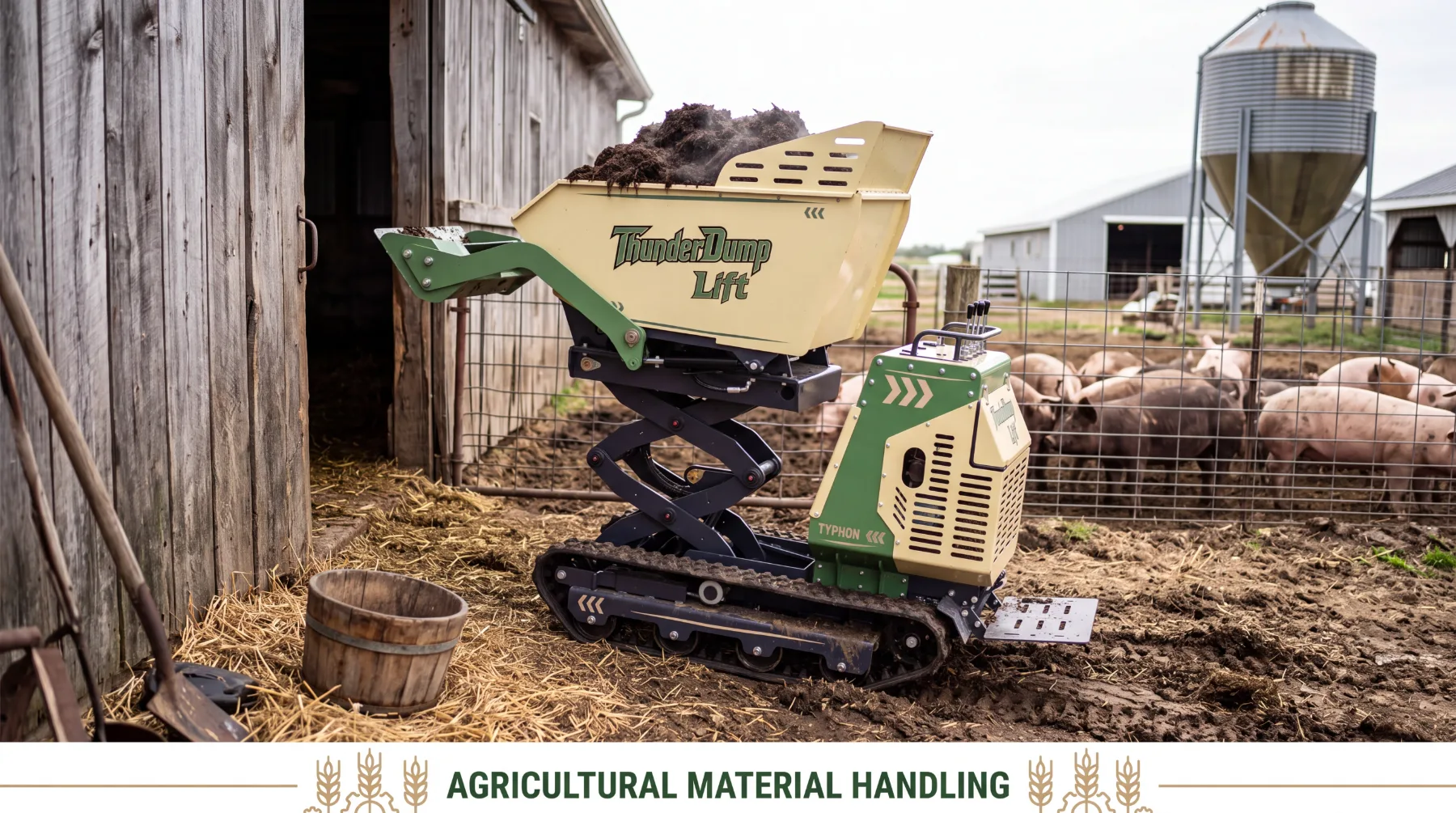
Agricultural operations involve moving large quantities of bulk material, and dumpers offer farmers a practical way to handle that work. Around farms and fields, these machines transport soil, compost, mulch, feed, and other bulk materials, taking on tasks that would otherwise consume significant time and manual effort. Whether spreading compost across a plot, delivering feed to livestock, or shifting soil during land management, a dumper keeps material moving at a steady, manageable pace.
Compact models prove especially useful where access is limited. Farms are rarely open and unobstructed, and much of the work happens in tight spaces between buildings, along narrow rows, or across uneven ground that larger machines struggle to navigate. A compact dumper reaches these areas directly, slipping through gateways and passages that would stop bigger equipment. This lets a farmer bring the machine to the work rather than carrying material by hand over the last difficult stretch.
The benefit becomes clear across the varied demands of a working farm. A crew can move compost to a growing area, haul feed to where animals are kept, and clear material from one part of the property to another, all while reducing the physical strain that manual handling places on workers. This frees people to focus on tasks that genuinely need their attention and keeps the operation running efficiently.
For agricultural work defined by bulk materials and challenging access, a dumper that suits the scale and layout of the farm is a dependable tool. Matching the machine to the space and the load ensures it handles the everyday material movement that keeps a farm productive throughout the season.
Supporting Landscaping Projects
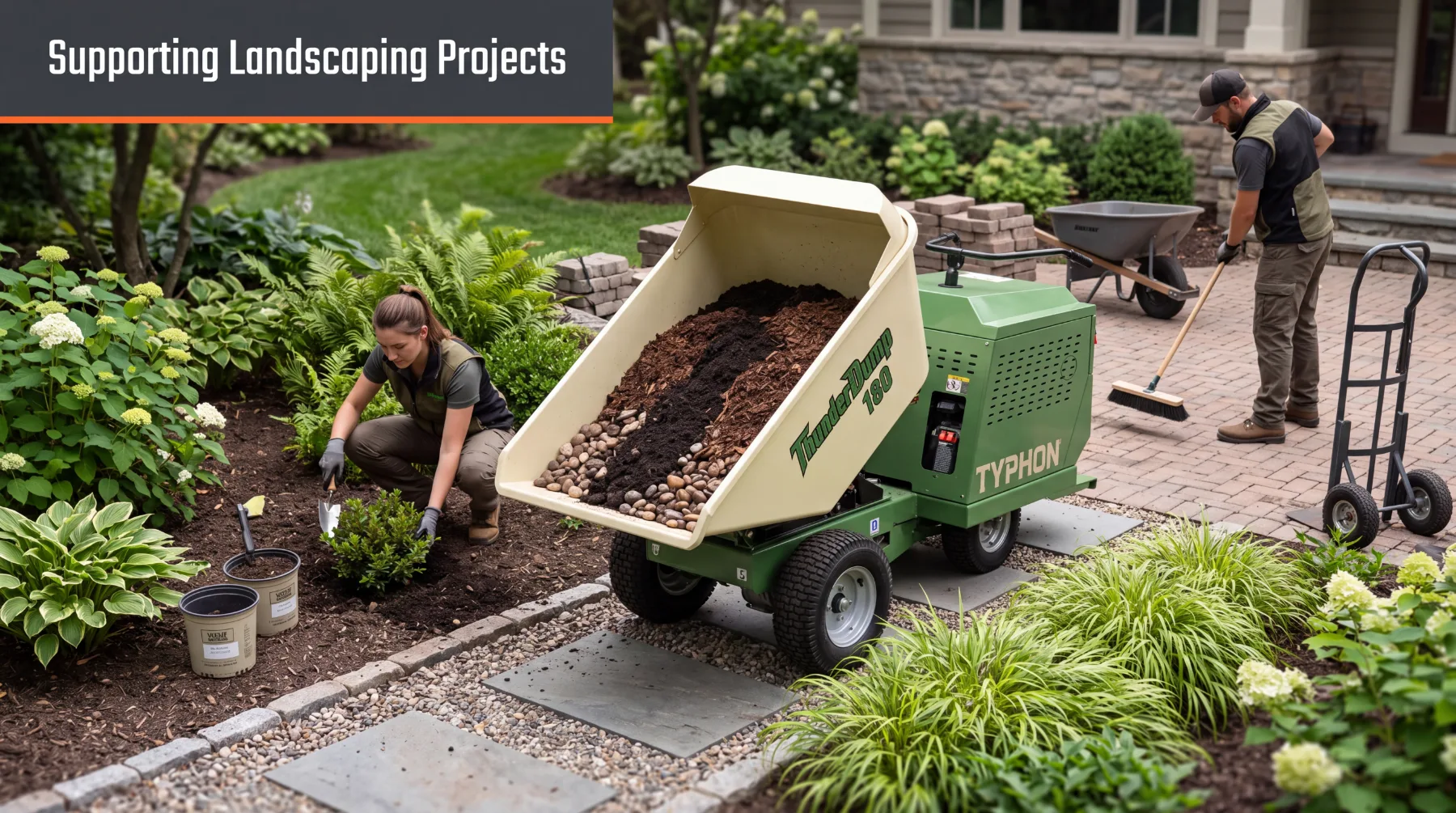
Landscaping work involves moving substantial amounts of material, and doing it by hand is slow, tiring, and hard to sustain across a full project. A dumper changes that by taking on the heavy lifting, transporting soil, stone, mulch, and green waste between different parts of a property with far less manual handling. This shift from shovels and wheelbarrows to a capable machine keeps material flowing and protects crews from the fatigue that stretches out a job.
The materials landscaping projects rely on are exactly the kind a dumper handles well. Topsoil and stone need to reach planting and hardscaping areas, mulch has to be distributed around beds and borders, and green waste and debris must be cleared away as the work progresses. Rather than making dozens of trips by hand, a crew can carry meaningful loads in a single run, keeping the site tidy and the work moving at a steady pace.
This efficiency matters especially on properties where material has to travel some distance or navigate around finished features. Established gardens often include patios, planted beds, and other elements that a machine must work around carefully. A suitably sized dumper lets a crew move material across the property while respecting these features, placing loads where they are needed without disturbing the surrounding work.
By reducing manual material handling, a dumper helps landscaping crews complete projects faster and with less physical strain. Material reaches its destination reliably, waste clears quickly, and the crew stays focused on the skilled work of shaping the landscape. For any project that involves moving large volumes across a property, a dumper is a practical way to keep the operation efficient and the results consistent.
Working Across Different Terrain
The environments dumpers work in are rarely smooth or predictable, and their ability to handle varied terrain is central to their usefulness. Many dumper machines are designed to operate across construction sites, fields, gardens, and other uneven surfaces, moving material reliably where the ground is soft, rutted, muddy, or sloped. This capability is what allows a single machine to stay productive across the changing conditions a real jobsite or property presents.
Several design features help a dumper cope with challenging ground, and the right combination depends on the conditions you expect to face:
Tracks spread the machine's weight over a larger area and grip well on loose or slippery surfaces, providing stability where wheels might struggle
Low ground pressure reduces the impact on soft or delicate ground, helping the machine travel across it without sinking or causing damage
All-wheel drive delivers power to every wheel, improving traction and keeping the machine moving through mud, loose material, and uneven terrain
Each of these features addresses a particular kind of difficulty. Tracks and low ground pressure suit soft, wet, or sensitive surfaces such as fields and gardens, where minimizing damage and maintaining grip both matter. All-wheel drive helps on the loose, muddy, and irregular ground common to construction and agricultural work, where traction can otherwise be hard to maintain.
Choosing a dumper with the mobility features suited to your conditions is what keeps it working dependably where the terrain turns difficult. A machine matched to the ground will move material confidently across slopes, rough patches, and soft spots alike, rather than stalling the moment conditions get demanding. For work that spans varied surfaces, this terrain capability is a genuine factor in day-to-day productivity.
Choosing the Right Dumper for the Job
Selecting the right dumper means looking beyond a single specification and weighing several factors together against the demands of your work. A machine perfectly suited to one application may fall short in another, so the goal is to match the dumper's capabilities to the material you move and the environment you work in. Thinking these factors through as a connected whole leads to a machine that genuinely fits the job.
A few key specifications deserve close attention:
Capacity, which determines how much material the dumper carries and releases per load and should suit the volume your work involves
Machine dimensions, which govern whether the dumper can access and maneuver within your site, especially in tight spaces
Ground clearance, which affects how well the machine handles rough or obstructed terrain
Dumping height, which sets how high the machine can raise its load to discharge into trucks, containers, or over obstacles
Drive system, which shapes traction and mobility across the surfaces you work on
Terrain capability, which decides whether the machine performs reliably on the ground it will cross
These factors reinforce one another, and considering them in isolation can lead to a mismatch that quietly limits performance. A generous capacity means little if the machine is too large to reach the work, and strong terrain capability falls short if the dumping height cannot serve your receiving equipment. The most dependable approach starts with a clear picture of your material and your environment, then confirms that each specification suits those demands.
When these specifications align with the real conditions of the work, the dumper places material reliably and efficiently across the full range of tasks your operation involves. Matching the machine to the application this way gives you equipment you can count on, whether the job is on a construction site, a farm, or a landscaped property.
Conclusion
Dumper machines earn their place across construction, agriculture, and landscaping by doing one thing exceptionally well: moving material efficiently wherever the work demands. They transport soil, gravel, and debris around construction sites, handle compost, feed, and bulk materials on farms, and reduce the manual handling that slows landscaping projects. Thoughtful design features such as tracks, low ground pressure, and all-wheel drive keep them productive on the uneven terrain these industries present.
The key to getting the most from a dumper is matching the machine to the application. Before selecting one, take an honest look at the material you move, the spaces you work in, and the ground you cross, then weigh capacity, dimensions, ground clearance, dumping height, drive system, and terrain capability against those needs. When you match these specifications to the real conditions of your work, you gain a dependable, versatile machine that keeps material flowing and your projects moving forward with confidence.
Frequently Asked Questions
1. What materials can a dumper machine handle on a construction site?
Dumpers are designed to transport a wide range of common construction materials, including soil, gravel, sand, concrete, and demolition debris. They move these materials between different areas of a site, carrying substantial loads and discharging them precisely where they are needed. This makes them well suited to a variety of tasks throughout a project. During excavation, a dumper moves spoil away from the dig to a stockpile or waiting truck. In foundation work, it delivers fill, aggregate, and concrete to placement areas. On roadwork, it carries base material and hauls away excess as the work advances, and during general site preparation it shifts soil and debris to keep the site clear and organized. The real value lies in combining carrying capacity with controlled dumping, so a crew can move meaningful volumes in a single load rather than relying on repeated trips or manual handling. This keeps material flowing reliably, helps other trades stay on schedule, and supports a smoother, more productive operation from start to finish.
2. Are dumpers useful on farms, and which type suits agricultural work?
Yes, dumpers are genuinely useful in agricultural operations, where moving large quantities of bulk material is a regular part of the work. They transport soil, compost, mulch, feed, and other bulk materials around farms and fields, taking on tasks that would otherwise demand significant time and manual effort. This might include spreading compost across a plot, delivering feed to livestock, or shifting soil during land management, all handled at a steady, manageable pace. Compact models are especially valuable on farms because access is often limited. Much of the work happens in tight spaces between buildings, along narrow rows, or across uneven ground that larger machines struggle to navigate. A compact dumper reaches these areas directly, slipping through gateways and passages that would stop bigger equipment. This lets a farmer bring the machine to the work rather than carrying material by hand over the last difficult stretch. Choosing a model whose size and capacity suit the scale and layout of the farm ensures it handles everyday material movement efficiently throughout the season.
3. How does a dumper help with landscaping projects?
A dumper helps landscaping projects by taking on the heavy work of moving material, which reduces the manual handling that makes these jobs slow and tiring. Landscaping involves transporting substantial amounts of soil, stone, mulch, and green waste between different parts of a property, and doing this by hand with shovels and wheelbarrows is hard to sustain across a full project. A dumper carries meaningful loads in a single run, keeping material flowing and protecting crews from fatigue. The materials landscaping relies on suit a dumper well. Topsoil and stone reach planting and hardscaping areas, mulch is distributed around beds and borders, and green waste and debris are cleared away as the work progresses. This efficiency matters most on properties where material must travel some distance or navigate around finished features such as patios and planted beds. A suitably sized dumper lets a crew move material carefully while respecting these features, placing loads where they are needed. The result is faster completion, less physical strain, and consistent results.
4. What features help a dumper work on difficult or uneven terrain?
Several design features help a dumper stay productive on the soft, muddy, rutted, or sloped ground common across construction sites, fields, and gardens. Tracks are one option, spreading the machine's weight over a larger area and gripping well on loose or slippery surfaces, which provides stability where wheels might struggle. Low ground pressure is another, reducing the machine's impact on soft or delicate ground so it can travel across it without sinking or causing damage. All-wheel drive delivers power to every wheel, improving traction and keeping the machine moving through mud, loose material, and uneven terrain. Each feature addresses a particular challenge. Tracks and low ground pressure suit soft, wet, or sensitive surfaces such as fields and gardens, where maintaining grip and minimizing damage both matter. All-wheel drive helps on the loose and irregular ground typical of construction and agricultural work. Choosing a dumper with the mobility features matched to your expected conditions keeps it working dependably where the terrain turns difficult rather than stalling.
5. What specifications should I consider when choosing a dumper?
Choosing the right dumper means weighing several specifications together against the demands of your work rather than focusing on any single number. Capacity determines how much material the machine carries and releases per load and should suit the volume your work involves. Machine dimensions govern whether the dumper can access and maneuver within your site, which matters greatly in tight spaces. Ground clearance affects how well the machine handles rough or obstructed terrain, and dumping height sets how high it can raise its load to discharge into trucks, containers, or over obstacles. The drive system shapes traction and mobility across your working surfaces, and terrain capability decides whether the machine performs reliably on the ground it will cross. These factors reinforce one another, so considering them in isolation can lead to a mismatch. A generous capacity means little if the machine cannot reach the work, and strong terrain capability falls short if the dumping height cannot serve your receiving equipment. Start with a clear picture of your material and environment, then confirm each specification suits those needs.
Need Equipment Help?
Turn the article into a buying decision with product guidance, attachment fit checks, and quote support.