Road Roller for Gravel Roads: When and Why to Use One
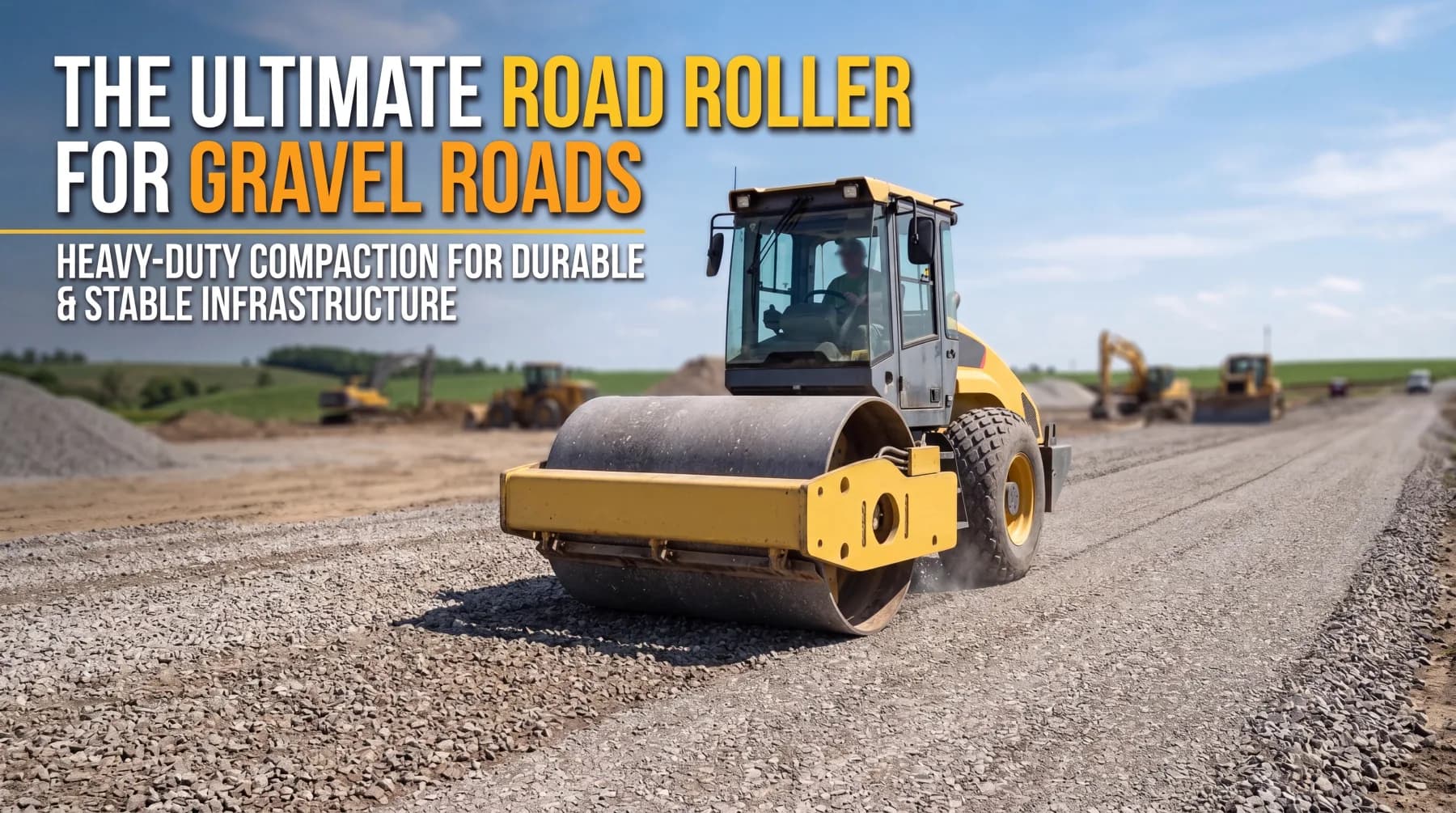
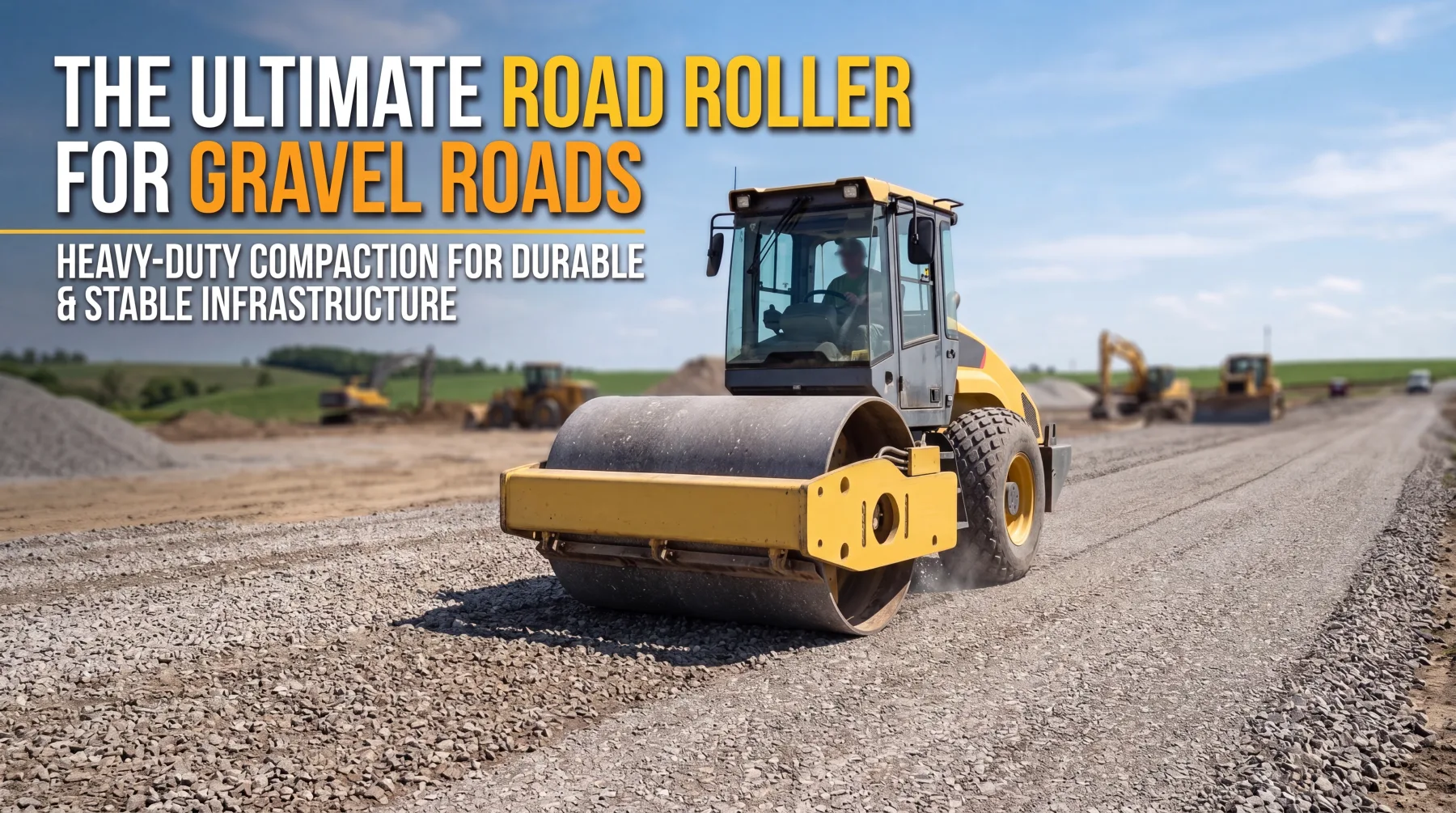
A gravel road is only as good as the compaction beneath it. Skip that step or rush it, and you end up with loose surfaces, potholes, washboarding, and constant repair costs that drain your budget season after season. Get it right, and you build a road that holds firm under traffic, sheds water, and lasts for years with far less upkeep. A road roller is the tool that makes the difference, but knowing when to use one, which type to choose, and how to operate it properly is what separates a durable road from a troubled one. This guide walks you through why gravel needs compaction, when a roller earns its place, how to pick the right machine, the value of vibratory rollers, and the best practices that deliver lasting results.
Why Gravel Roads Need Proper Compaction
Loose gravel may look like a finished road, but without compaction it lacks the strength to carry traffic and withstand the elements. Compaction is the process that presses gravel particles tightly together, removing the air gaps that weaken the surface and inviting the material to settle into a dense, stable mass. That density is what gives a gravel road its ability to bear loads without rutting, shifting, or breaking down under repeated use. A properly compacted road behaves like a single solid layer rather than a loose collection of stones.
The strength gained from compaction ties directly to how well the road handles both traffic and weather. When particles lock together, they distribute the weight of vehicles across a wider area, reducing the stress on any single point and preventing the ruts and depressions that form on loose surfaces. Compaction also controls water, which is the greatest enemy of any gravel road. A dense surface sheds water rather than absorbing it, protecting the road from erosion, softening, and the freeze-thaw damage that tears loose material apart.
Proper compaction delivers several lasting advantages worth understanding:
- Greater load-bearing strength, so the road resists rutting and deformation under traffic.
- Improved stability, keeping gravel in place instead of shifting and scattering.
- Better water resistance, reducing erosion, potholes, and freeze-thaw damage.
- Longer service life, lowering the frequency and cost of repairs and regrading.
For anyone responsible for building or maintaining gravel roads, this matters enormously. A well-compacted road stretches limited maintenance dollars further by delaying the need for costly rework and keeping the surface safe and smooth for drivers. When you understand that compaction is what turns loose gravel into a genuine road, the value of doing it correctly becomes clear on every project you undertake.
When to Use a Road Roller on Gravel Roads
A road roller earns its place at several key stages in a gravel road's life, and recognizing those moments helps you get the most from the machine. New road construction is the most obvious application. When you build a gravel road from the ground up, each layer of material must be compacted before the next is added, ensuring the road develops strength from the base upward. Rolling every lift creates a solid foundation that supports the surface above it, and skipping this step during construction all but guarantees premature failure.
Repairs and resurfacing projects are equally important moments for a roller. When you patch potholes, rebuild eroded sections, or address soft spots, fresh gravel must be compacted to bond with the surrounding surface and restore the road's integrity. Resurfacing an entire stretch follows the same principle, since a new layer of gravel left uncompacted simply shifts and scatters under the first vehicles to pass over it. Rolling locks that new material into a durable, unified surface.
Routine maintenance rounds out the picture, particularly after adding fresh gravel. The ideal situations for reaching for a road roller include:
- New road construction, compacting each layer as the road is built.
- Road repairs, bonding patch material to the existing surface.
- Resurfacing projects, locking new gravel into a stable, unified layer.
- Maintenance after adding fresh gravel, settling loose material before traffic disturbs it.
Timing matters as much as the situation itself. Compacting fresh gravel promptly, before traffic and weather have a chance to displace it, produces far better results than waiting until problems appear. Whenever you add or disturb gravel in a way that leaves it loose, a road roller should follow to restore density and stability. Building rolling into these stages keeps your roads strong and reduces the long-term maintenance burden that neglected compaction always brings.
Choosing the Right Road Roller for Gravel Compaction
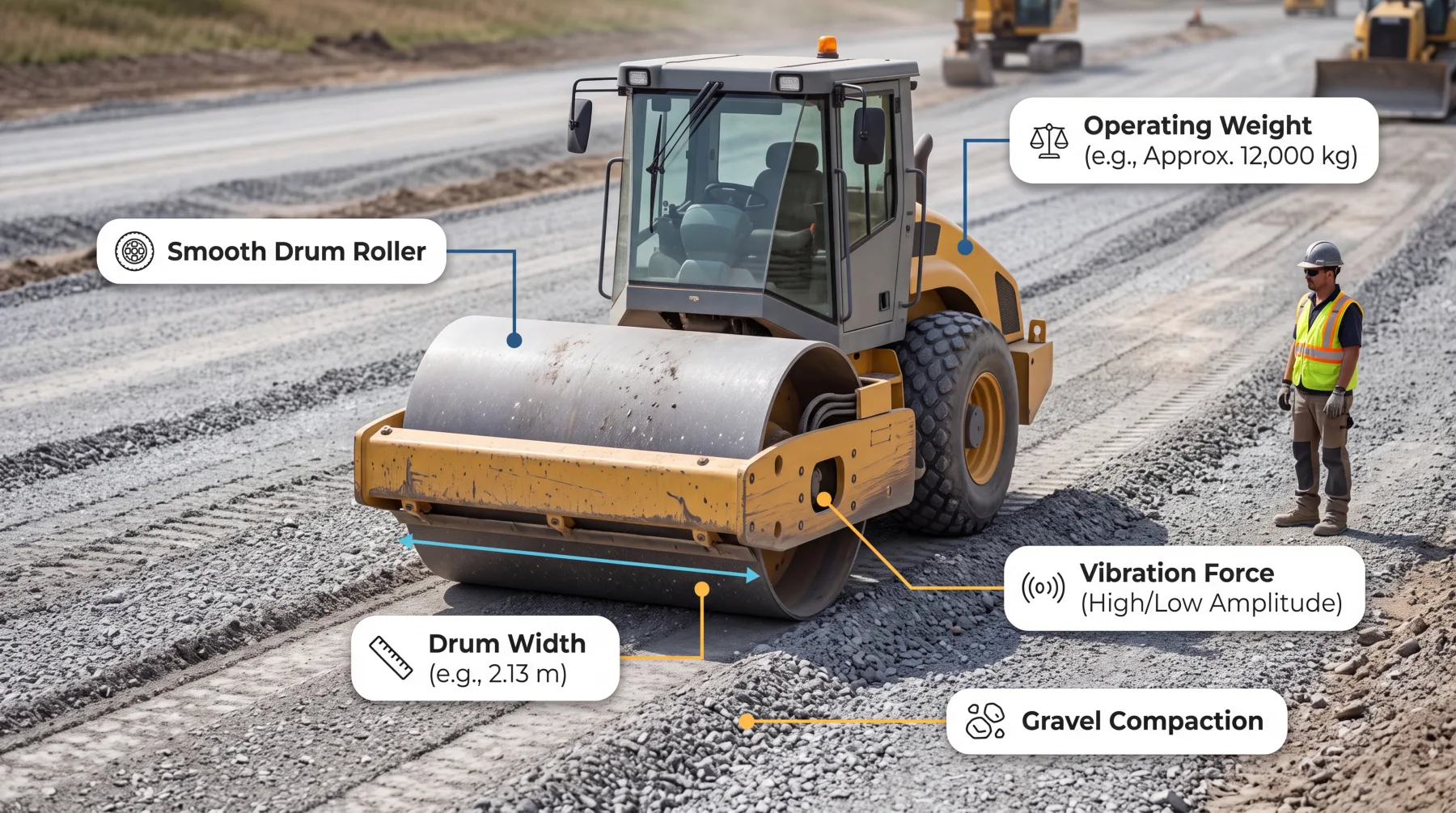
Selecting the right roller for gravel work depends on matching the machine's characteristics to your material and road conditions. Roller type is the first decision. Smooth drum rollers are the most common choice for gravel, pressing the surface flat and driving particles together, while some operators use padfoot or combination rollers for deeper compaction of thick base layers. For most gravel surfacing and maintenance work, a smooth drum vibratory roller delivers the results you need, combining static weight with vibration to compact effectively.
Operating weight and drum size shape how well a roller performs on your particular road. A heavier machine applies more static force, which helps consolidate thicker layers and denser material, though an overly heavy roller can prove hard to transport and unnecessary for lighter maintenance work. Drum width should suit the width of your road, giving you even coverage without wasted passes or awkward maneuvering near edges. Matching these specifications to the scale of your work keeps compaction efficient and results consistent.
Vibration force is the factor that often determines success on gravel. Consider how these characteristics affect your results:
- Roller type, with smooth drum vibratory rollers suiting most gravel road work.
- Operating weight, providing the static force needed to consolidate your material.
- Drum size, matched to road width for even, efficient coverage.
- Vibration force, tuned to the gravel type and layer thickness for proper density.
The right combination depends on your specific conditions. A crew handling thick base layers and dense aggregate benefits from a heavier machine with strong vibration force, while lighter maintenance on established roads calls for a more moderate setup. Coarse, thick gravel demands more compaction energy than a thin surface layer, so tuning weight and vibration to the material in front of you is essential. When you match roller type, weight, drum size, and vibration to your gravel and road conditions, you achieve thorough, reliable compaction without over- or under-working the surface.
Benefits of Using a Vibratory Roller on Gravel Surfaces
Vibratory rollers have become the standard for gravel compaction because vibration does something static weight alone cannot. As the drum vibrates, it sends rapid pulses through the gravel, momentarily reducing the friction between particles so they can shift, settle, and lock tightly together. This action reaches deeper into the material than pressure alone, consolidating the full layer rather than just the surface. The result is a denser, more stable road built to handle traffic and weather far better than a poorly compacted one.
Settling loose gravel is where vibration proves its worth most clearly. Freshly spread gravel is full of air gaps and loose stones that shift under the first vehicles to pass over it, leading to washboarding, ruts, and scattered material along the edges. Vibration collapses those gaps and drives the particles into close contact, dramatically reducing the shifting that plagues uncompacted roads. A vibratory roller leaves behind a surface that stays put, giving drivers a smoother, safer ride and sparing you the repeated regrading that loose gravel demands.
The advantages of using a vibratory roller on gravel add up quickly:
- Deeper compaction, consolidating the full gravel layer rather than only the top.
- Reduced shifting, keeping stones locked in place under traffic.
- A smoother surface, improving ride quality and reducing washboarding.
- Fewer maintenance issues, lowering the frequency of regrading and repairs.
Beyond the immediate results, this thorough compaction pays off over the long term. A road compacted with a vibratory roller resists the erosion, potholes, and deformation that force costly repairs, which means your maintenance dollars stretch further and your roads stay serviceable longer. For anyone building or maintaining gravel roads, the vibratory roller offers a dependable way to achieve the density and stability that define a quality surface. It is the tool that turns loose gravel into a road built to last.
Best Practices for Gravel Road Rolling
Good compaction results come from sound technique as much as the right machine, and a few proven practices make a significant difference. Preparation comes first. Before rolling, spread and grade the gravel evenly to the desired thickness and profile, since a roller compacts whatever shape you give it. Rolling an uneven surface simply locks in the irregularities, so taking time to grade the material properly, with the right crown for drainage, sets the foundation for a smooth, durable road.
Moisture level is one of the most overlooked keys to effective compaction. Gravel compacts best when it holds the right amount of moisture, because water helps the particles slide into place and bind together. Material that is too dry resists compaction and stays loose, while gravel that is too wet becomes unstable and fails to hold density. Aim for a moisture level that is damp but not saturated, adding water if the material is dry, and you will achieve far better results with fewer passes.
Roller operation ties everything together. Follow these techniques for effective gravel compaction:
- Prepare and grade the surface evenly to the correct thickness and crown before rolling.
- Maintain the right moisture level, keeping the gravel damp but not saturated.
- Control roller speed, moving slowly and steadily so each pass works the full layer.
- Make enough passes, compacting until the surface reaches the density it needs.
Speed and pass count deserve particular attention. Moving too fast leaves gaps and uneven density, so a slow, steady pace lets the roller and its vibration do their job thoroughly. Overlapping each pass slightly ensures complete coverage, and making the right number of passes, guided by the material and layer thickness, brings the road to full density rather than compacting only the surface. When you prepare carefully, manage moisture, control your speed, and complete adequate passes, you produce the dense, smooth, long-lasting gravel road that quality work is aiming for.
Conclusion
A road roller is essential to building and maintaining gravel roads that hold up under traffic and weather. Proper compaction transforms loose gravel into a dense, stable surface with the strength, water resistance, and durability that a quality road requires. Reach for a roller during new construction, repairs, resurfacing, and maintenance after adding fresh gravel, and choose a machine whose type, weight, drum size, and vibration force match your material and conditions. A vibratory roller offers the deep, thorough compaction that settles loose gravel and reduces long-term maintenance, while sound techniques like careful grading, correct moisture, controlled speed, and adequate passes ensure the best possible results. Understand when and why to use a road roller, operate it with care, and you will build gravel roads that stay strong, smooth, and dependable for years to come.
Need Equipment Help?
Turn the article into a buying decision with product guidance, attachment fit checks, and quote support.