How to Choose a Mini Excavator for Real Work
How to Choose a Mini Excavator for Real Work

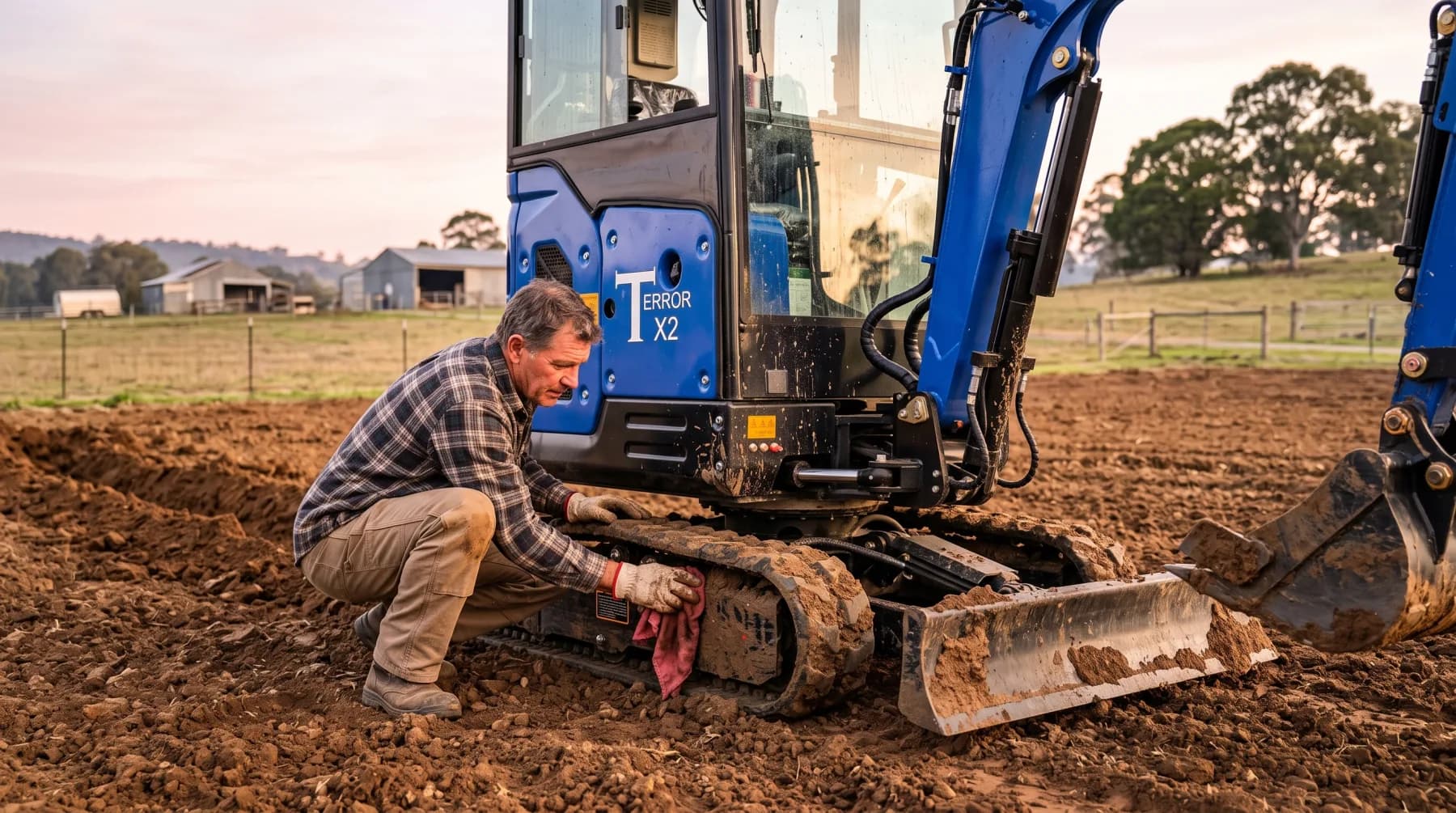
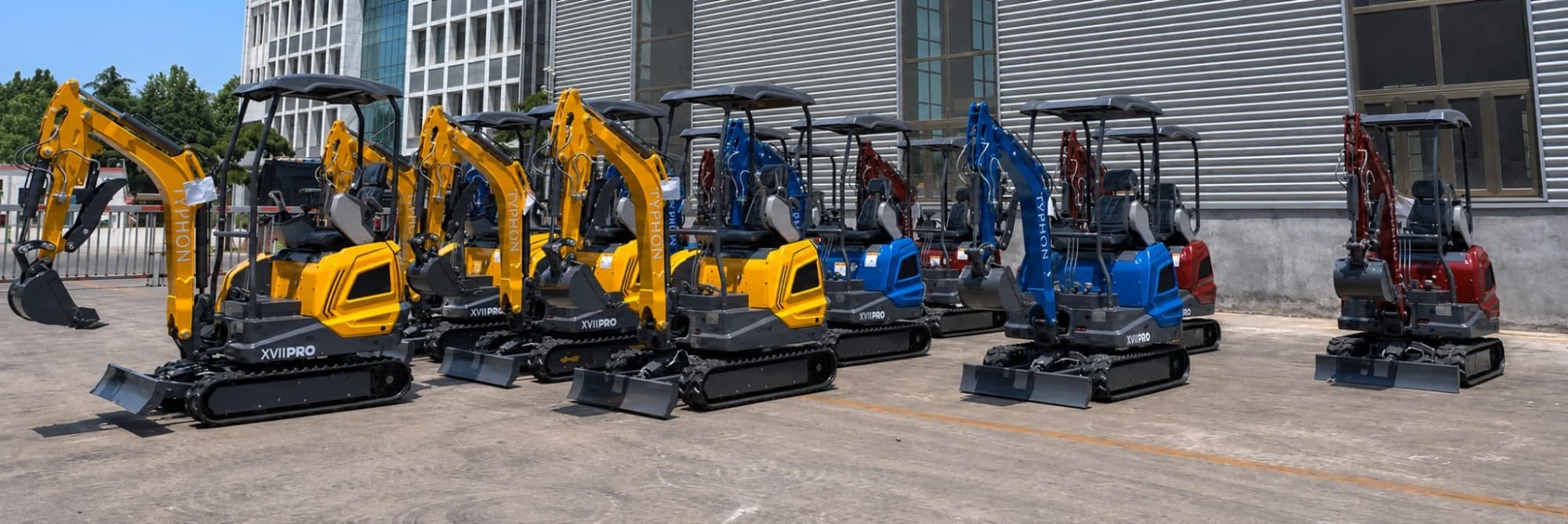
Choosing a mini excavator for real work is not only about buying a compact machine that looks strong. A mini excavator may look small and simple, but when it is used on a real jobsite, many details become important. The right machine must match your work, your ground condition, your digging depth, your transportation setup, your attachment needs, and your daily workload.
Mini excavators are popular because they are compact, flexible, and useful for many jobs. They can work in places where larger machines cannot easily enter, such as residential yards, farms, landscaping areas, orchards, narrow driveways, small construction sites, and utility work zones. However, not every mini excavator is built for the same level of work. Some machines are designed for light-duty use, while others are made for serious daily operation.
This guide explains the most important things to check before choosing a mini excavator for real jobsite performance.
Understand the Type of Work You Need
The first step in choosing a mini excavator is understanding the type of work you need to do. Different jobs require different levels of power, size, stability, and hydraulic performance.
A mini excavator can be used for landscaping, trenching, drainage work, farm maintenance, small construction, utility installation, grading, backfilling, demolition cleanup, fence post preparation, and general property work. However, a machine that works well for garden projects may not be strong enough for daily contractor use.
For light landscaping, a smaller machine may be enough. These machines are easier to move and can fit into tighter areas. They are useful for small digging jobs, garden preparation, and residential property maintenance. But if you plan to dig deeper trenches, move heavier soil, work in harder ground, or use attachments, you will need a stronger and more stable machine.
Real work requires consistency. A mini excavator should not only perform well for a few minutes. It should be able to work through long sessions, handle repeated digging, and operate smoothly under pressure. Before comparing models, think carefully about your most common jobs. The best machine is the one that matches your real workload.
Choose the Right Operating Weight
Operating weight is one of the most important specifications when choosing a mini excavator. It affects stability, digging performance, transportation, and how confident the machine feels during operation.
A lighter mini excavator is easier to transport and better for narrow access areas. It can fit through smaller spaces and may be easier to load on a trailer. This makes it useful for homeowners, landscapers, and property owners who need a compact machine for smaller jobs.
However, a lighter machine may not always feel stable during harder digging. When the boom is extended or the bucket is full, a very light machine may move more or feel less balanced. For tougher soil, deeper digging, or attachment work, a heavier mini excavator usually provides better control and stability.
A heavier machine can often dig more confidently, handle larger buckets, and work better on demanding jobs. But it also requires a stronger trailer and towing vehicle. Before choosing a machine, check the operating weight and make sure your transport setup can handle it safely.
The best operating weight depends on your work. If your projects are mostly small residential jobs, a compact machine may be enough. If your projects involve daily digging, trenching, and heavier material, choose a machine with more weight and stability.
Check the Digging Depth
Digging depth is another important factor when choosing a mini excavator. The machine must be able to reach the depth required for your common jobs. If the machine cannot dig deep enough, the operator may need to reposition often, dig from different angles, or spend more time finishing the job.
A good mini excavator should reach the required depth smoothly and safely. It should not feel weak when the arm is extended. The boom, arm, and bucket should work together with enough power to dig and pull material efficiently.
Do not only look at the maximum digging depth on paper. Also think about ground conditions. Soft soil is easier to dig than clay, gravel, roots, or compacted ground. If you often work in tough soil, you need a machine with enough digging force and hydraulic strength, not only good reach.
Look at Engine Quality
The engine is the heart of the mini excavator. A reliable engine helps the machine perform consistently during real work. When checking a machine, look at the engine brand, horsepower, fuel type, maintenance access, fuel efficiency, and parts availability.
Diesel engines are common in work-focused mini excavators because they provide strong torque and good fuel efficiency. They are often preferred for trenching, digging, grading, and long work sessions. Gas engines can also be useful for smaller machines and lighter-duty applications, but diesel engines are usually better for serious daily work.
Horsepower is important, but it is not the only thing that matters. A machine with high horsepower does not always perform better if the hydraulic system is weak or the machine is too light. Real performance comes from the combination of engine power, hydraulic power, machine weight, and build quality.
A reliable engine also reduces downtime. If the mini excavator is used for business, downtime can cost money. A dependable engine helps keep the machine ready when work needs to be done.
Understand Hydraulic Performance
Hydraulic performance is one of the biggest things that separates a light-duty machine from a real work machine. The hydraulic system controls the boom, arm, bucket, blade, swing, travel, and attachments. If the hydraulics are weak, the machine may feel slow and limited.
For real work, you should check hydraulic flow, hydraulic pressure, auxiliary hydraulic lines, hydraulic oil capacity, and hydraulic cooling. These details affect how smoothly the machine operates and how well it can power attachments.
Auxiliary hydraulics are important if you plan to use tools like a hydraulic thumb, auger, breaker, rake, grapple, or other attachments. These tools need hydraulic power to work properly. If the machine does not have enough flow or pressure, the attachment may feel slow or weak.
A hydraulic oil cooler is also useful for longer work sessions. When a machine works hard, hydraulic oil can become hot. A cooler helps manage temperature and protect the hydraulic system. This is especially important for daily use, hot weather, or heavy attachment work.
Smooth hydraulic control is also important. The machine should not feel jerky or hard to control. Smooth controls help the operator dig accurately, grade better, and work longer with less fatigue.
Check Digging Force
Digging force tells you how strong the machine is when cutting into soil and pulling material. This matters because real jobs are not always easy. You may need to dig through clay, roots, gravel, compacted soil, or mixed ground.

A machine with stronger digging force can break into the ground more effectively. It can fill the bucket faster and reduce the time needed to finish the job. A weak machine may look fine at first, but it can feel slow when the ground becomes hard.
When comparing machines, check both bucket digging force and arm digging force. Bucket digging force helps the bucket cut into the ground. Arm digging force helps the machine pull material toward itself. Together, these numbers show how capable the excavator is during real digging.
Digging force should also match the machine size. A small machine cannot perform like a large excavator, but it should still have enough power for the jobs it is designed to do.
Choose the Right Bucket
The bucket is one of the most important working tools on a mini excavator. The right bucket can make work faster, cleaner, and easier. The wrong bucket can slow down the machine or make the job harder.
A narrow bucket is good for trenching, drainage, utility lines, and precise digging. It removes less soil but creates a cleaner trench. A wider bucket is better for grading, cleanup, and moving loose material. It can carry more soil, but it may require more power.
A tooth bucket is useful for harder ground because the teeth help break the surface. A smooth bucket is better for finishing, grading, and cleaning flat areas.
Before buying a mini excavator, check what bucket comes with the machine and what bucket options are available. A machine that supports different bucket sizes gives you more flexibility. For real work, the right bucket can improve productivity and reduce unnecessary effort.
Main blog title
Start with a short introduction that explains the topic, the reader's problem, and what they will learn.
Quick Answer
Write the main recommendation in one clear paragraph.
Key Details
Main Point One
Explain the first important idea with practical details.
Main Point Two
Explain the second important idea with examples, specs, or buyer guidance.
Field Note
Add a short note, warning, or pro tip that helps the reader make a better decision.
Final Recommendation
Close with the best next step, product fit, or support action.
Think About Attachments
Common mini excavator attachments include hydraulic thumbs, augers, breakers, grading buckets, trenching buckets, rakes, rippers, grapples, and quick couplers.
A hydraulic thumb is useful for grabbing rocks, logs, branches, debris, and demolition material. An auger is useful for drilling holes for fence posts, trees, and farm projects. A breaker can help with concrete or rock. A grading bucket helps smooth and shape the ground.
Before buying, think about what attachments you need now and what you may need later. Then check if the machine supports those attachments. Look at hydraulic flow, pressure, coupler compatibility, and machine weight. A machine with good attachment support can grow with your work and give you more value.
Consider Machine Width and Jobsite Access
Mini excavators are useful because they can work in tight spaces. But not all machines have the same width. Before choosing a machine, measure the areas where it will work.
Check gate openings, narrow driveways, side yards, orchard rows, storage areas, and trailer width. A machine that is too wide may not reach the jobsite, even if it has enough power.
A narrow machine is better for residential access and tight work areas. A wider machine may provide better stability and comfort. The right choice depends on where you will use the machine most often.
The goal is to choose a machine that can enter the work area and still perform safely and efficiently.
Check Track Type and Stability
Most mini excavators use rubber tracks. Rubber tracks are popular because they provide good grip and reduce damage to surfaces like concrete, asphalt, grass, and finished landscaping areas.
Track width affects stability. Wider tracks can improve balance and reduce ground pressure, especially on soft or uneven ground. Narrower tracks help the machine fit into tighter spaces.
Stability is very important for real work. When digging, lifting, or using attachments, the machine should feel controlled. A stable machine helps the operator work confidently and safely.
Before buying, check the track condition, track width, and undercarriage design. Also think about the ground where you usually work. Mud, gravel, clay, grass, and concrete all affect machine performance.
Look at the Dozer Blade
The dozer blade is more useful than many buyers realize. It helps with backfilling, grading, leveling, cleanup, and machine stability.
When digging, the blade can be lowered to help stabilize the machine. When finishing a trench, the blade can push soil back into place. For landscaping, it can help level small areas and clean up loose material.
A strong dozer blade adds more value to the mini excavator because it allows the machine to do more than just dig. Before buying, check the blade size, strength, and control.
Think About Operator Comfort
Operator comfort matters, especially if the machine will be used for long hours. A comfortable operator can work longer, control the machine better, and finish jobs more accurately.
Check the seat, armrests, legroom, visibility, control layout, and ease of entry. The operator should be able to sit comfortably and reach the controls without strain.
Visibility is also important. The operator needs to see the bucket, blade, tracks, and surrounding work area. Good visibility helps improve safety and accuracy.
If the operator feels cramped or uncomfortable, productivity can drop. For real work, comfort is not just a luxury. It affects job quality and efficiency.
Choose Between Canopy and Cab
Mini excavators are commonly available with an open canopy or enclosed cab. Each option has advantages.
A canopy version is simple, open, and easy to enter. It is good for outdoor work in mild weather. It usually gives good visibility and is often more affordable.
A cab version provides more protection from heat, cold, wind, dust, and rain. Some cab models include air conditioning or heating, which improves comfort during long work sessions. A cab is often better for daily professional use or changing weather conditions.
The best choice depends on your work environment. If you work occasionally in good weather, a canopy may be enough. If you work daily or in harsh conditions, a cab may be worth the extra investment.

Check Maintenance Access
A mini excavator used for real work must be easy to maintain. Maintenance protects the engine, hydraulics, tracks, pins, bushings, filters, and other important parts.
Before buying, check how easy it is to access the engine, hydraulic oil tank, fuel tank, filters, battery, grease points, hoses, and inspection areas. If service access is difficult, simple maintenance can become frustrating.
Good maintenance access saves time and helps prevent bigger problems. Regular maintenance also helps the machine last longer and perform better.
Parts availability is also important. If replacement parts are hard to find, downtime can become a serious problem. For business owners, downtime can mean lost income.
Compare Real Value, Not Just Price
Price is important, but the cheapest machine is not always the best choice. A low-price machine that cannot handle real work may cost more over time because of downtime, repairs, weak performance, or limited support.
When comparing value, look at the full package. Consider engine quality, hydraulic performance, digging depth, digging force, bucket options, attachment support, operator comfort, maintenance access, parts availability, warranty, and seller support.
A good mini excavator should help you complete jobs faster and reduce manual labor. It should feel reliable, useful, and strong enough for your workload.
For real work, value is more important than the lowest price.
Inspect the Machine Before Buying
Whenever possible, inspect the machine before buying. Look at the frame, welds, hydraulic hoses, bucket pins, tracks, blade, seat, controls, and engine area.
Start the machine if possible. Test the boom, arm, bucket, swing, blade, and travel functions. The movement should feel smooth and controlled. Look for leaks, loose parts, unusual noises, or poor finishing.
If buying online, ask for clear photos, videos, specifications, and support details. A reliable seller should be able to provide information and answer your questions clearly.
Choose a Seller With Support
After-sale support is very important when buying a mini excavator. A machine is a serious investment, not a one-time purchase. You may need help with parts, attachments, delivery, maintenance, operation, or warranty questions.
Choose a seller that understands equipment and can support you after the sale. Good support makes ownership easier and helps reduce downtime.
A reliable seller should provide clear product details, honest specifications, helpful communication, and practical guidance. This is especially important for first-time buyers.
Final Thoughts
Choosing a mini excavator for real work requires more than looking at machine size or price. You need to understand your job, your ground conditions, your transport needs, and your long-term expectations.
The best mini excavator should be compact enough to access your jobsite, strong enough to handle your workload, stable enough for safe operation, and reliable enough for regular use. It should have the right digging depth, hydraulic power, engine quality, bucket options, attachment support, and maintenance access.
Before buying, ask yourself what kind of work you will do most often. Think about how deep you need to dig, what attachments you may use, how you will transport the machine, and whether the seller can support you after the sale.
A mini excavator is a powerful tool when chosen correctly. It can save time, reduce labor, and help complete jobs that would be difficult by hand. For landscaping, construction, farm work, trenching, drainage, and property maintenance, the right machine can make a major difference.
For real work, do not choose only the cheapest option. Choose the machine that gives you confidence, performance, and long-term value.
Need Equipment Help?
Turn the article into a buying decision with product guidance, attachment fit checks, and quote support.