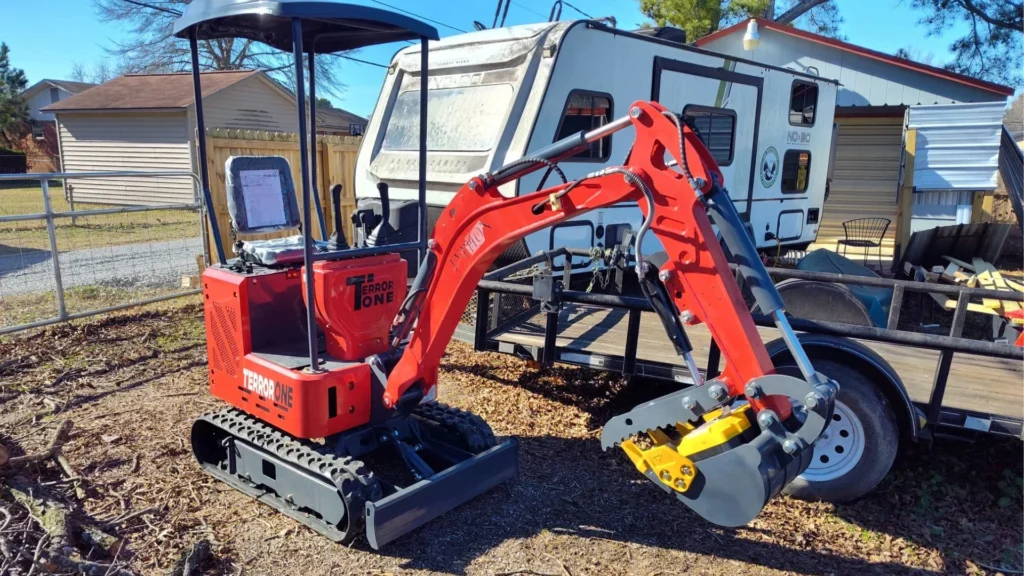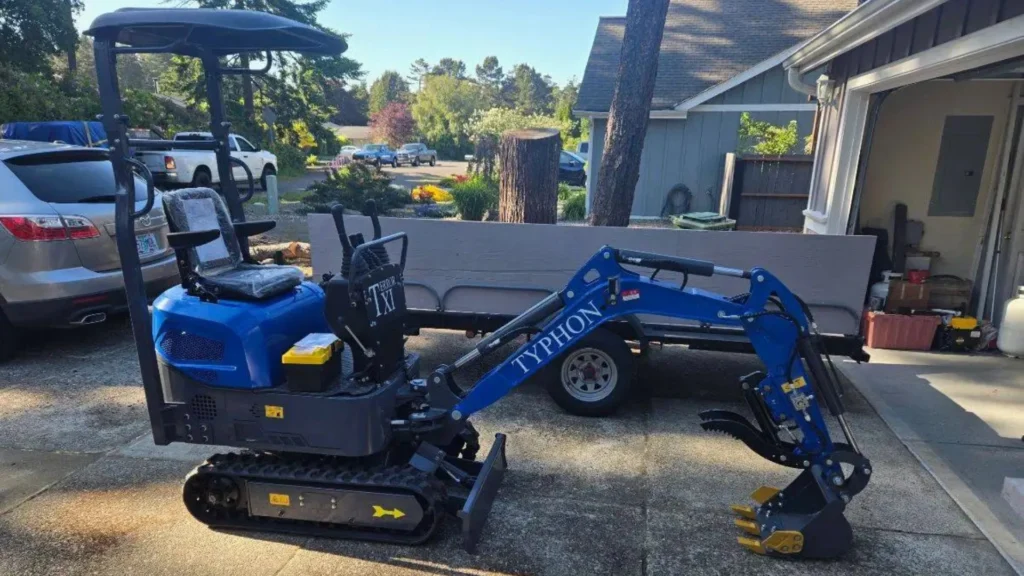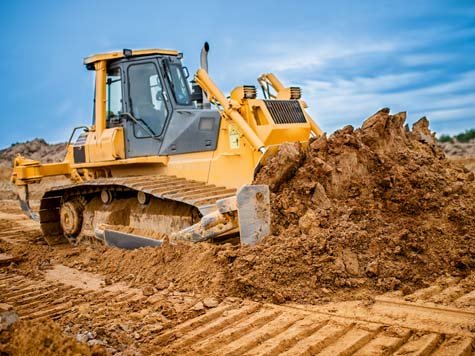

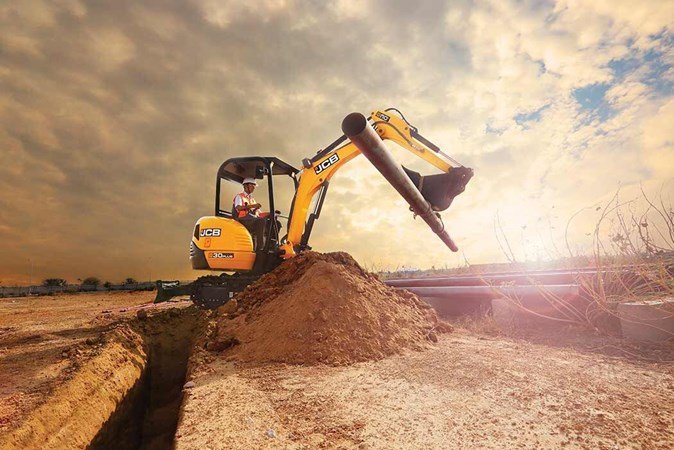
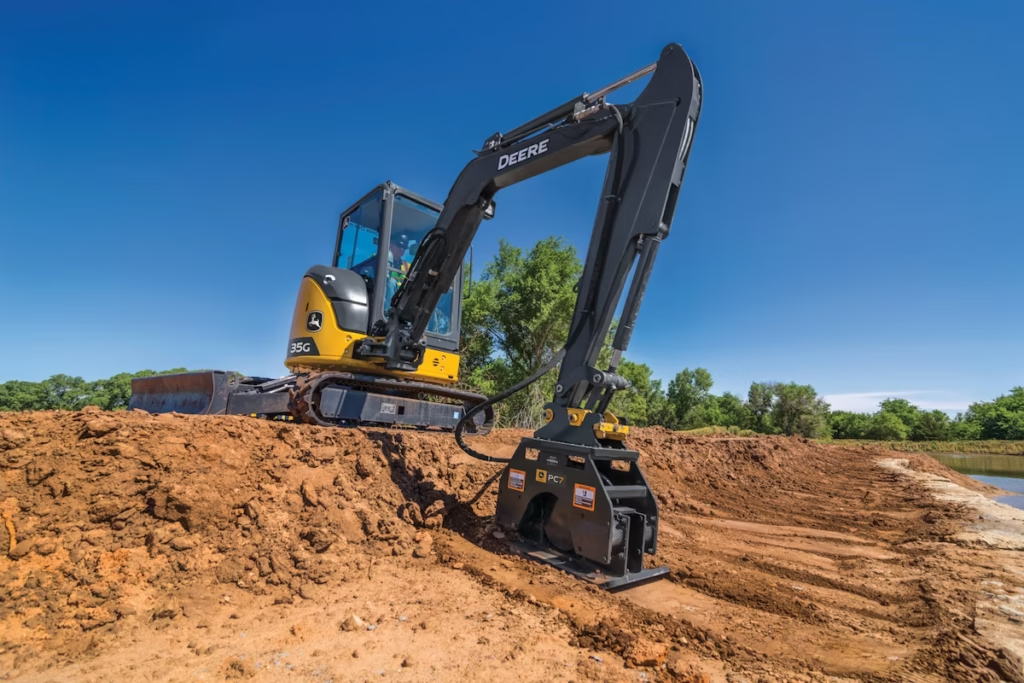
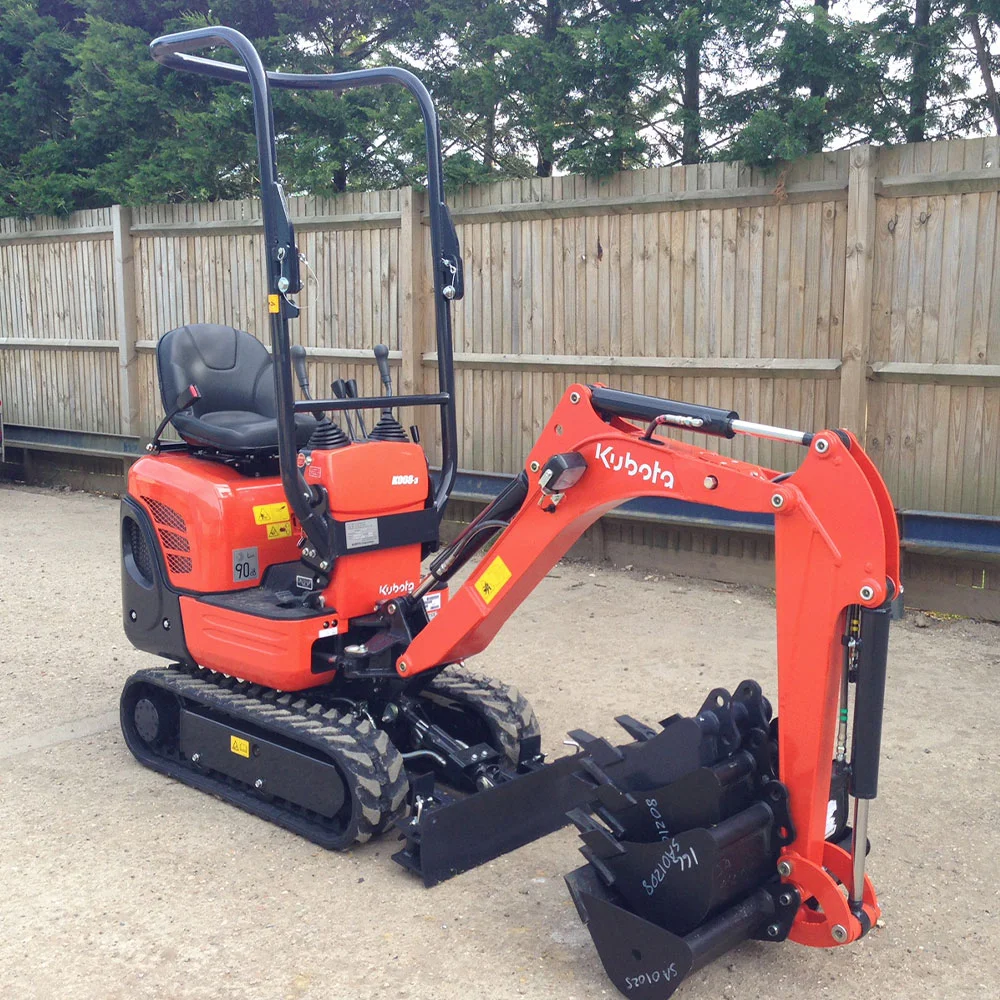
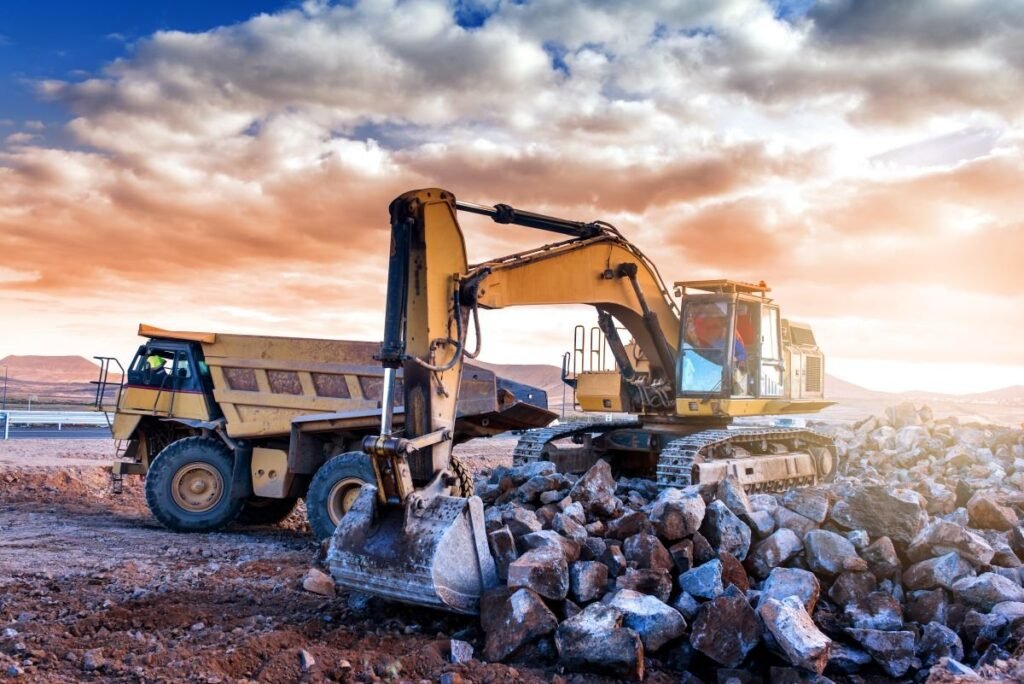
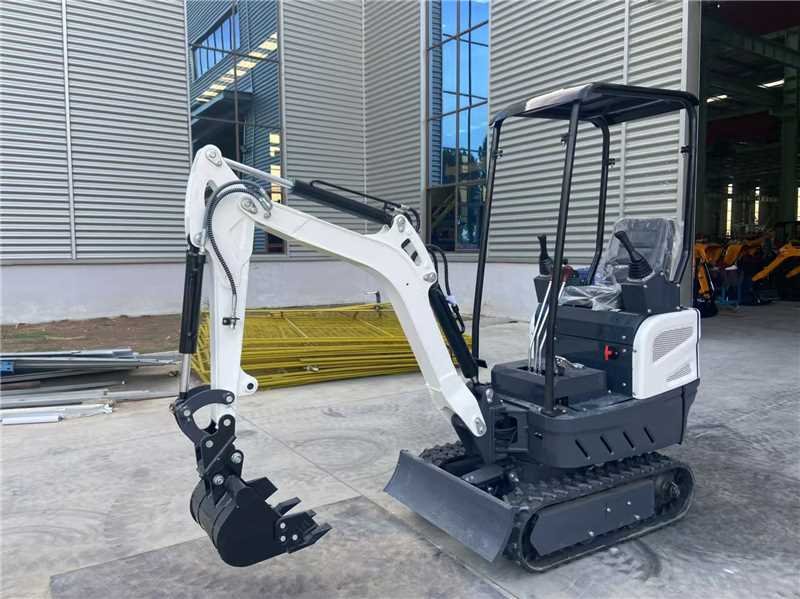


















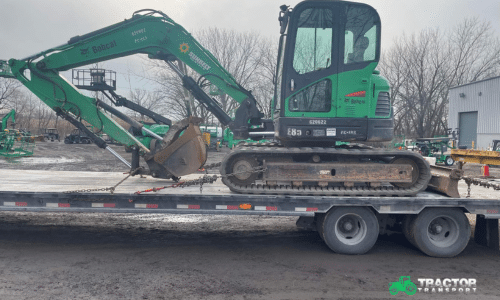



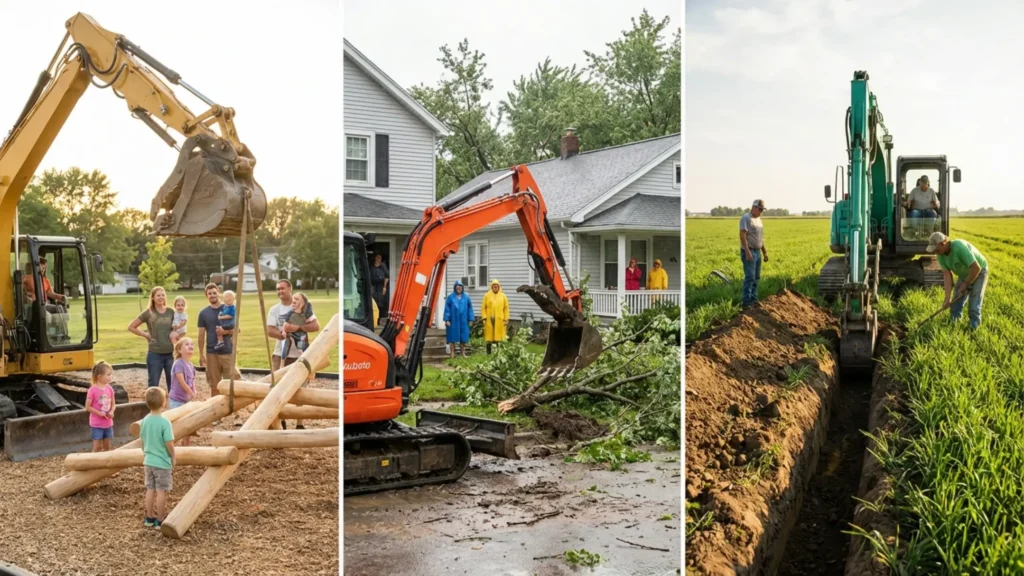
When most people hear the word excavator, they immediately imagine a large machine digging deep holes on a construction site. It is a fair image — excavators are famous for heavy digging work. But in reality, their role goes far beyond that.
Excavators quietly help shape many parts of everyday life. From improving neighborhoods to supporting farms, fixing roads, clearing storm damage, and building safer spaces, these machines are involved in more places than most people realize.
Excavators are often used in landscaping and public space improvements. They help level land, remove old materials, prepare areas for playgrounds, and shape ponds, gardens, and walking paths.
The next time you visit a clean public park or enjoy a newly upgraded outdoor area, there is a good chance an excavator helped make it possible.
Excavators do more than support road construction. They also play an important part in maintenance and repair. They are used to clear drainage systems, remove broken pavement, prepare roadside areas, and assist with underground utility access.
This work helps reduce flooding, improve traffic flow, and keep roads safer for daily travel.
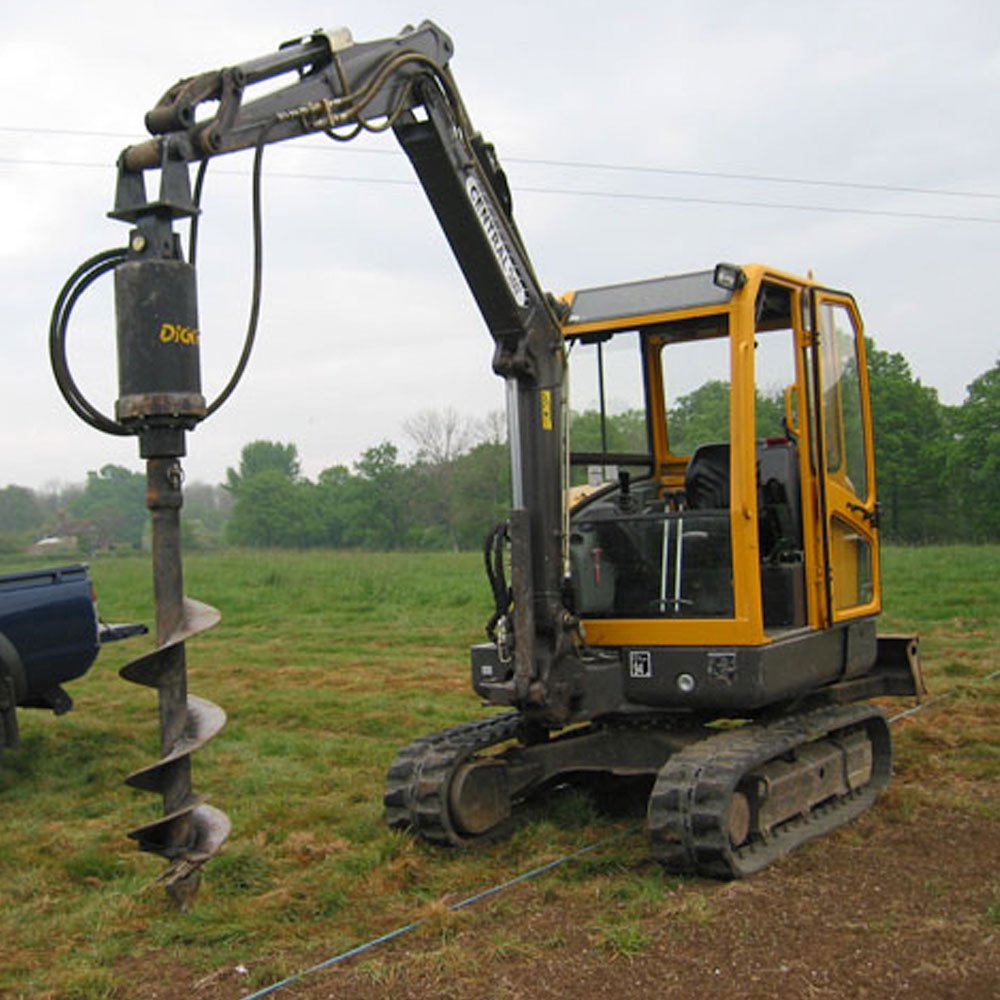
In agriculture, excavators are useful for tasks like digging irrigation channels, clearing land, removing stumps, and preparing areas for better water flow. For farmers, this means faster land preparation and more efficient use of resources.
Instead of only being seen as construction machines, excavators can also be viewed as practical tools that help food production and rural development.
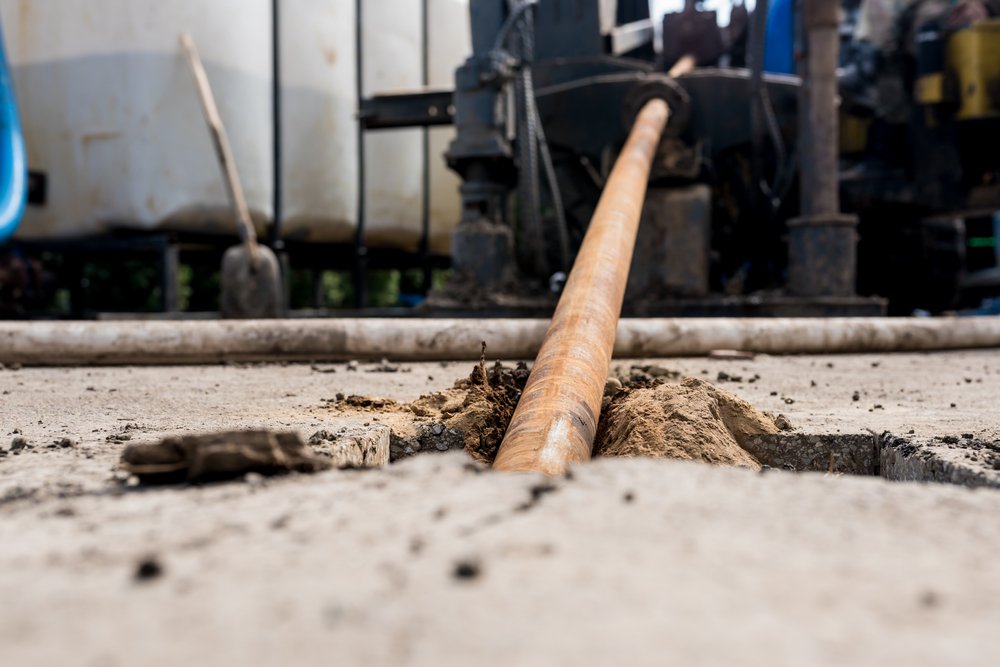
When water pipes, drainage lines, or underground cables need repair, excavators are often part of the solution. Their precision and power allow workers to access buried systems faster and more safely than manual labor alone.
In many cases, they help restore essential services to homes and businesses with less delay.
After heavy rain, floods, or strong winds, excavators are often used to remove fallen trees, clear debris, and restore damaged areas. Their ability to lift, move, and clear heavy material makes them valuable during recovery efforts.
This is one of the most unexpected but important ways excavators support communities in everyday life.
Excavators are not only for huge building projects. They are also useful in smaller demolition jobs, such as removing old walls, breaking concrete, or clearing structures before renovation begins.
This makes them an important part of urban renewal, property upgrades, and safer rebuilding.
Excavators are powerful, flexible, and surprisingly connected to daily life. They help build parks, maintain roads, support agriculture, fix utilities, and clean up after emergencies. Their value is not limited to digging — they help create cleaner, safer, and more functional spaces for people every day.
So while they may look like machines built only for tough construction work, excavators are actually important partners in shaping the world around us.
If you want the blog to feel more engaging and less formal, use this version:
More Than Digging: Surprising Jobs Excavators Help With in Everyday Life
Most people see an excavator and think of one thing: digging holes on construction sites.
But that is only part of the story.
Excavators do much more than tear into the ground. In fact, they help improve many parts of everyday life — often in ways people never notice. Behind cleaner parks, safer roads, better drainage, farm improvements, and post-storm cleanup, there is often one hardworking machine doing the heavy lifting.
Excavators help shape the places people use every day. They prepare land for playgrounds, remove debris from damaged areas, and support neighborhood improvement projects. What looks like a simple patch of empty land today can quickly become a useful community space tomorrow with the help of an excavator.
When roads crack, drains clog, or underground pipes need repair, excavators step in. They help crews access difficult areas quickly and efficiently, reducing downtime and helping communities return to normal faster.
Excavators also work in more natural environments than most people expect. They help dig irrigation channels, clear unwanted tree roots, shape ponds, and prepare farmland. In these spaces, they are not just machines for building — they are tools for growth.
After storms and floods, excavators become recovery heroes. They clear mud, move fallen trees, and open blocked paths so cleanup can begin. In difficult moments, their strength helps communities rebuild faster.
Excavators may be famous for digging, but their true value is much bigger. They help build, repair, clear, shape, and restore. Whether in cities, farms, parks, or emergency zones, excavators prove that they are more than construction equipment — they are part of everyday progress.
 English