For growing contractors, landscapers, and property developers, expanding your fleet is a significant milestone. However, it often presents a familiar dilemma: when you have the capital to invest in your first dedicated piece of heavy earth-moving equipment, do you opt for a mini excavator or a skid steer?
Both machines are undeniably versatile, yet they possess distinct operational strengths that dictate their return on investment. If you are debating which machine will drive the most productivity for your specific job sites, understanding their core capabilities is essential.
The Case for the Mini Excavator: Precision and Reach
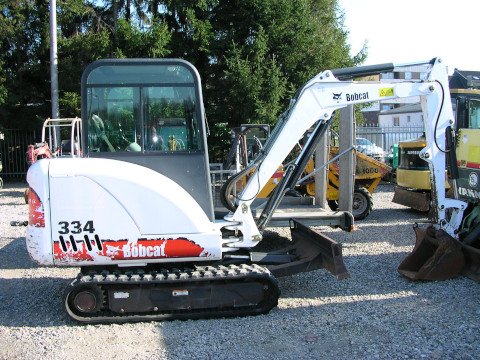
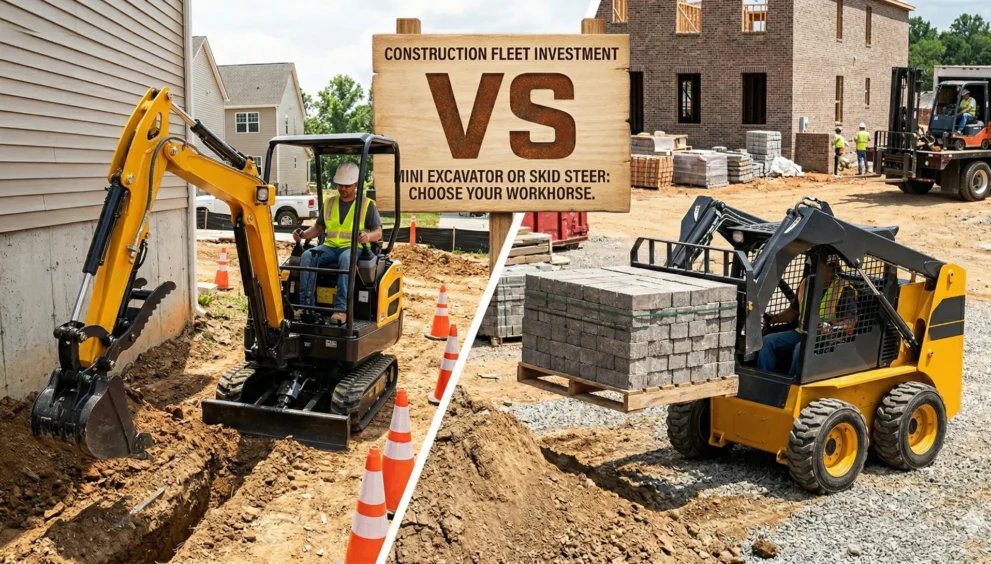
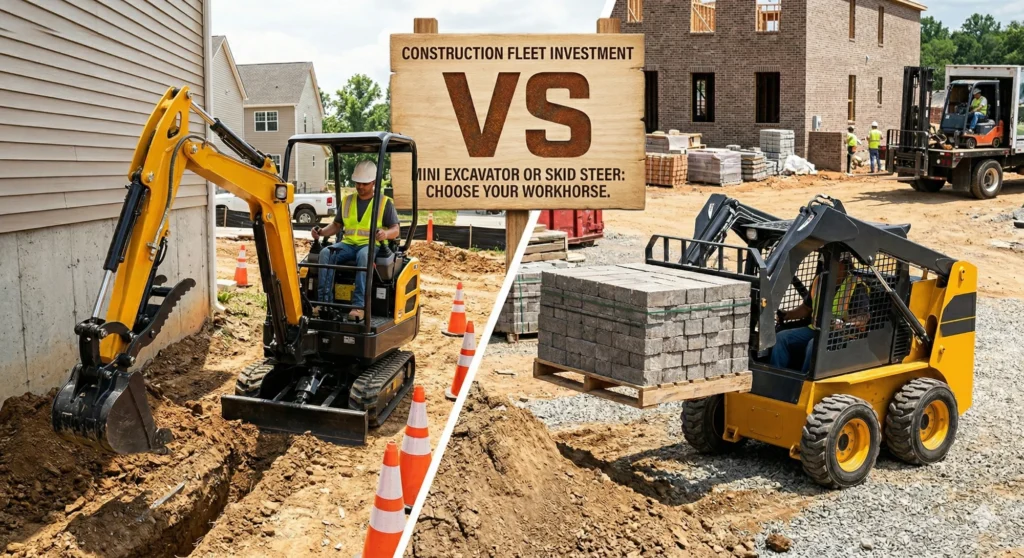
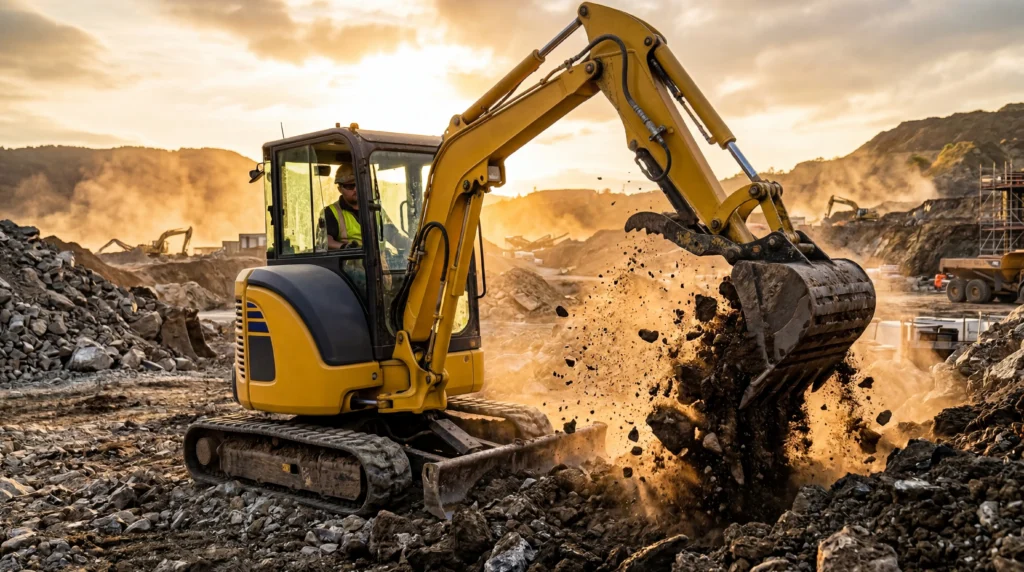
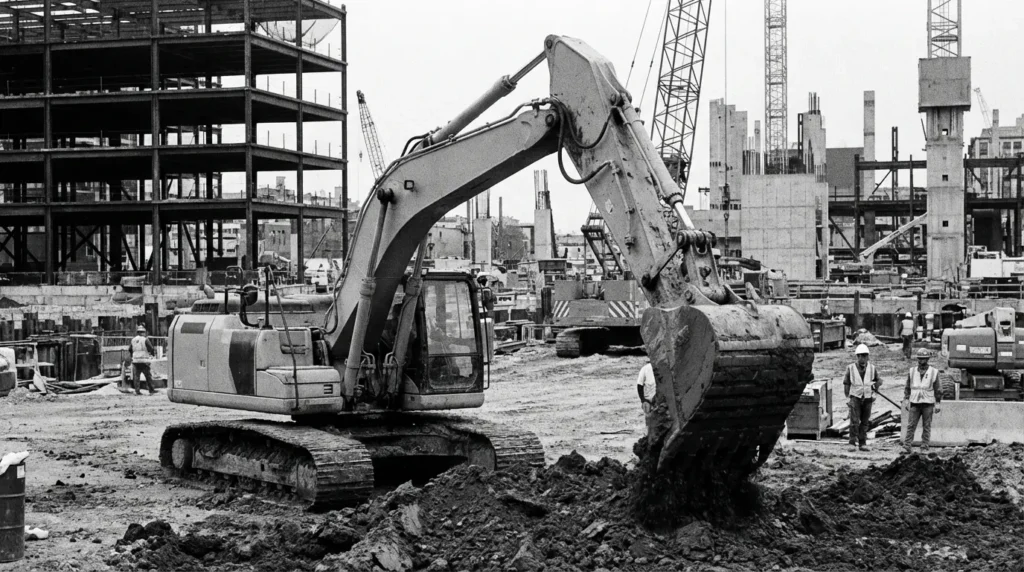
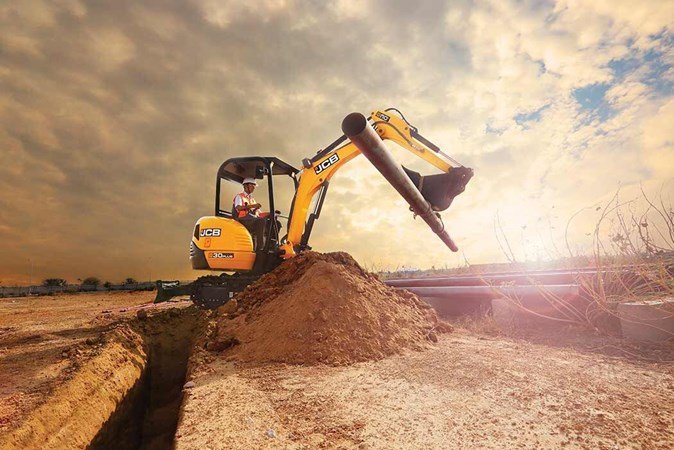
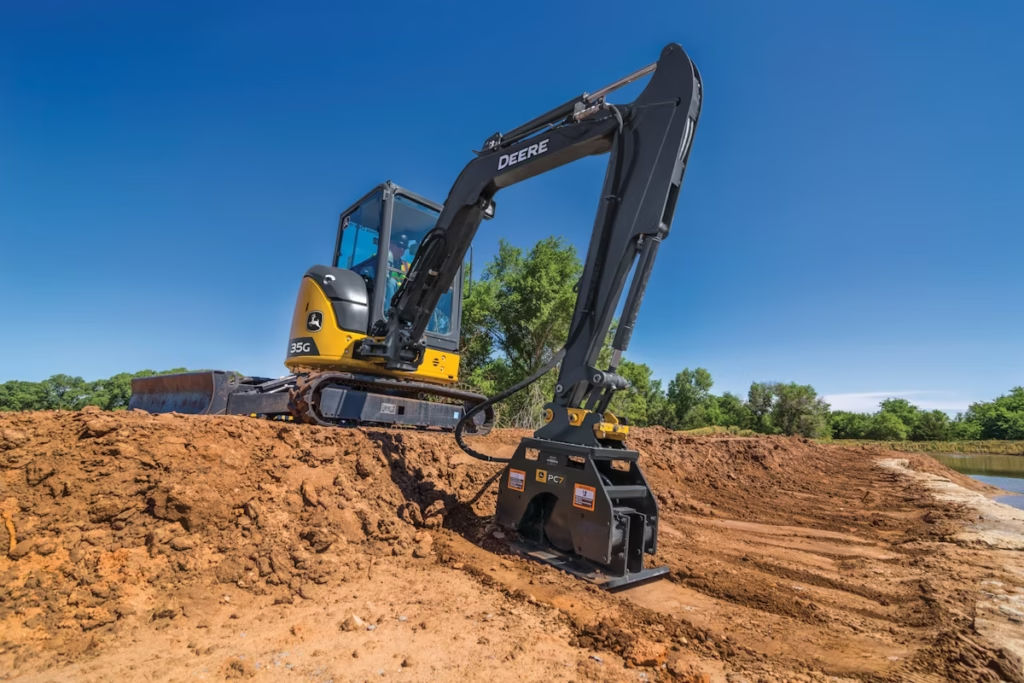
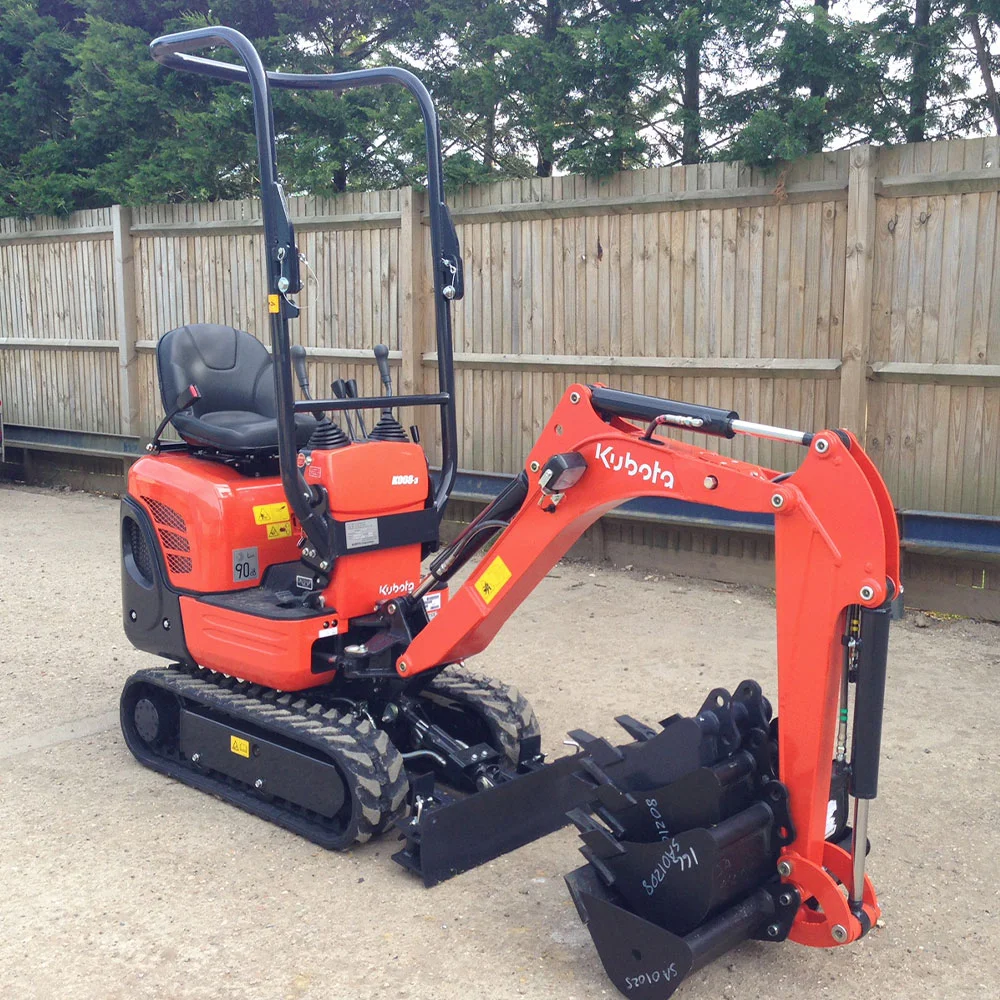
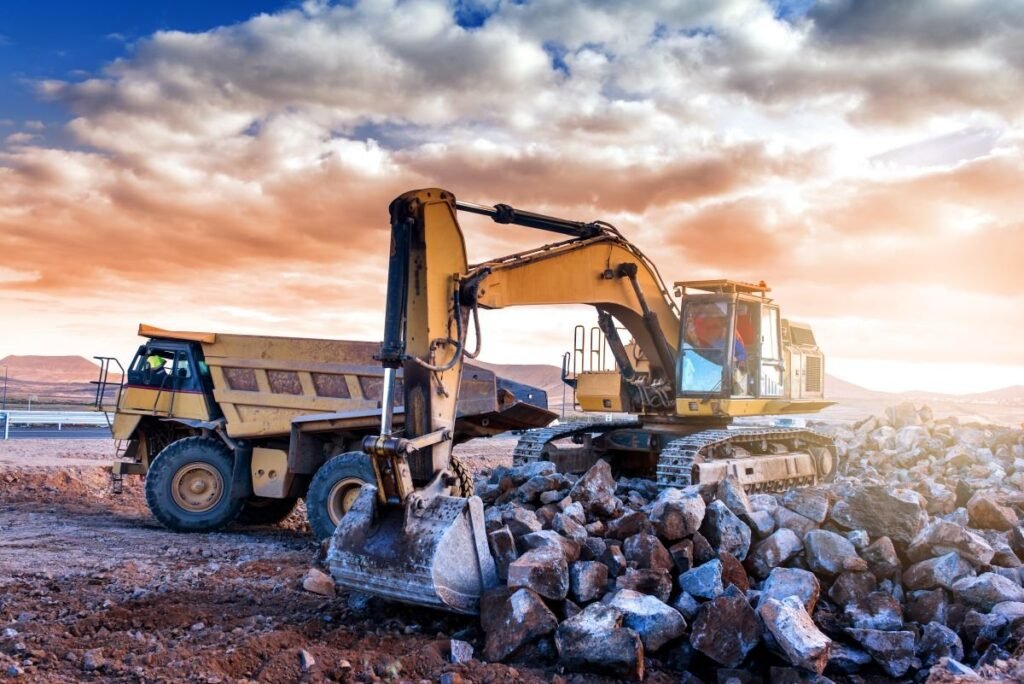
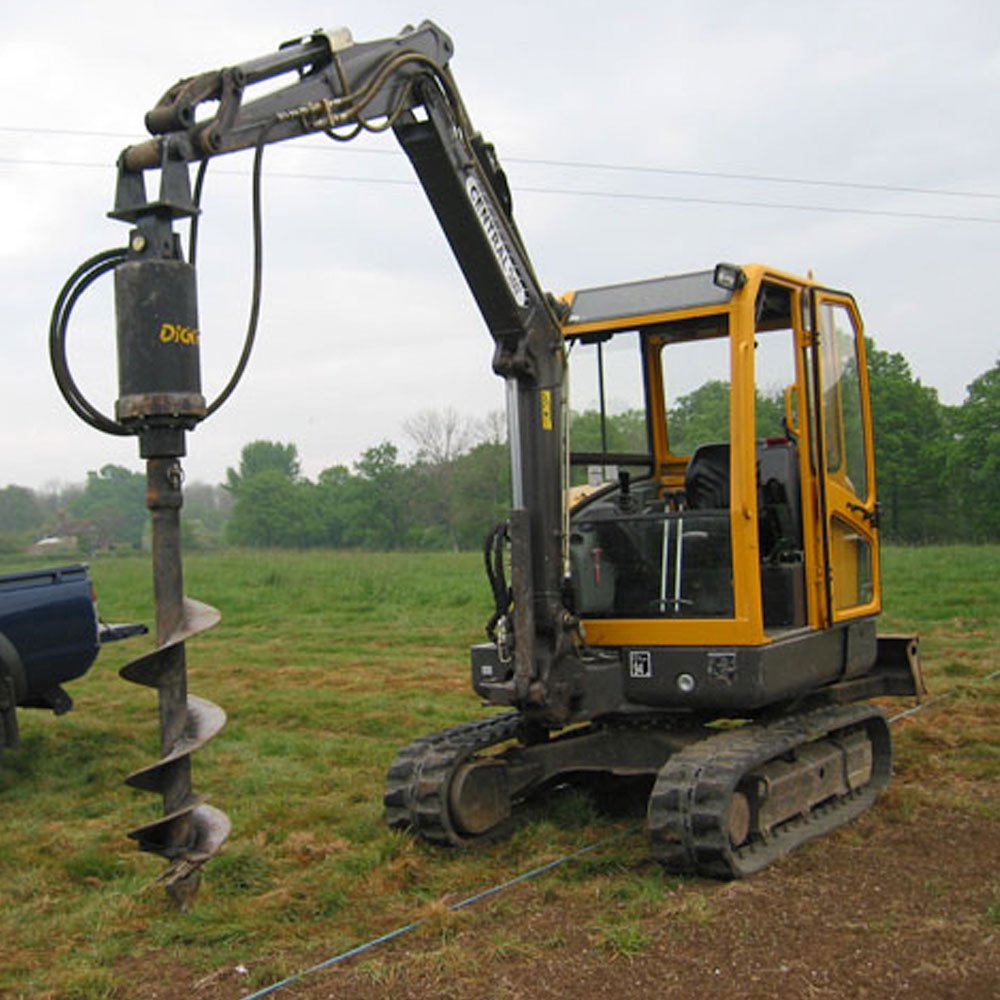
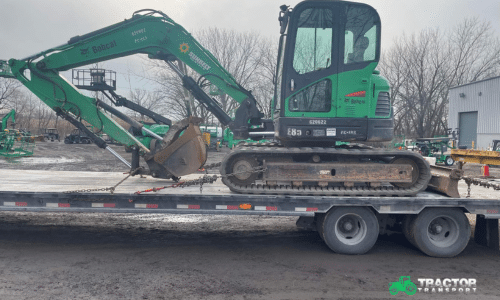
When your primary objective involves penetrating the earth, the mini excavator is the undisputed champion. Engineered with a 360-degree rotating house and an articulated boom, these machines excel at stationary digging.
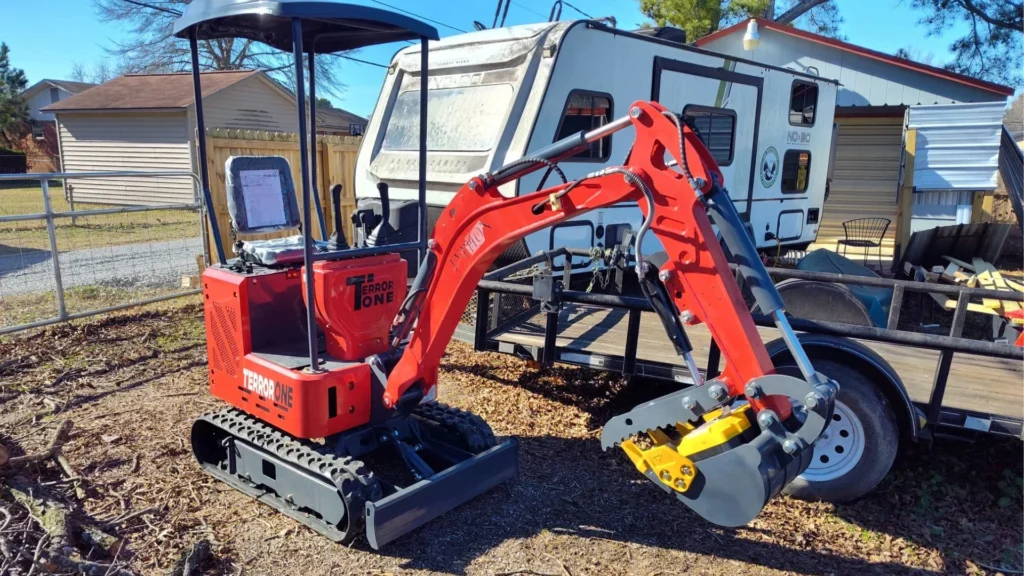
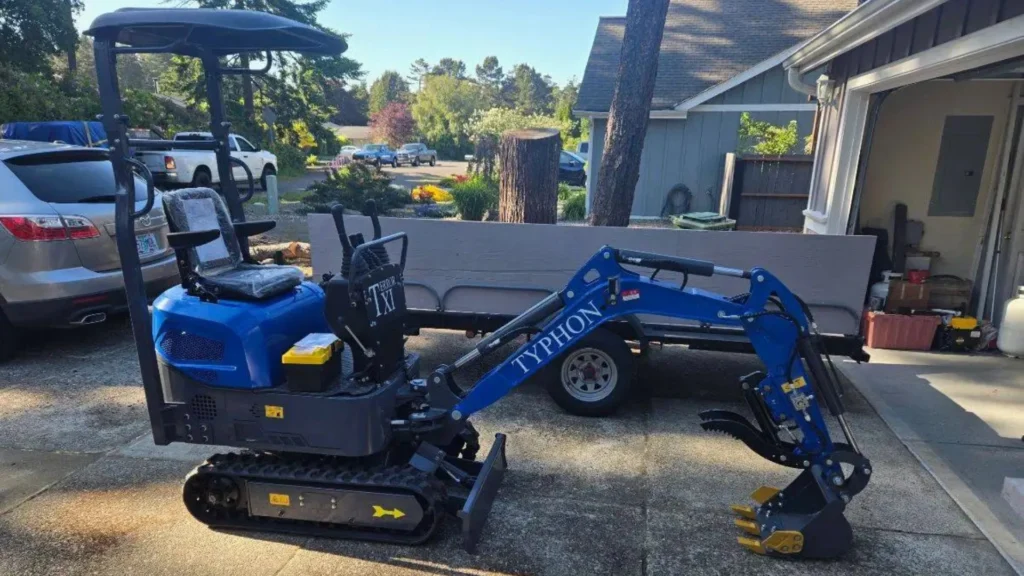
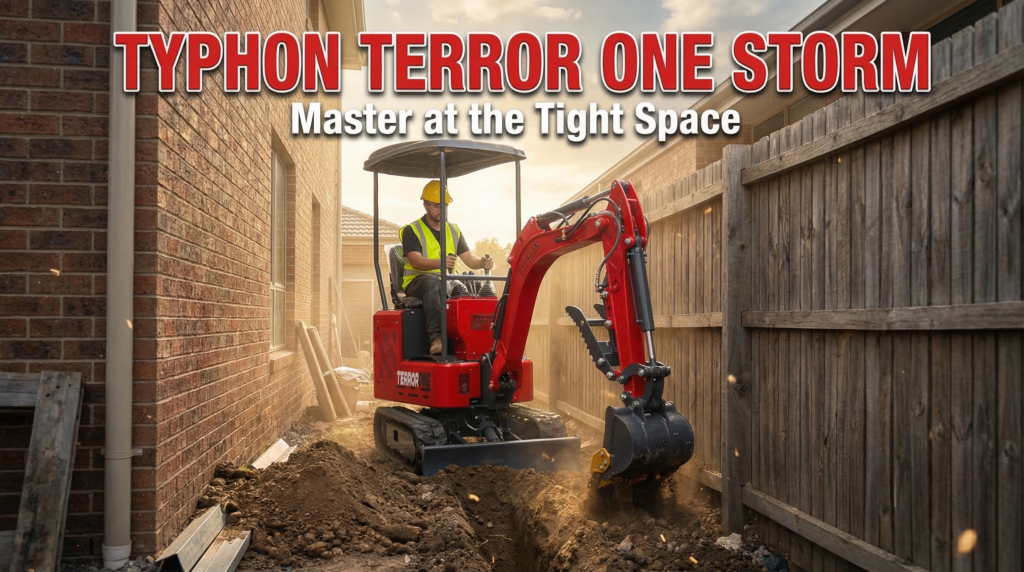
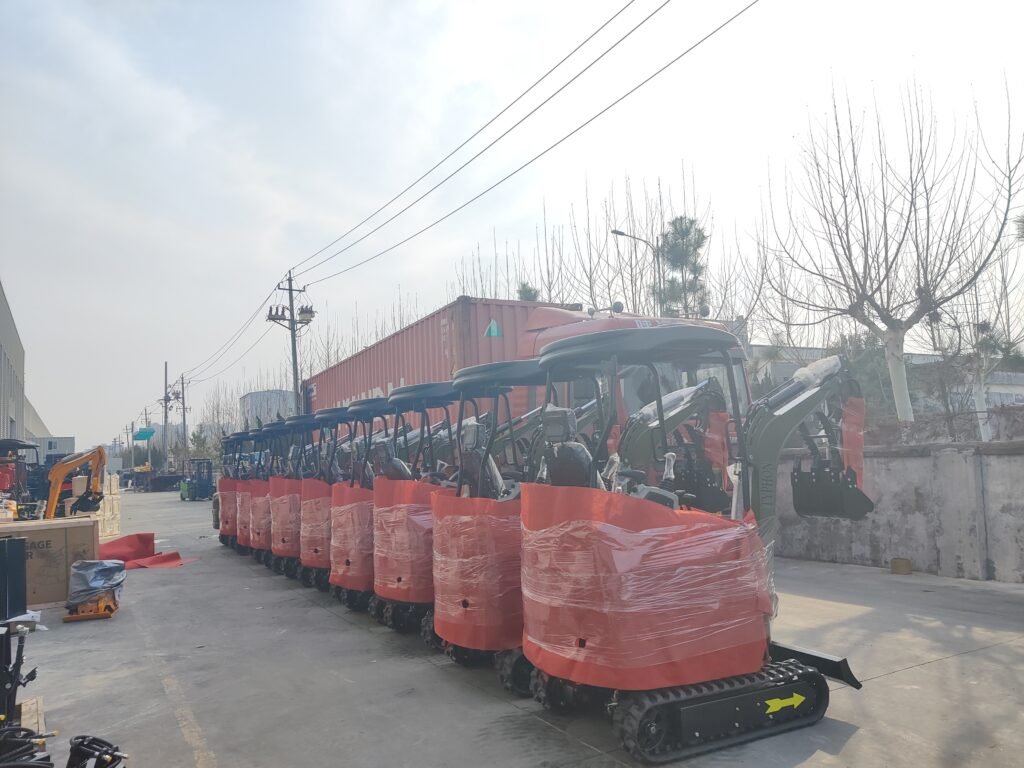
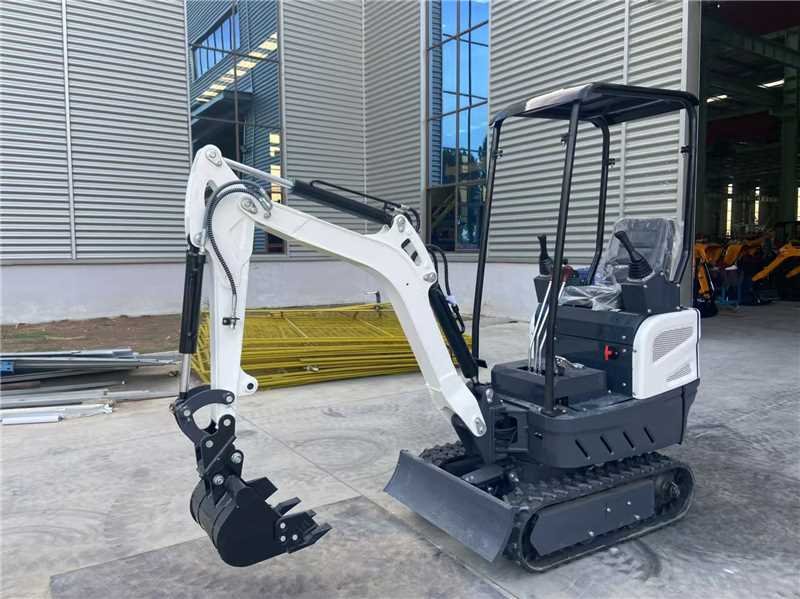
Whether you are trenching for utility conduits, excavating foundation footings, or removing stubborn stumps, a mini excavator provides unparalleled precision. The ability to offset the boom allows operators to dig parallel to foundations or fences without constantly repositioning the tracks. Furthermore, models like the TYPHON TERROR Tyrant 17 or the TYPHON FURY 20 are specifically designed to navigate through narrow residential gates and operate within highly confined footprints.
Core Strengths:
Deep trenching and precise grading below the track level.
Minimal ground disturbance due to distributed track weight.
Exceptional reach and dumping height for loading spoil into trucks.
360-degree swing radius for continuous operation from a single vantage point.
The Case for the Skid Steer: Power and Material Handling
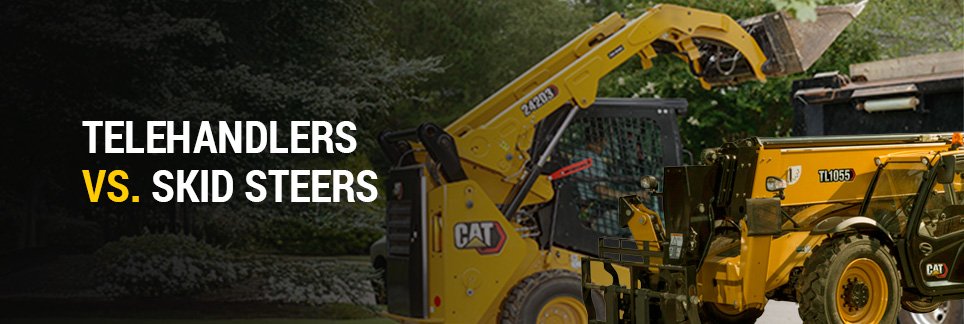
Conversely, the skid steer is the quintessential material mover. If an excavator is a scalpel, the skid steer is the workhorse. Designed for pushing, lifting, and carrying, these machines thrive in environments where large volumes of material need to be relocated quickly.
A skid steer, such as the TYPHON STOMP X1300, is built to tackle rigorous surface-level tasks. Its rigid frame and robust lift arms make it ideal for loading heavy pallets, transporting thousands of pounds of gravel, or executing sweeping grading maneuvers across expansive lots. Because they rely on wheels (or heavy-duty tracks in the case of compact track loaders) that skid to turn, they offer phenomenal maneuverability and speed across firm terrain.
Core Strengths:
Superior lifting capacity for heavy pallets and bulk materials (easily handling thousands of pounds).
Rapid travel speeds for shuttling dirt across expansive job sites.
Exceptional pushing power for backfilling and leveling terrain.
A highly universal quick-attach system for rapid implement changes.
Head-to-Head Jobsite Comparisons
1. Trenching and Digging If your workflow consists of 70% digging, the mini excavator is the mandatory choice. While you can attach a backhoe implement to a skid steer, it is cumbersome and lacks the ergonomic efficiency of a dedicated excavator. The TYPHON FURY and TERROR series allow operators to feather the controls for meticulous utility work that a skid steer simply cannot replicate.
2. Lifting and Loading If you frequently unload delivery trucks, move retaining wall blocks, or transport heavy debris, the skid steer takes the lead. A skid steer like the STOMP X1300 is engineered with a center of gravity that supports substantial lifting capacities in pounds, making it an indispensable asset for hardscaping and material logistics.
3. Footprint and Ground Impact Rubber-tracked mini excavators are gentle on existing turf, making them ideal for residential backyard renovations. Skid steers, particularly wheeled variants, can severely tear up soft soil or finished lawns due to their aggressive turning mechanics.
Maximizing ROI with Attachments
The true value of either machine lies in its auxiliary hydraulics. A mini excavator equipped with a hydraulic thumb, ripper tooth, or auger transforms into a comprehensive demolition and fencing tool. Meanwhile, a skid steer paired with grapple buckets, trenchers, or sweepers becomes a multifaceted site-prep powerhouse.
The Final Verdict
The decision ultimately hinges on your predominant operational workflow.
Invest in a mini excavator (like the TYPHON FURY 15 or TERROR XVIII) if your contracts revolve around plumbing, electrical trenching, pool installations, or working in highly restricted residential zones where precision is paramount.
Invest in a skid steer (like the TYPHON STOMP X1300) if your day-to-day operations demand moving massive quantities of earth, loading heavy materials, backfilling, and aggressive grading on commercial sites.
Many successful fleets eventually utilize both, creating a symbiotic workflow where the excavator extracts the material, and the skid steer efficiently hauls it away. By evaluating your immediate project pipeline, you can select the machine that will generate the most immediate profitability for your enterprise.
 English