 English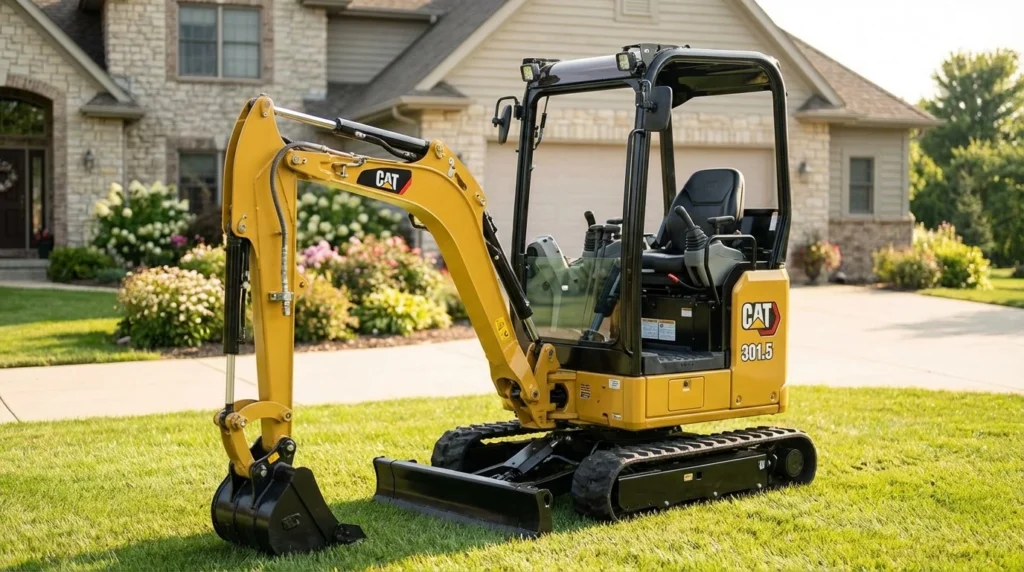


























Mini Excavator 101: Why These Tiny Diggers Are the Ultimate Tool for Modern Homeowners

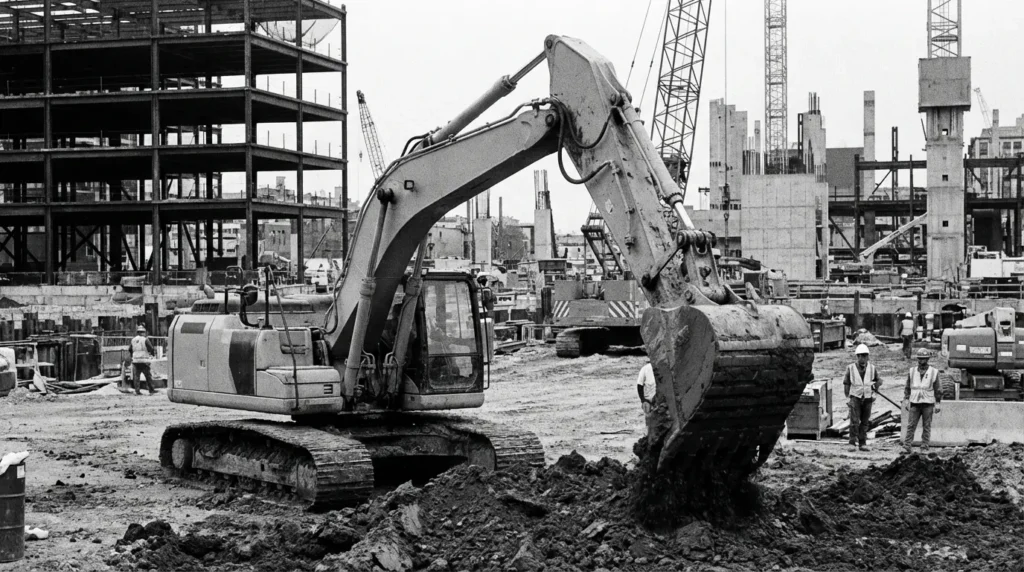
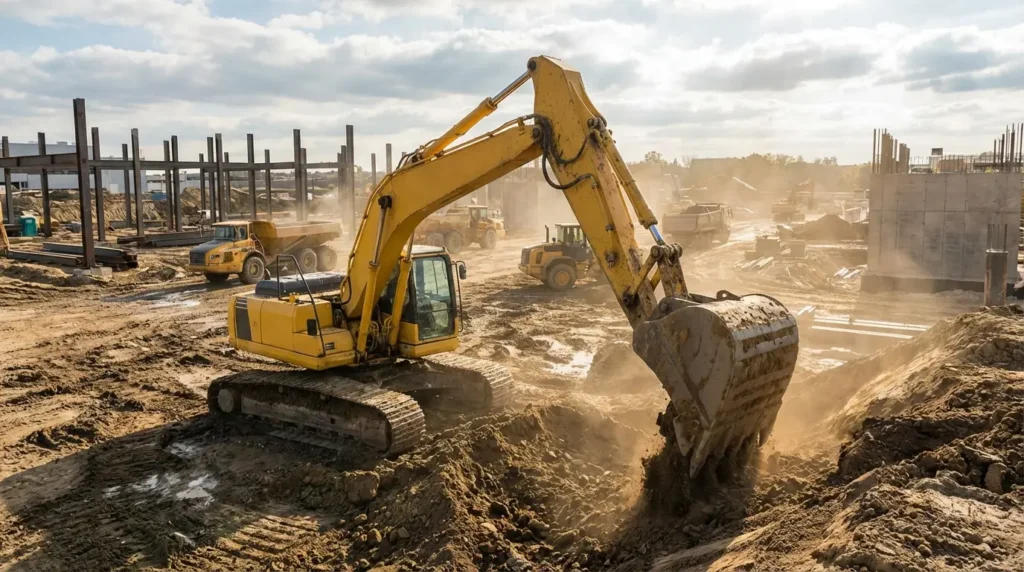
In the world of construction and landscaping, bigger has long been equated with better. For decades, the image of a massive yellow excavator chewing through earth was the standard for any serious digging job. But a quiet revolution has taken place—one that trades towering size for nimble precision. The mini excavator, a compact machine weighing anywhere from one to eight tons, has emerged as one of the most versatile and indispensable tools on the job site. More importantly, it has broken free from the exclusive domain of large-scale contractors and found a welcome home with small business owners, landscapers, and even ambitious homeowners. Whether you are planning a new pool, installing a septic system, or tackling a foundation repair, the mini excavator has become the ultimate tool for getting work done efficiently, safely, and with surprising ease.
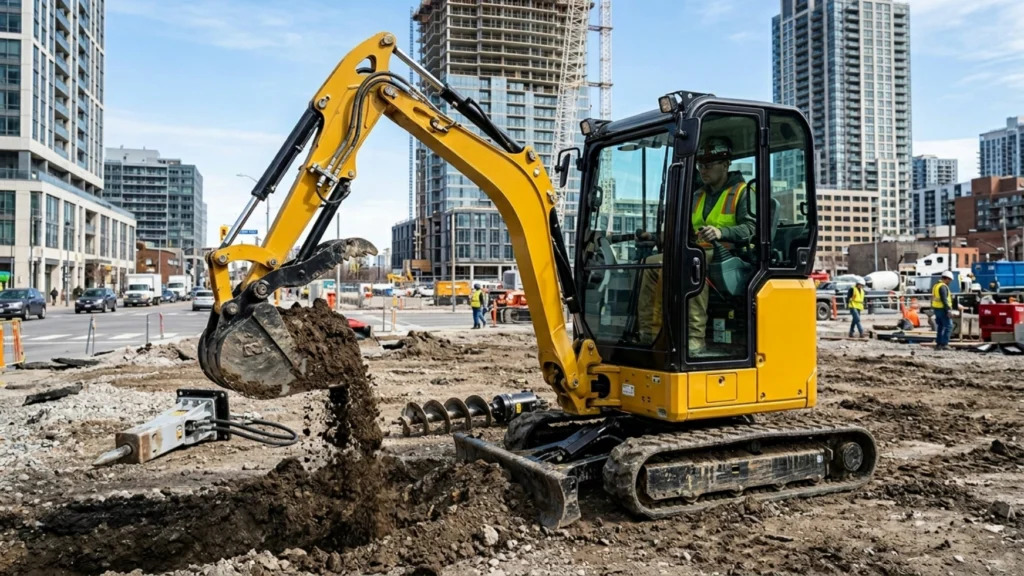
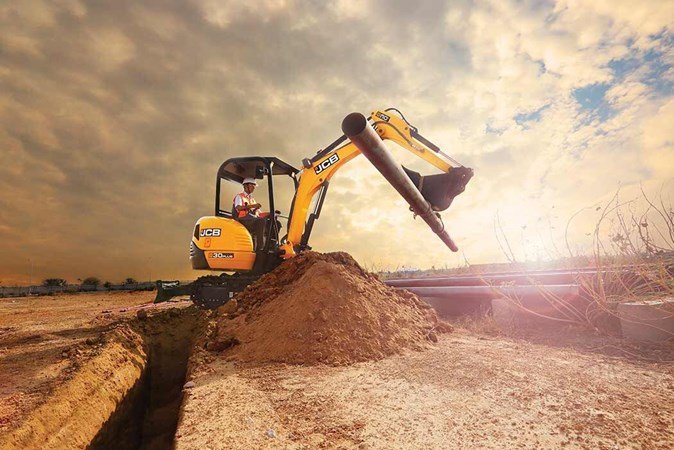
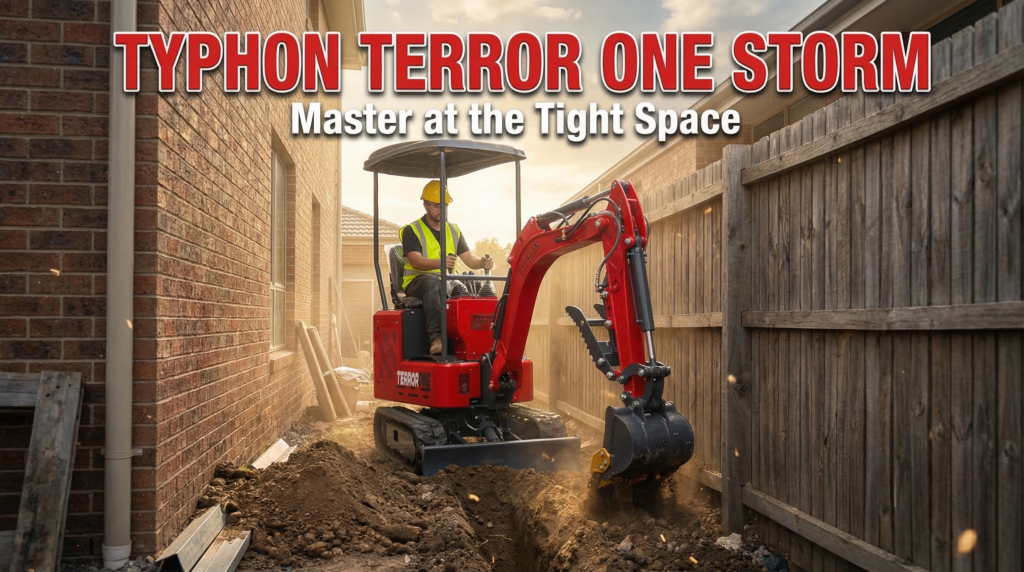
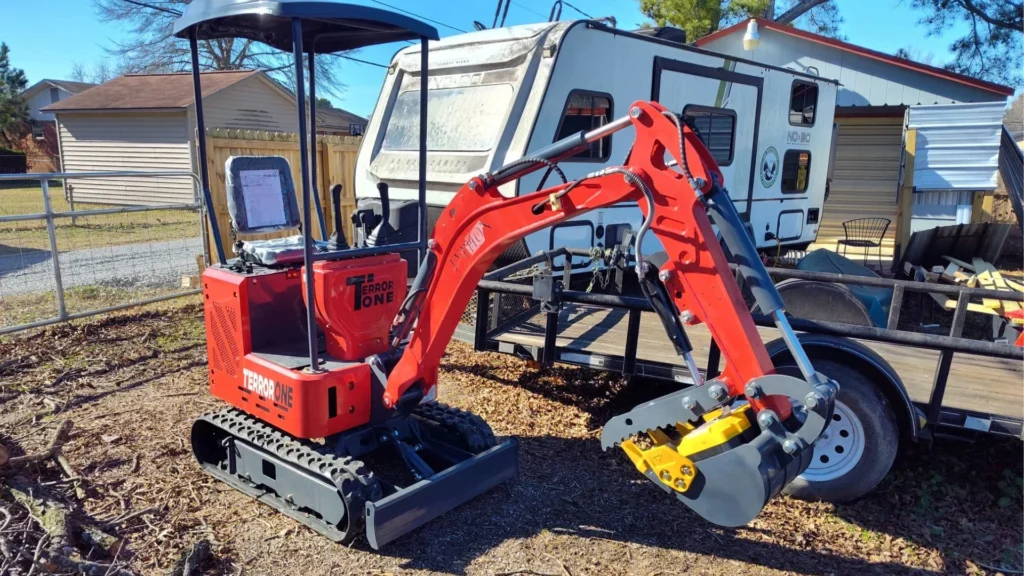
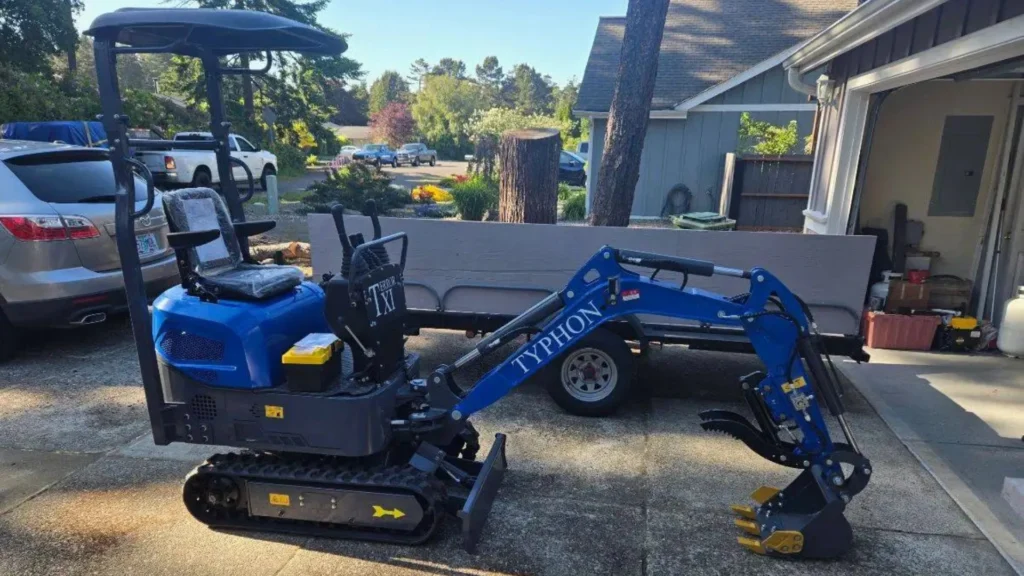
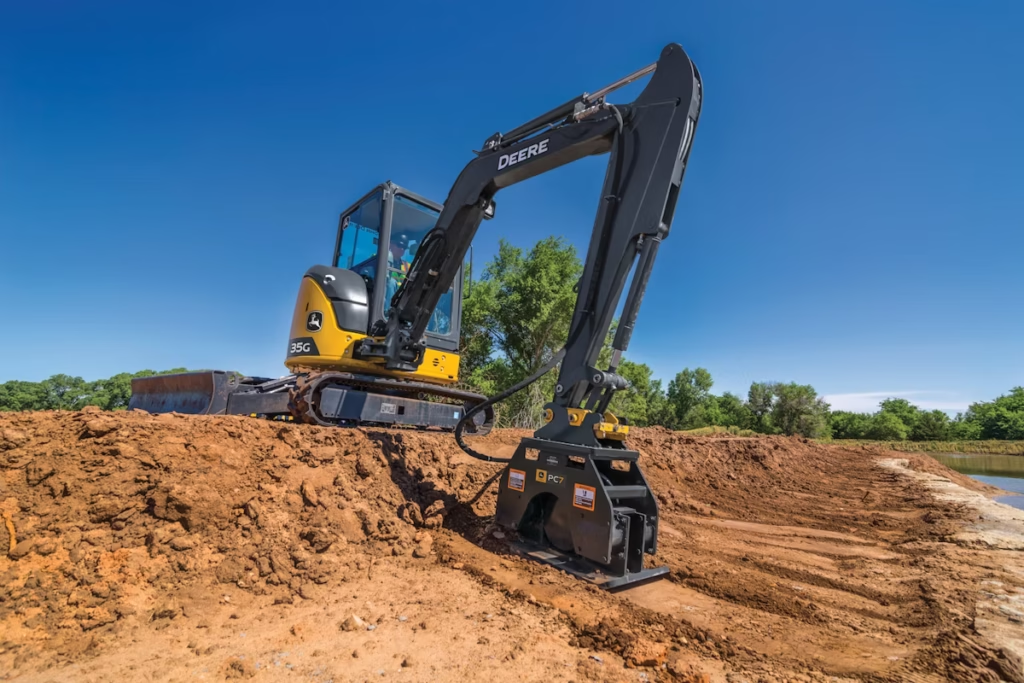
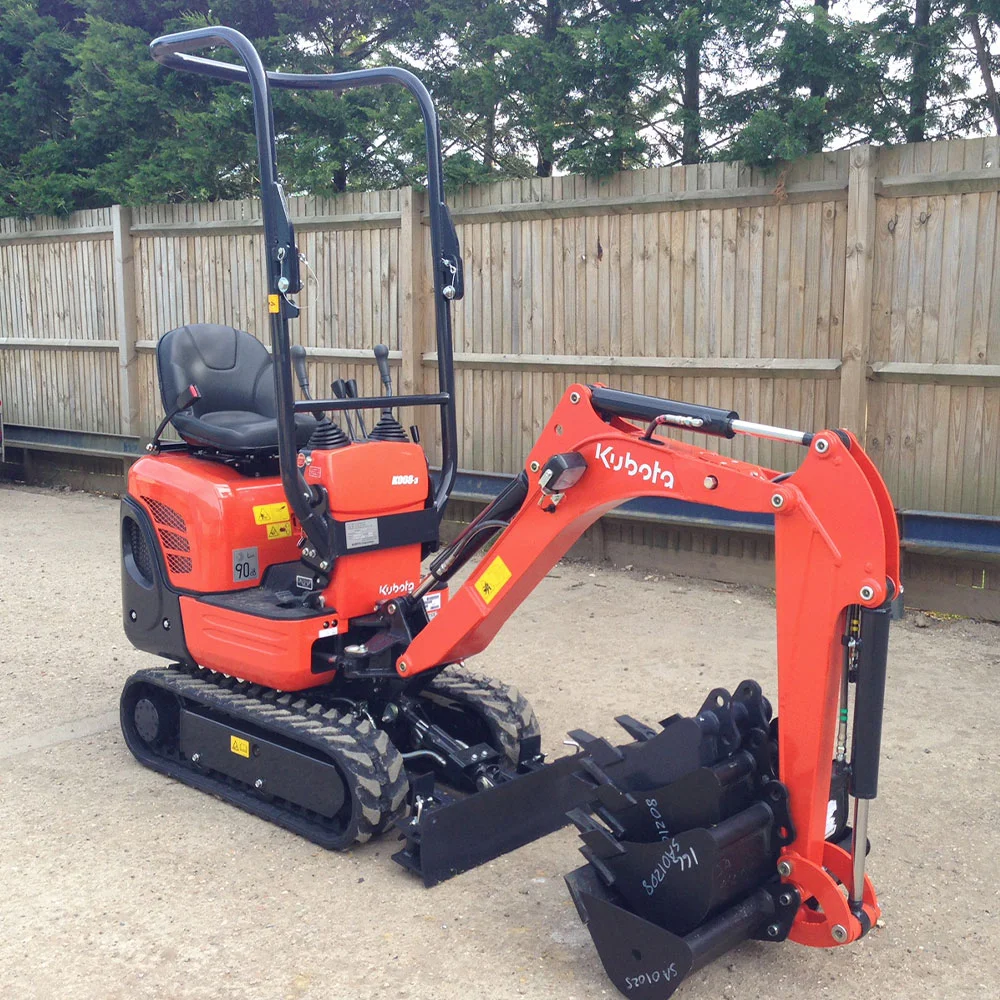
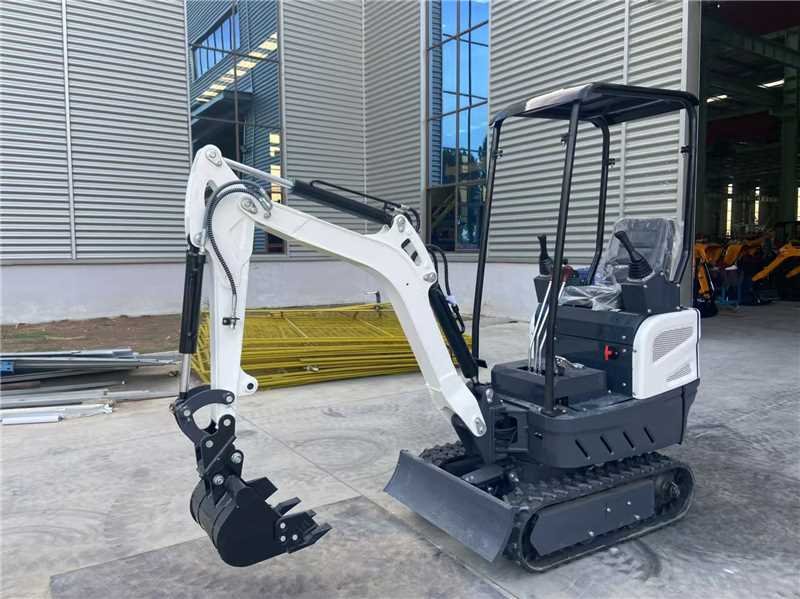
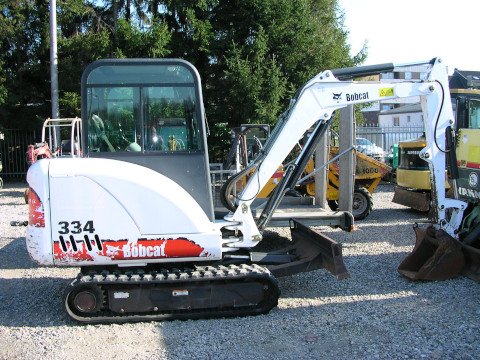
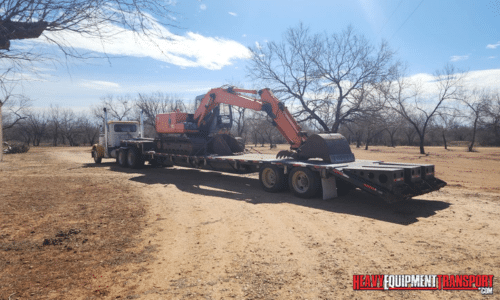
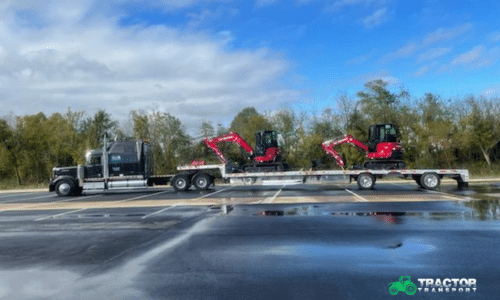
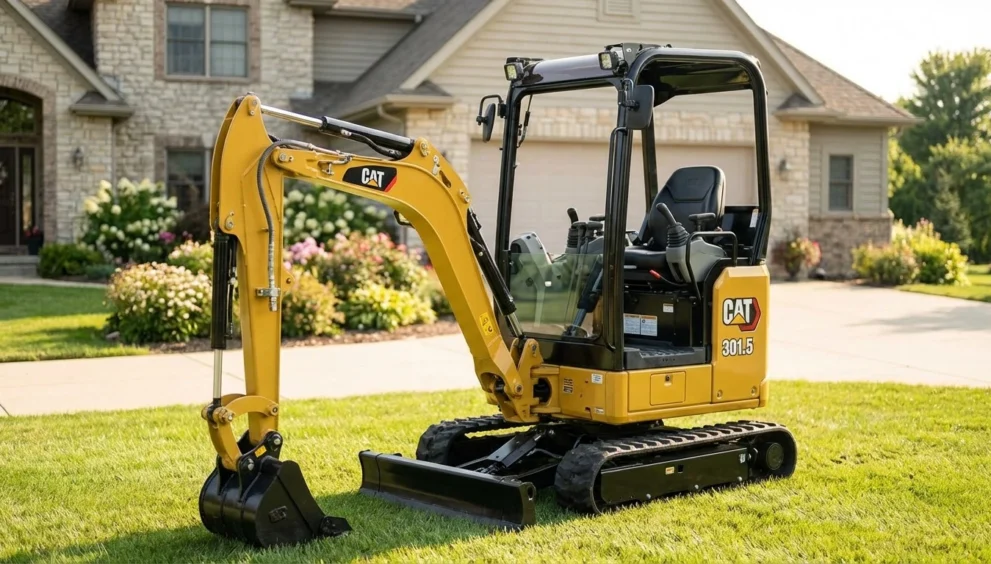
At its core, a mini excavator is a marvel of purposeful engineering. Despite its compact footprint, it retains all the essential components of its larger cousins: a rotating cab, a boom, an arm, and a bucket. The magic lies in its size and adaptability. Modern mini excavators are built with features that make them remarkably user-friendly. Rubber tracks, for instance, allow the machine to traverse finished lawns without tearing up the turf, a concern that makes traditional tracked equipment a non-starter for residential projects. Zero-tail-swing designs enable the machine to rotate fully within its own width—a critical advantage when working between fences, alongside buildings, or in crowded urban lots. And perhaps most importantly, many of the newest models are light enough to be towed by a half-ton pickup truck, eliminating the need for specialized transport and making rental or ownership feasible for a much wider audience.
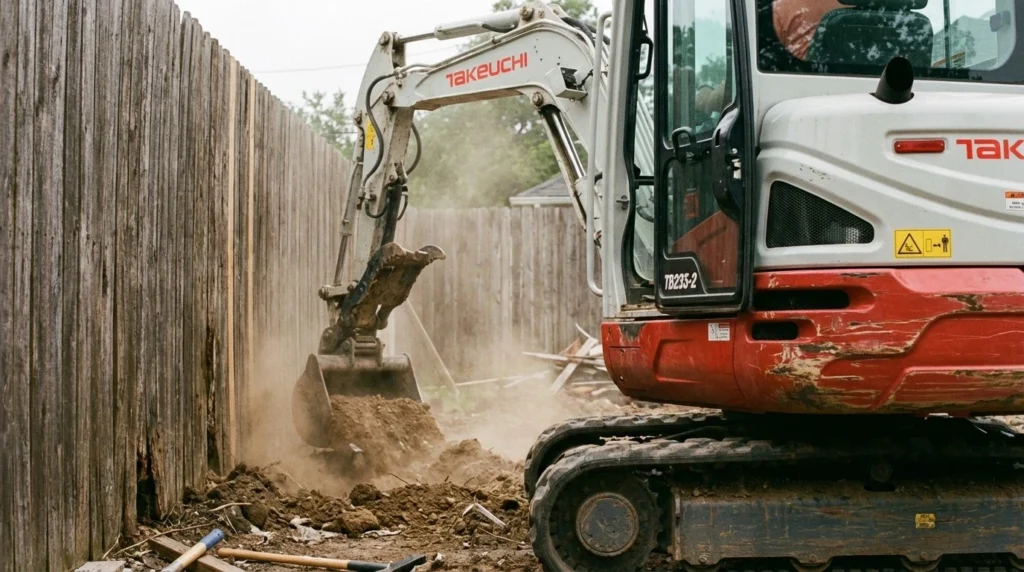
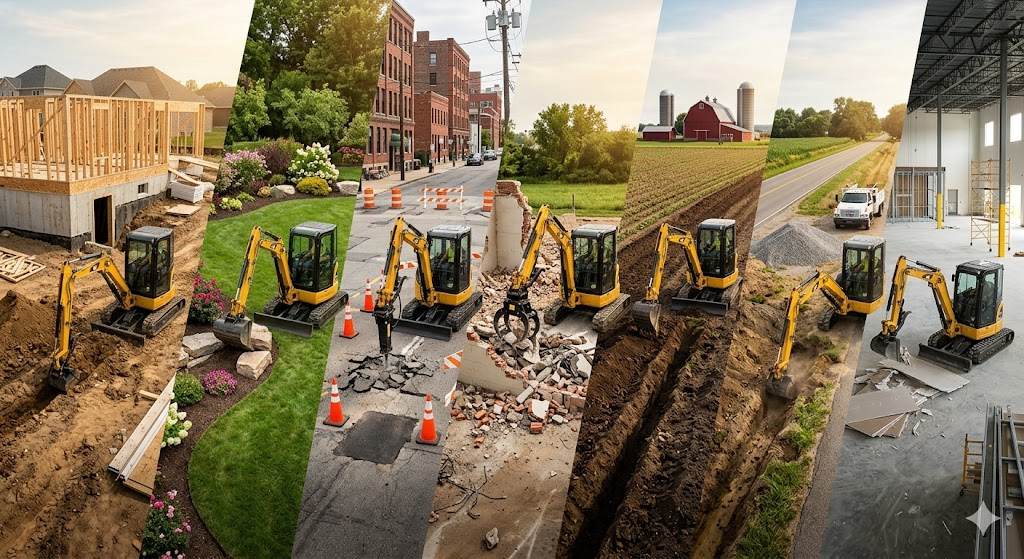
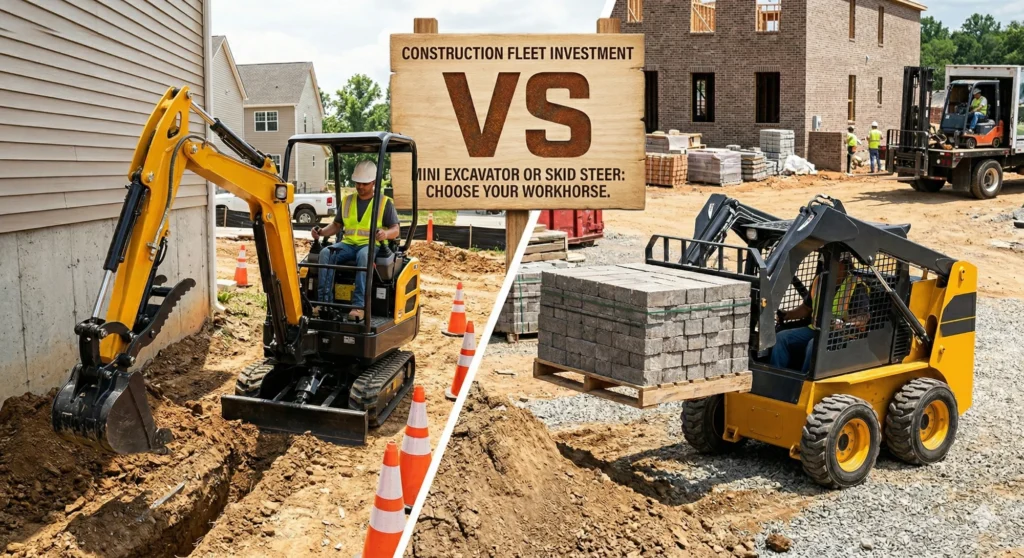
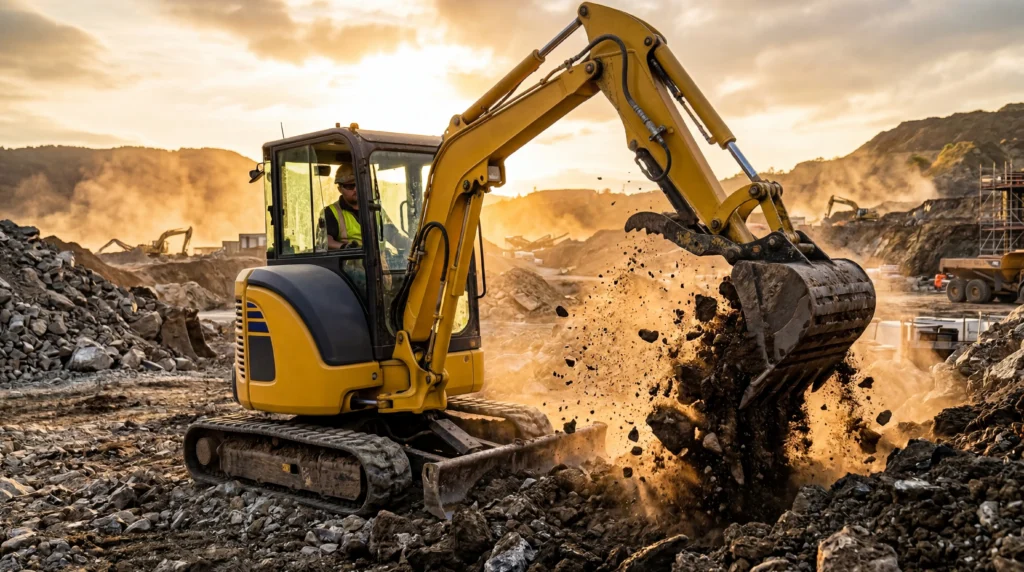
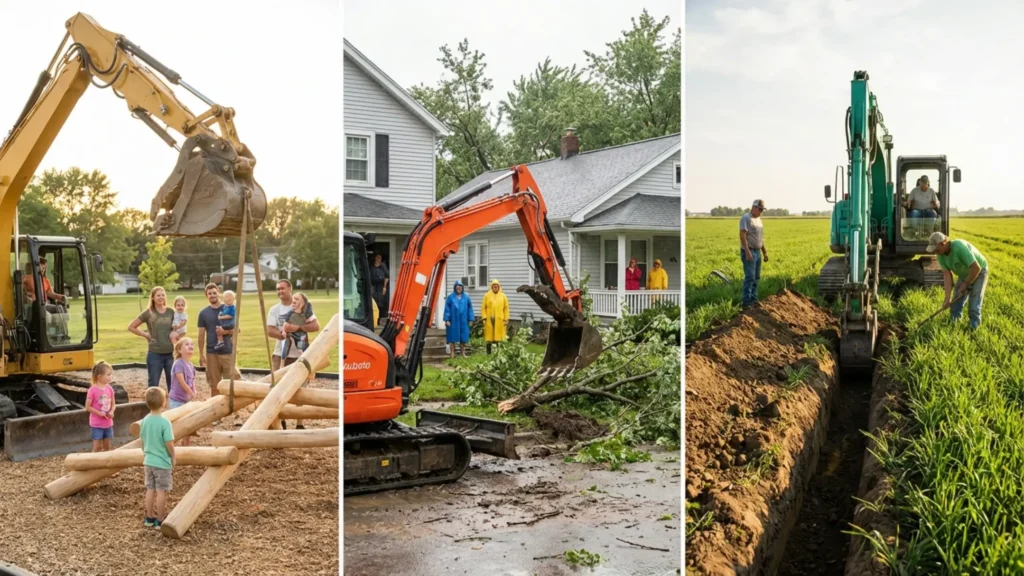
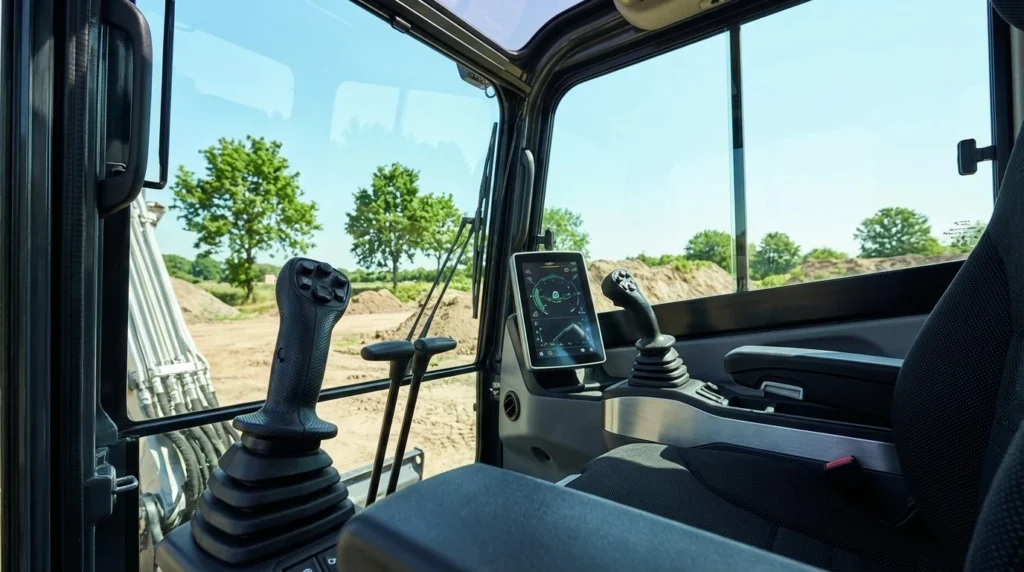
For homeowners, the appeal of the mini excavator often begins with a single, daunting project. Digging a foundation for a backyard addition, trenching for a new water line, or excavating for a swimming pool are tasks that conjure images of days spent with shovels and aching backs. Renting a mini excavator transforms these endeavors. What might take a weekend of brutal manual labor can often be completed in a few hours with a machine that responds intuitively to two joysticks. Moreover, the precision offered by these compact machines is unmatched. Experienced operators can dig alongside a house foundation without risking damage, grade a slope to within an inch of perfection, or carefully extract a stubborn tree stump without disturbing surrounding plantings. The result is not only a reduction in physical toll but also a significant reduction in project time and overall cost.
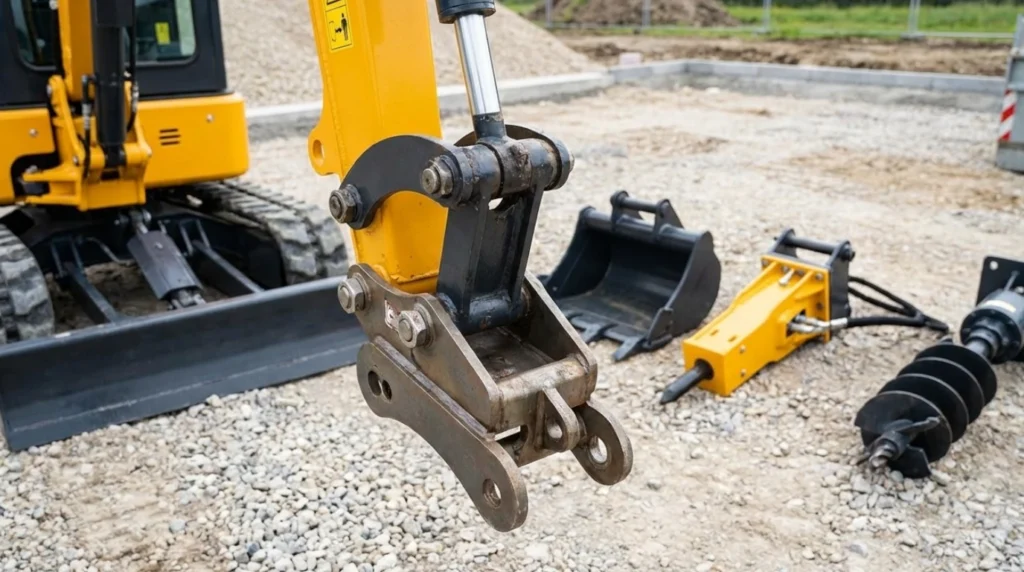
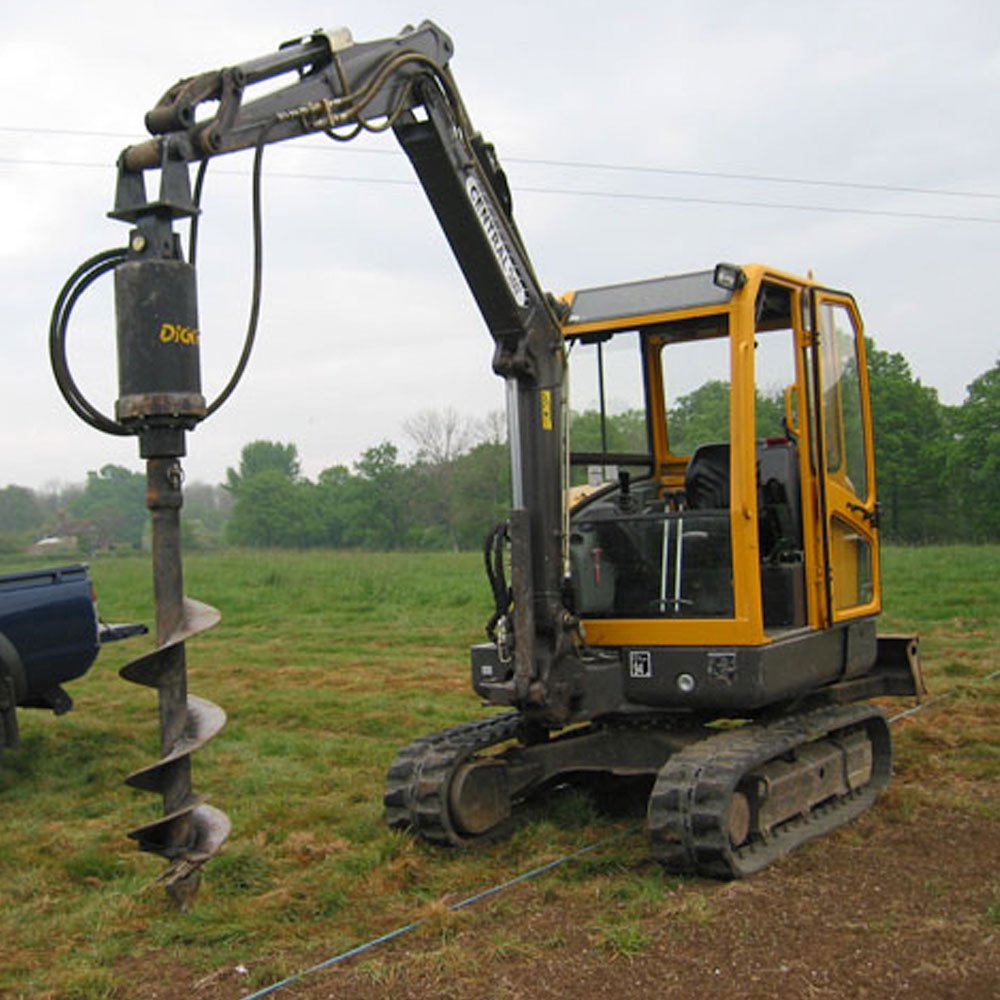
For contractors and small business owners, the mini excavator has become nothing short of a profit multiplier. Landscapers use them to carve out retaining walls, install drainage systems, and move heavy materials. Utility contractors rely on them to trench for fiber-optic lines or water mains in neighborhoods where large equipment cannot fit. Hardscape professionals employ them to set massive boulders or prepare precise subgrades for patios and driveways. The machine’s ability to switch attachments—hydraulic thumbs for grasping, augers for drilling post holes, compactors for backfill—means a single piece of equipment can replace a fleet of specialized tools. In an era where labor shortages are a constant challenge, the mini excavator allows a smaller crew to accomplish more with fewer hands, directly impacting the bottom line.
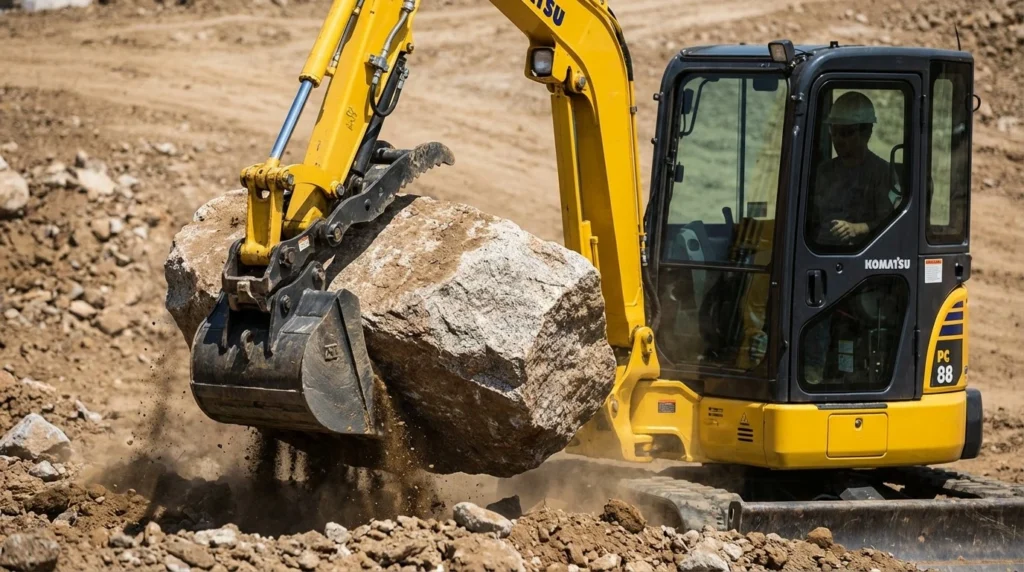
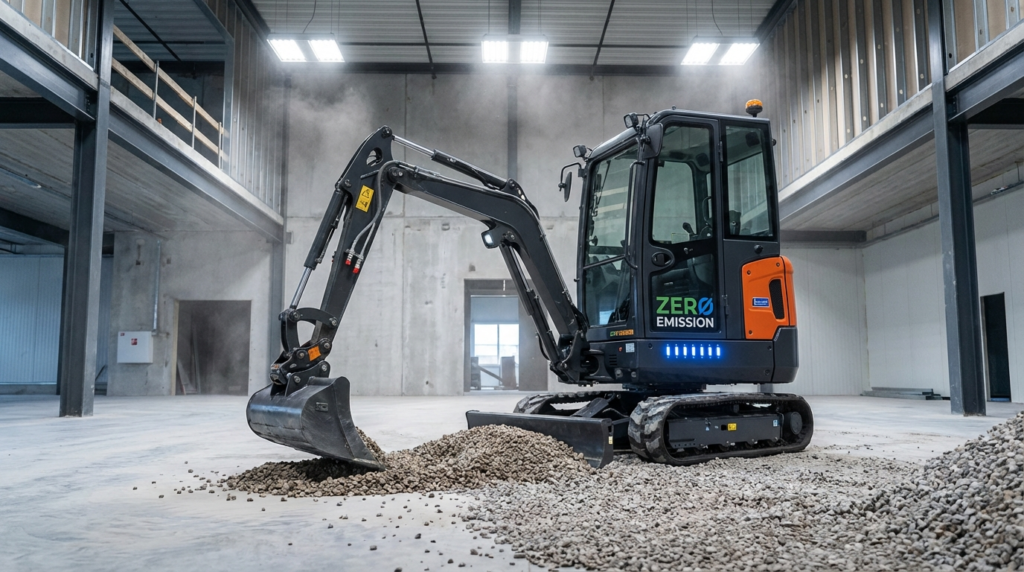
What makes today’s mini excavator truly revolutionary, however, is the technology and refinement that have trickled down from larger machines. The newest models arriving on the market—many of which debuted at recent industry expos—are no longer stripped-down versions of their bigger siblings. They now feature automotive-style cabs with ergonomic seating, intuitive touchscreen displays, Bluetooth connectivity, and advanced climate control. Hydraulic systems have become more sophisticated, delivering the power needed to run demanding attachments while maintaining smooth, precise control. Some manufacturers have introduced electric models that operate in near silence with zero emissions, making them ideal for indoor demolition projects, nighttime work in noise-sensitive neighborhoods, or municipalities with strict environmental regulations. These advancements mean that operators—whether a seasoned contractor or a first-time renter—can work longer, more comfortably, and with greater confidence.
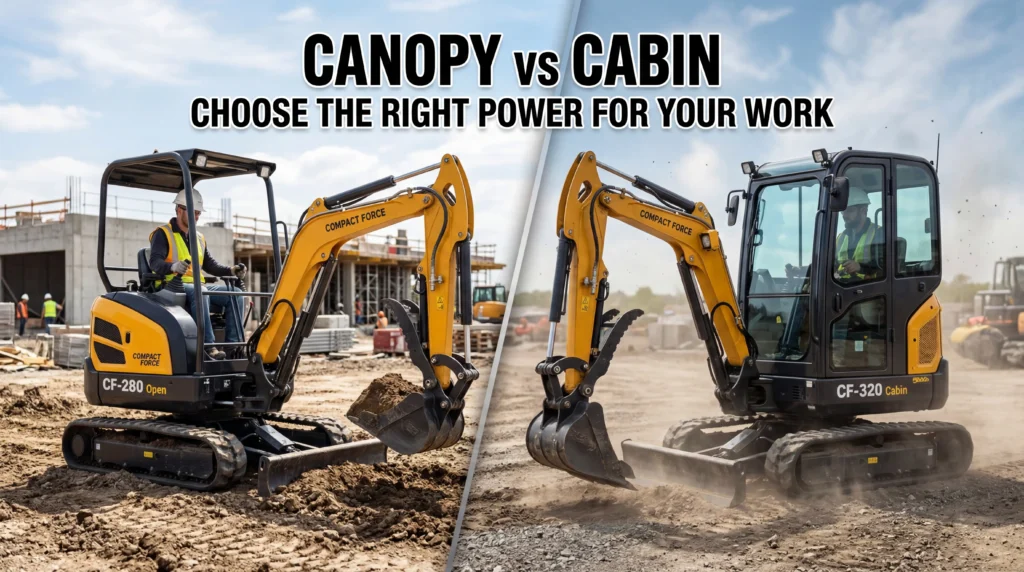
Yet with all this capability comes the responsibility of safe operation. Even a compact machine demands respect. Before operating a mini excavator, it is essential to contact the local utility locating service to mark underground lines—a step that can prevent catastrophic accidents. Understanding the machine’s lift capacity is equally critical; despite their stability, mini excavators can tip if overloaded or used on uneven ground. New operators should take time to familiarize themselves with the controls in an open area before tackling precision work, and they should always wear a seatbelt and keep the rollover protective structure (ROPS) in place. Fortunately, most rental companies offer a brief orientation, and many manufacturers have designed their machines with intuitive control patterns that new users can learn quickly.
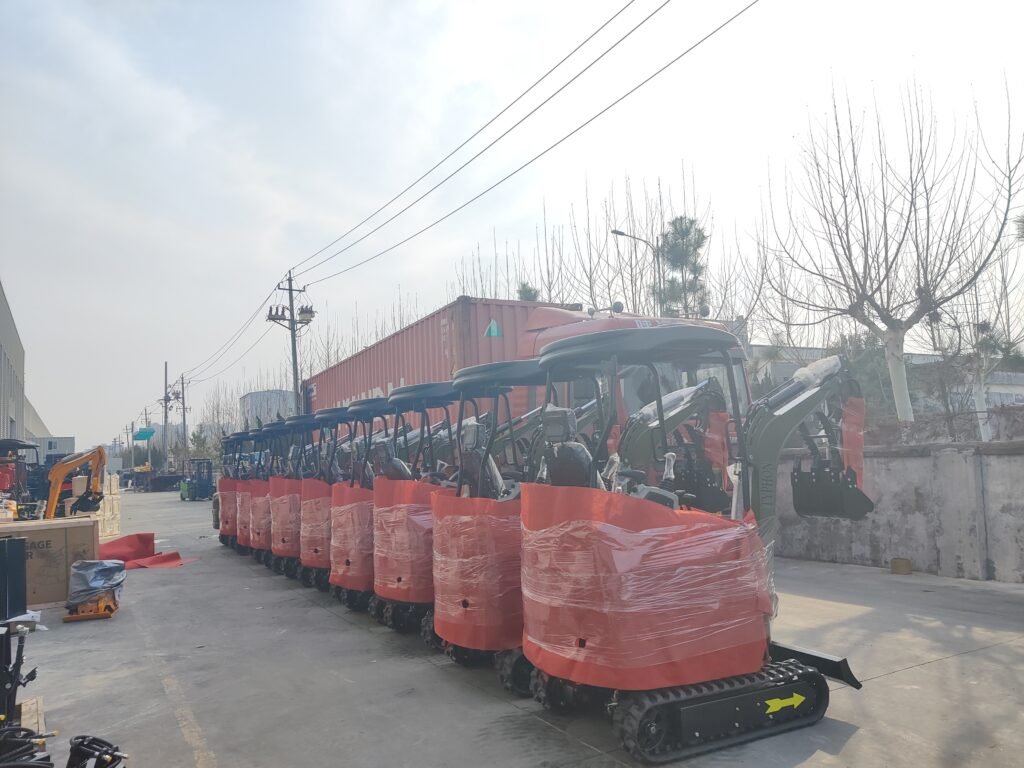
The decision to rent or buy a mini excavator ultimately depends on the scope and frequency of use. For homeowners undertaking one or two major projects, renting is almost always the smarter choice. Rental rates are surprisingly affordable, especially when weighed against the cost of hiring a full-service excavation crew, and rental fleets are constantly updated with the latest models. For contractors who find themselves reaching for an excavator on a weekly basis, purchasing a unit can provide significant long-term savings and the convenience of having the machine ready at all times. The market today offers a range of financing options, and the robust resale value of well-maintained mini excavators makes ownership a viable investment for growing businesses.
Looking ahead, the mini excavator’s role in construction and home improvement will only expand. Urban areas continue to grow denser, demanding equipment that can work within tight confines. Sustainability goals are pushing adoption of electric and low-emission models. And as more homeowners embrace ambitious do-it-yourself projects, the demand for accessible, user-friendly equipment will rise. The mini excavator sits at the intersection of these trends—powerful yet precise, compact yet capable, advanced yet approachable.
In the end, the story of the mini excavator is one of empowerment. It has taken a task that once required a large crew, heavy machinery, and days of labor and made it manageable for a single operator with a weekend and a vision. It has allowed small contractors to compete on jobs that used to be the exclusive domain of large excavation firms. And it has given homeowners a new kind of freedom—the freedom to shape their property with their own hands, aided by a machine that makes the impossible feel within reach. Whether you are a professional building for the future or a homeowner digging into a dream project, the mini excavator stands ready: a tiny digger with a giant impact.