
 English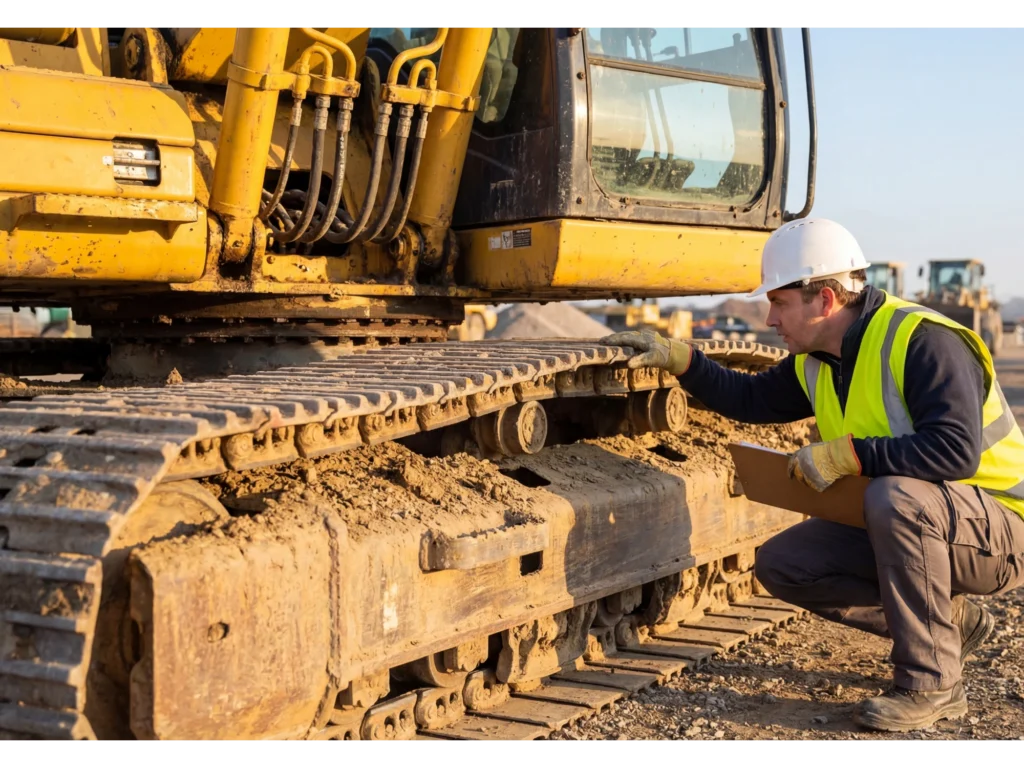











































EXCAVATOR SAFETY 101: ESSENTIAL TIPS TO PREVENT JOBSITE ACCIDENTS

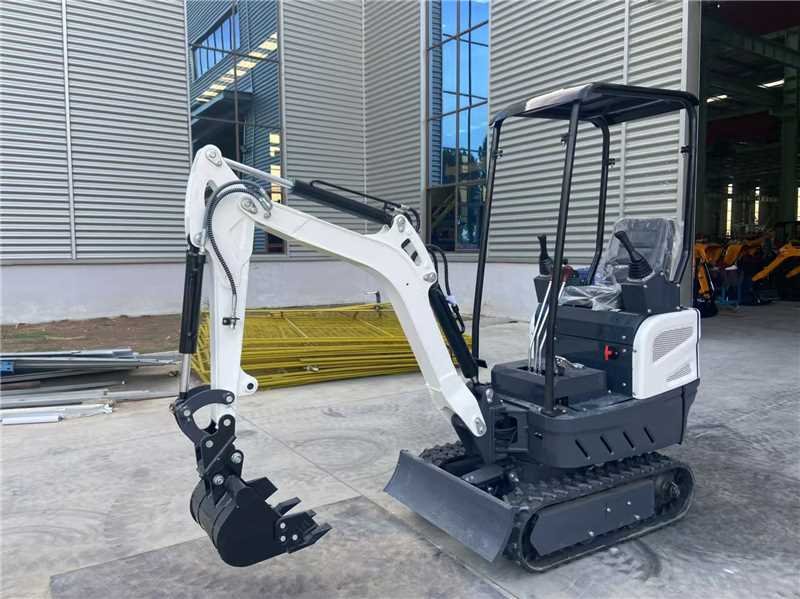
Excavators are among the most powerful and versatile machines on any construction site. From digging foundations to demolishing structures, their strength and capability are unmatched. But with that power comes significant responsibility.
According to OSHA, struck-by accidents, caught-in-between incidents, and equipment rollovers are leading causes of fatalities in construction. The good news is that the vast majority of these accidents are preventable. Whether you are a seasoned operator or a site supervisor, following these essential safety practices can make the difference between a productive day and a tragic one.
1. CONDUCT A THOROUGH PRE-OPERATION INSPECTION

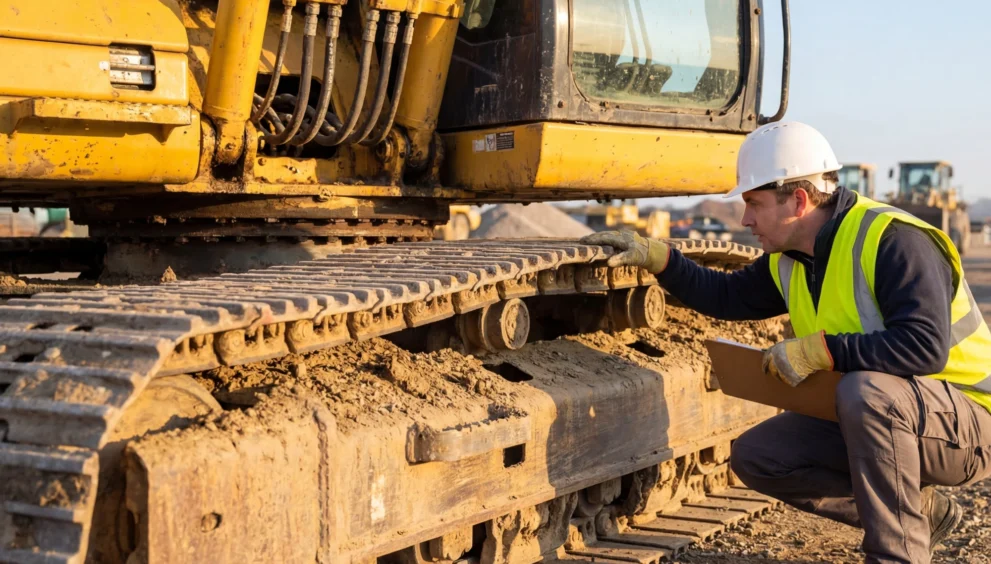
A safe job begins before the engine ever starts. Every operator should perform a walk-around inspection at the start of each shift.
KEY ITEMS TO CHECK:
Fluid levels: Hydraulic oil, engine oil, coolant, and fuel
Undercarriage: Damaged tracks, loose bolts, excessive wear
Hydraulic hoses: Cracks, leaks, or fraying
Structures: Boom, arm, and bucket for cracks or bent components
Cab safety: Seatbelt, ROPS, mirrors, cameras
Controls: Joysticks, pedals, safety levers
PRO TIP: Keep a daily inspection log. Documentation ensures accountability and helps identify developing mechanical issues before they become dangerous.
2. KNOW WHAT LIES BENEATH: UNDERGROUND UTILITIES

One of the most overlooked hazards is what you cannot see. Striking an underground utility line can result in electrocution, gas explosions, or devastating fines.
THE 811 RULE:
In the US, call 811 at least 48–72 hours before digging. A representative marks approximate locations of underground utilities.
COLOR CODE GUIDE:
Red: Electric power lines
Yellow: Natural gas, oil, steam
Orange: Communications, fiber-optic
Blue: Potable water
Green: Sewer or drainage
SAFETY PRACTICE: Even after marking, hand-dig or use vacuum excavation within the tolerance zone (typically 18–24 inches of the marked line).

3. TRENCH SAFETY: PREVENTING CAVE-INS
Trench collapses are among the deadliest excavation hazards. A cubic yard of soil can weigh as much as a car, and a collapse can happen in seconds.
ESSENTIAL TRENCH SAFETY PRACTICES:
Use protective systems: For trenches 5 feet deep or deeper, OSHA requires sloping, shoring, or shielding (trench boxes)
Keep spoils back: Pile excavated material at least 2 feet from trench edge
Provide safe entry and exit: A ladder must extend 3 feet above the trench lip for any trench 4 feet or deeper
Never enter an unprotected trench: If there is no protective system in place, do not enter—regardless of how stable the soil appears
4. STABILITY: AVOIDING TIP-OVERS AND ROLLOVERS
Excavator rollovers are a leading cause of operator fatalities. The machine’s high center of gravity demands constant awareness.

STABILITY BEST PRACTICES:
Always wear your seatbelt. The ROPS is designed to work WITH the seatbelt
Operate on stable ground. Avoid slopes exceeding the machine’s rated grade
Extend the blade properly. On compact excavators, position blade on downhill side when on slopes
Swing with caution. Keep loads low and close to the machine’s center of gravity
5. COMMUNICATION AND SPOTTER PROTOCOLS

Even the most skilled operator has blind spots. On busy jobsites, clear communication is non-negotiable.
EFFECTIVE COMMUNICATION STRATEGIES:
Use hand signals: OSHA has standardized signals. Ensure all operators and spotters are trained
Designate a spotter: When working near workers or in tight spaces, a spotter maintains eye contact
Establish radio protocols: Use clear, simple language on two-way radios
Create a work zone: Cones, caution tape, barricades keep unauthorized personnel out of swing radius
6. AVOID THE SWING RADIUS DANGER ZONE

The area immediately around an excavator’s counterweight and cab as it swings is one of the deadliest zones on a jobsite.
RULE TO REMEMBER:
If you can see the operator’s eyes, the operator can see you. If not, assume you are in a blind spot. No worker should ever approach an operating excavator without first making eye contact with the operator and receiving acknowledgment.
7. SHUTDOWN PROCEDURES

Safety doesn’t end when the work stops. Proper shutdown prevents unauthorized use and accidental startups.
END-OF-SHIFT SHUTDOWN CHECKLIST:
Park on level ground
Lower the bucket or attachment flat to the ground
Engage the safety lock lever to disable hydraulic controls
Run the engine at low idle for a few minutes to cool down
Turn off the engine and remove the key
Chock the tracks or wheels if parked on any incline
🏁 FINAL THOUGHTS: SAFETY IS A MINDSET
Safety is not a checklist—it’s a mindset. The most productive jobsite is ultimately the safest one, where every worker goes home in the same condition they arrived. By prioritizing pre-operation inspections, utility awareness, trench protection, stability practices, and clear communication, you ensure that your excavator remains the powerful asset it was designed to be—without unnecessary risk.
💬 Have a safety tip or story to share? Reach out to us. We’d love to hear how you stay safe on the job.