 English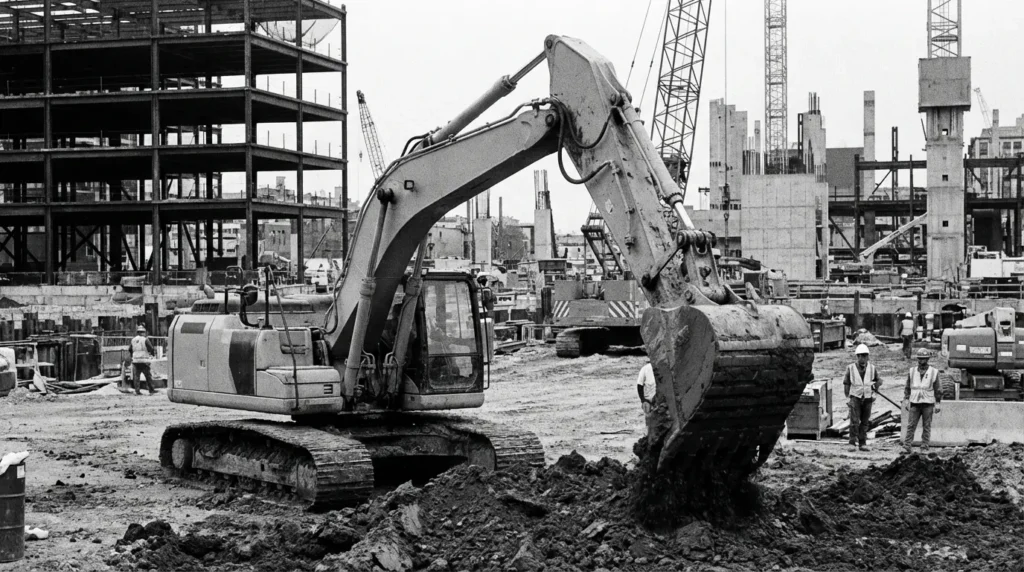



























Excavators: The Powerful Machines Behind Modern Construction

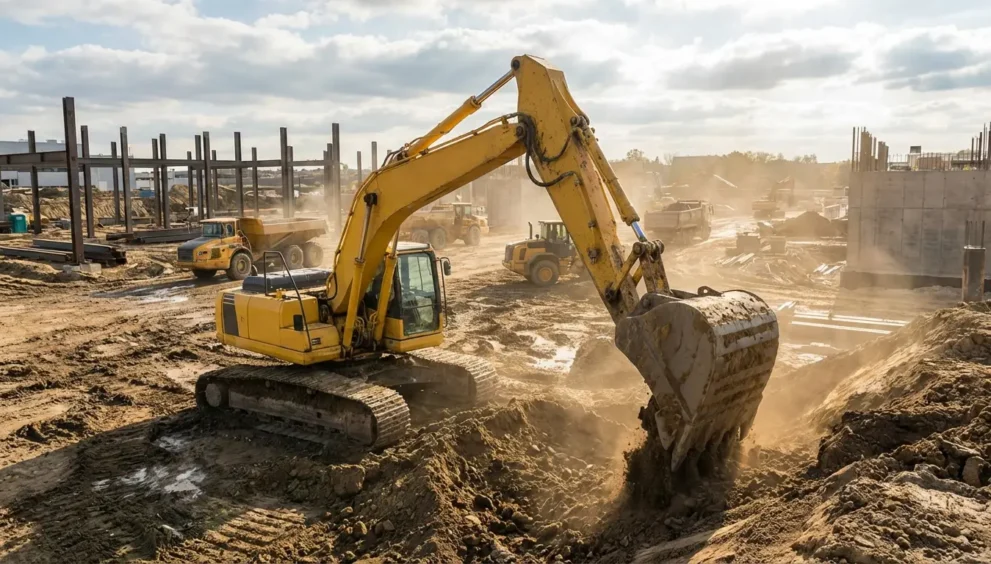
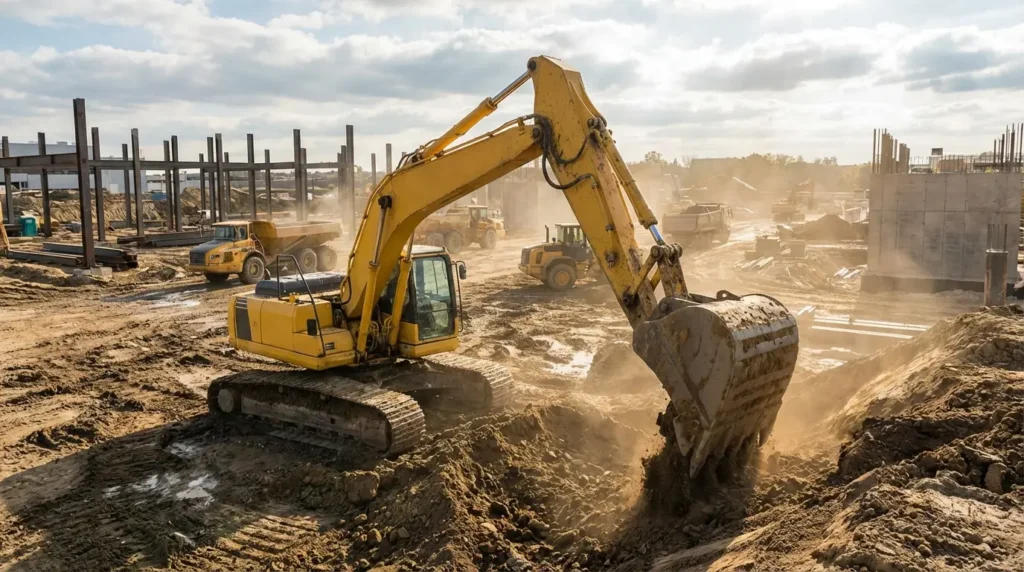
When most people think about construction equipment, the excavator is usually one of the first machines that comes to mind. It is large, powerful, and impossible to ignore on a job site. Whether it is digging deep foundations, clearing land, lifting heavy materials, or tearing down old structures, the excavator has become one of the most important machines in modern construction.
What makes the excavator so fascinating is not just its size, but its versatility. It is a machine built for strength, yet it can also perform surprisingly precise work when handled by an experienced operator. In many ways, the excavator is the machine that turns a plan on paper into real movement on the ground.
From urban development to road projects and industrial work, excavators are everywhere. They may look similar at a glance, but their role in construction is much bigger than simply digging holes. They help shape land, prepare foundations, support demolition, and keep major projects moving forward.
What Is an Excavator?
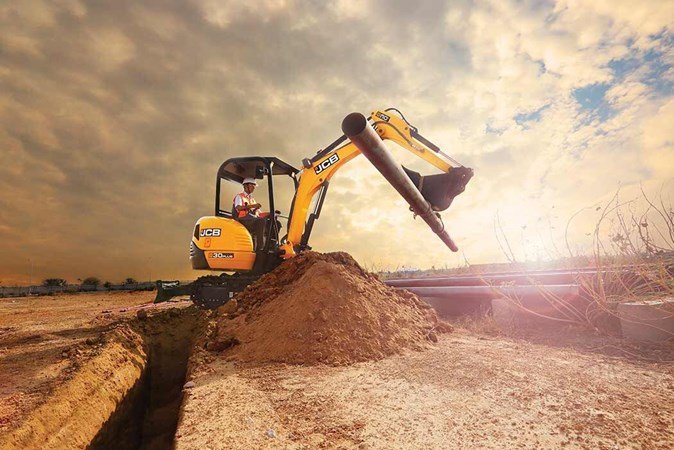
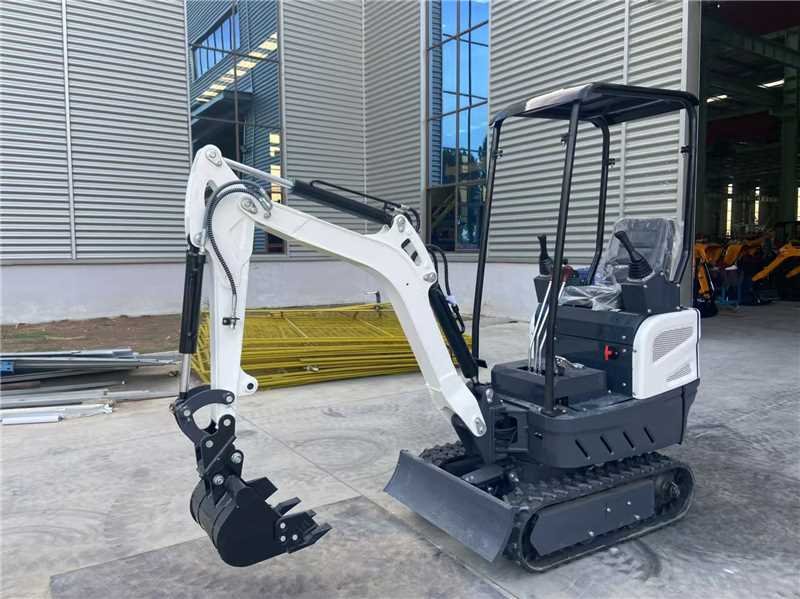
An excavator is a heavy construction machine designed mainly for digging, lifting, and moving materials. It typically includes a boom, an arm, a bucket, and a rotating cab mounted on tracks or wheels. This design allows the machine to reach, scoop, lift, and swing materials from one place to another with speed and efficiency.
The rotating upper structure is one of the features that makes an excavator especially useful. Unlike simpler equipment, it does not need to reposition constantly just to move material from one side to another. The operator can dig, rotate, and unload in a smooth working cycle, which saves time and improves productivity.
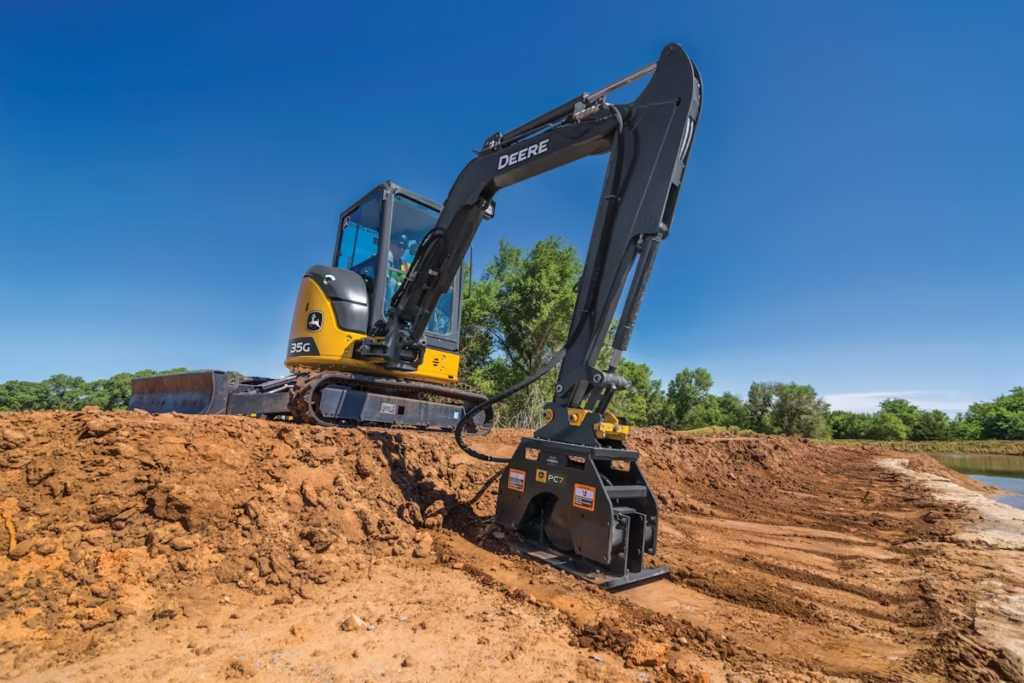
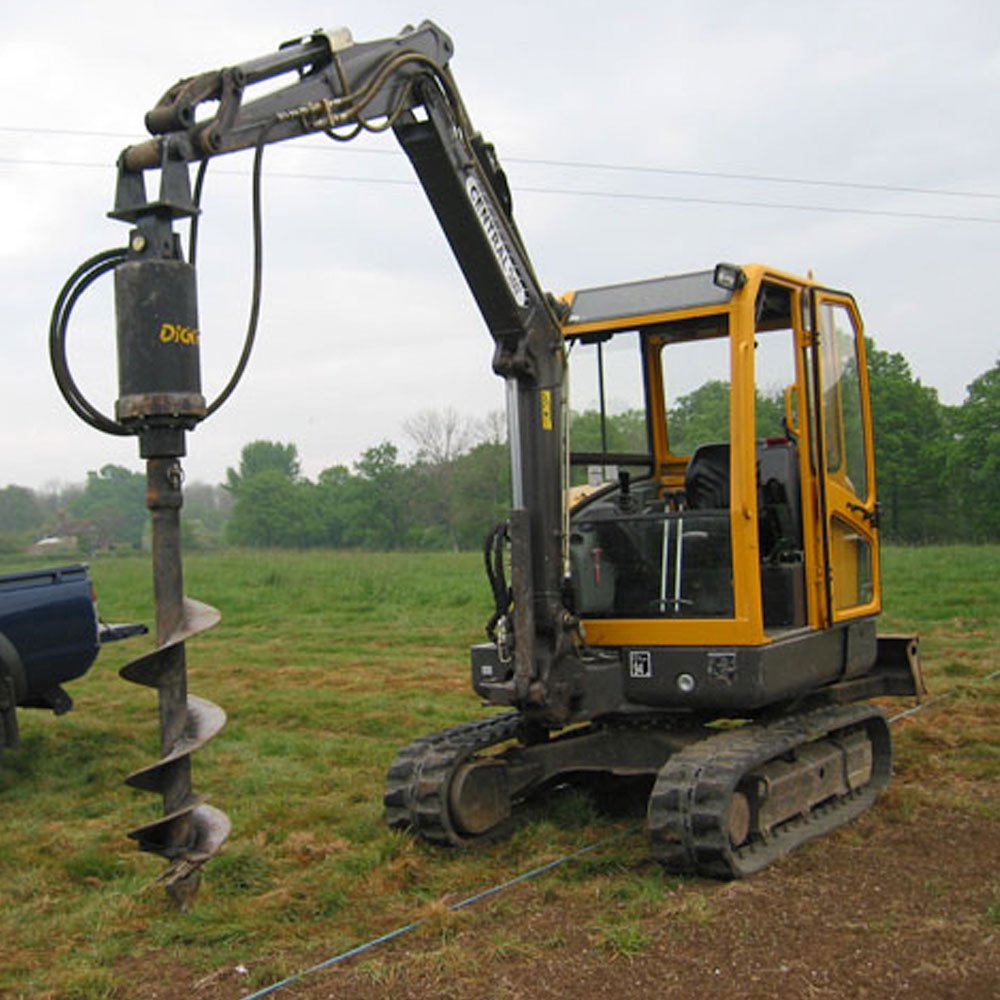
Although the bucket is the most familiar attachment, excavators can also use many other tools. Depending on the project, they may be fitted with breakers, grapples, augers, rippers, or compaction wheels. That flexibility turns one machine into a multi-purpose piece of equipment.
Why Excavators Matter So Much
Construction projects depend on progress, and progress often begins with ground work. Before buildings rise, roads are paved, or utilities are installed, the site has to be prepared. That is where excavators make such a big difference.
They can remove soil quickly, dig trenches with accuracy, lift pipes into place, break through hard surfaces, and clear debris after demolition. Without excavators, many of these tasks would require far more labor, more time, and much higher cost.
Their value comes down to three major strengths: power, efficiency, and adaptability.
An excavator can handle difficult workloads that would be nearly impossible by hand. It can work in rough terrain, operate for long hours, and perform tasks that require both force and control. That balance is what makes it one of the most trusted machines in the industry.
The Main Parts of an Excavator
To understand why excavators are so effective, it helps to look at the main parts that make them work.
Boom
The boom is the large upper section attached to the machine. It gives the excavator height and reach, helping position the arm for digging or lifting.
Arm
Connected to the boom, the arm extends outward and helps control the distance and direction of digging.
Bucket
The bucket is the attachment most people recognize. It is used to scoop soil, sand, rock, and other materials. Different bucket shapes are available for different types of work.
Cab
The cab is where the operator sits and controls the machine. Modern excavator cabs are designed for comfort, visibility, and safety, especially during long working hours.
Tracks or Wheels
Most excavators use tracks, which help the machine stay stable on rough or soft ground. Some models use wheels, which can be useful for urban environments or projects that require faster movement on paved surfaces.
Hydraulic System
The hydraulic system is what gives the excavator its strength. It powers the movement of the boom, arm, bucket, and attachments, allowing the machine to perform heavy work with controlled precision.
Different Types of Excavators
Not every excavator is the same. Different jobs require different machine sizes and designs, and that is why excavators come in several types.
Crawler Excavators
These are the most common type. They run on tracks and are widely used for digging, grading, and heavy-duty construction tasks. They are stable, strong, and well suited for uneven ground.
Wheeled Excavators
These use wheels instead of tracks and are often used in cities or on roads where mobility matters. They are easier to move on hard surfaces and are practical for urban infrastructure work.
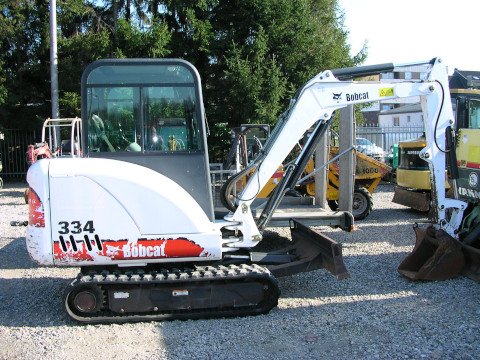
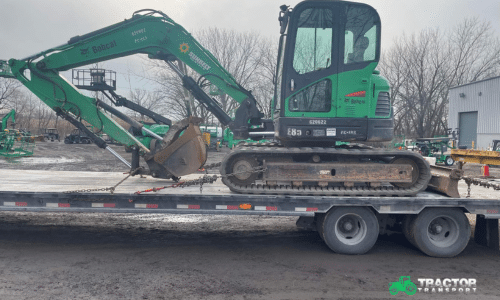
Mini Excavators
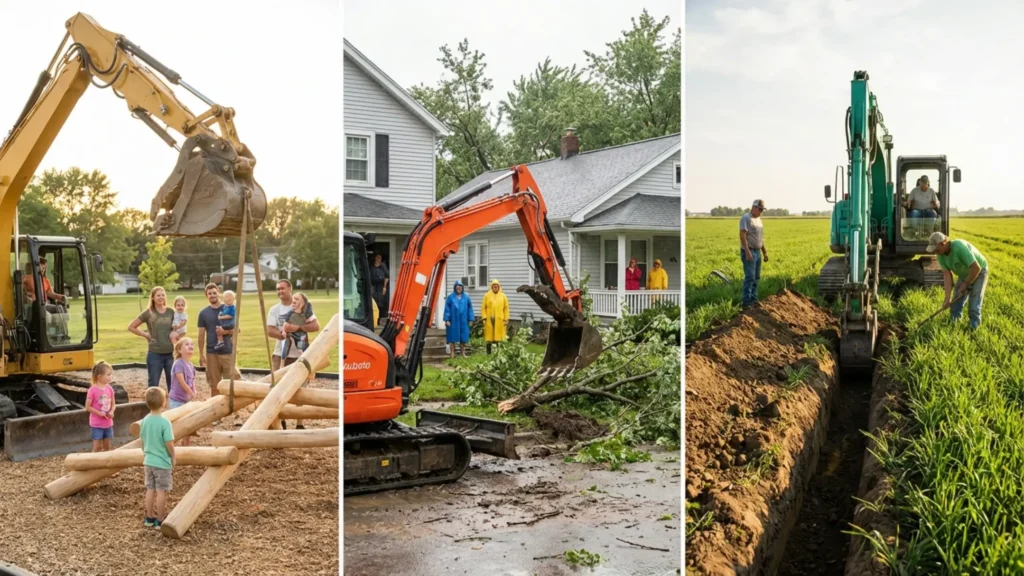
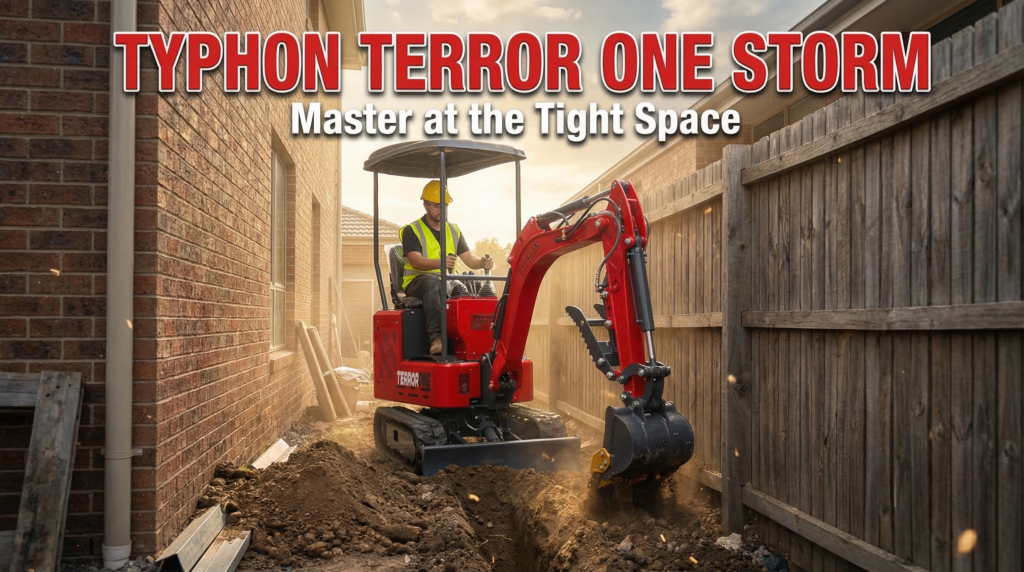
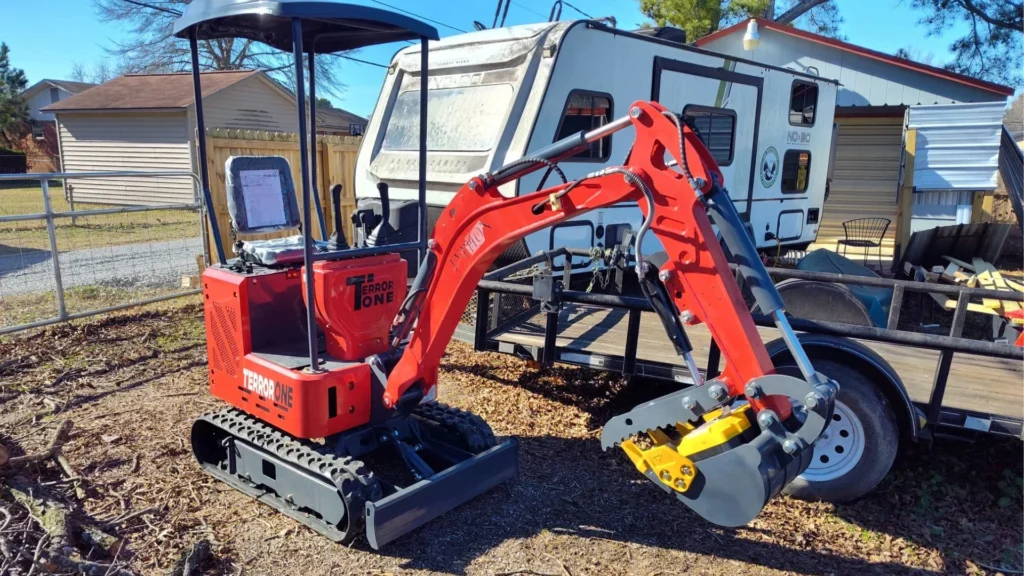
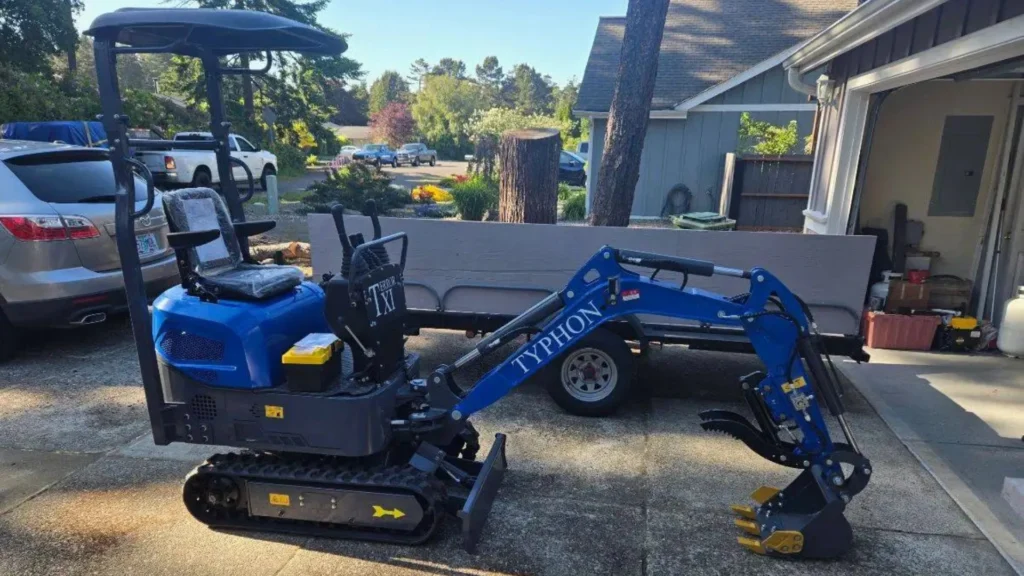
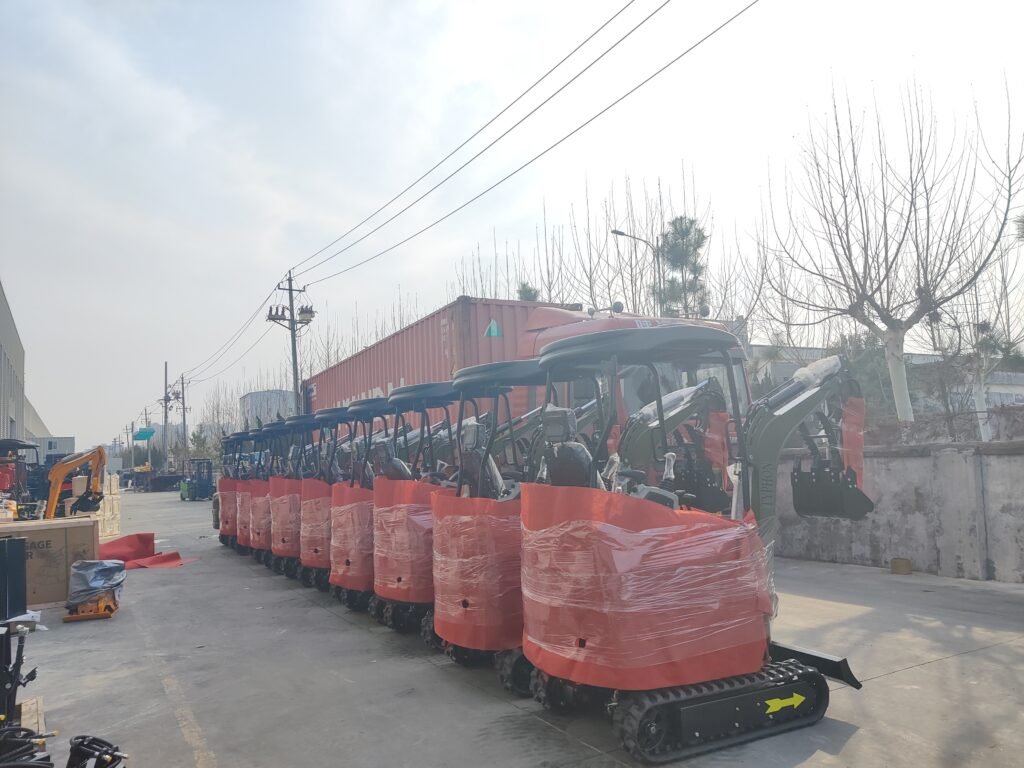
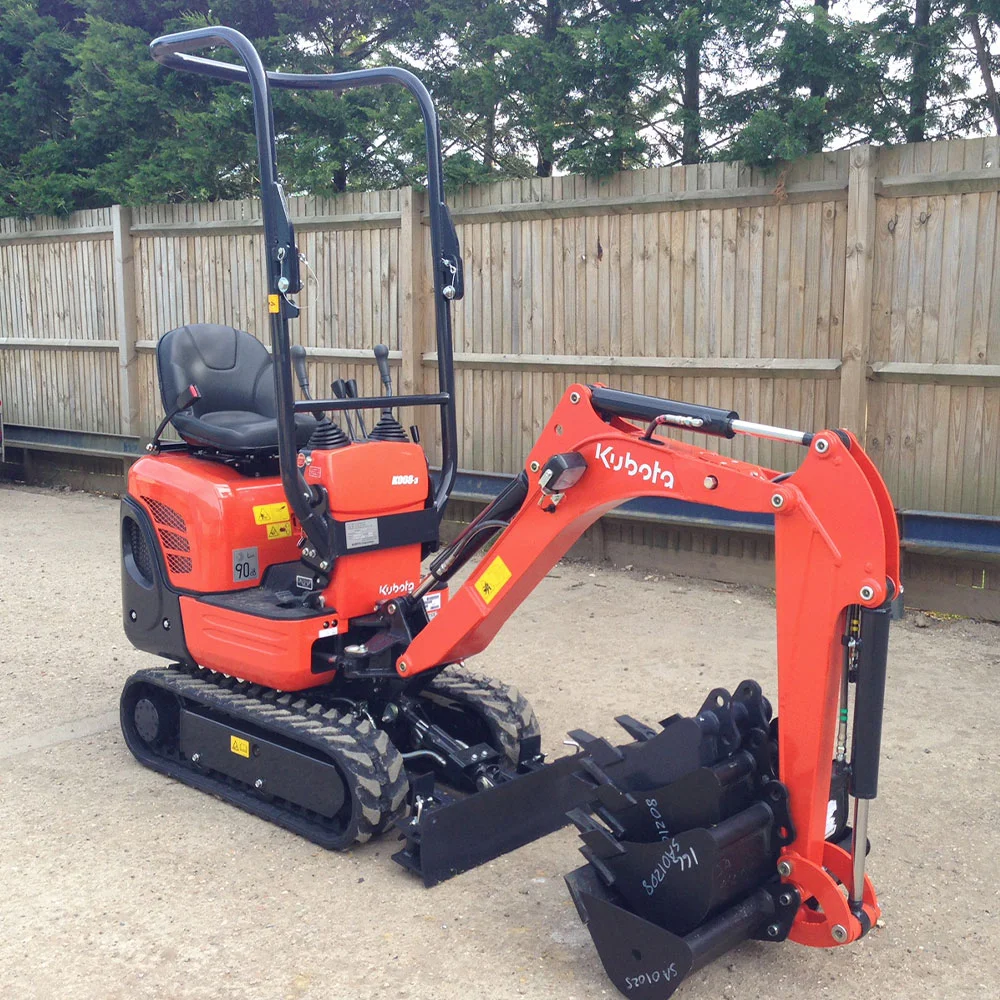
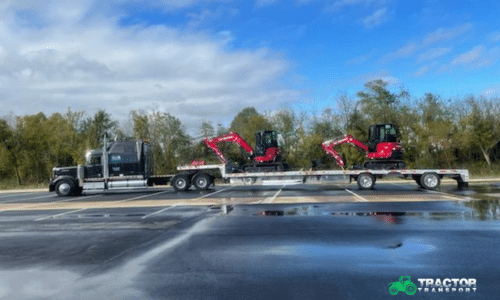
Smaller than standard models, mini excavators are ideal for tight spaces, landscaping, light construction, and residential work. They are compact, but still highly useful.
Long-Reach Excavators
These machines have extended arms and booms for tasks that require extra reach, such as dredging, slope work, or demolition in hard-to-access areas.
Heavy-Duty Excavators
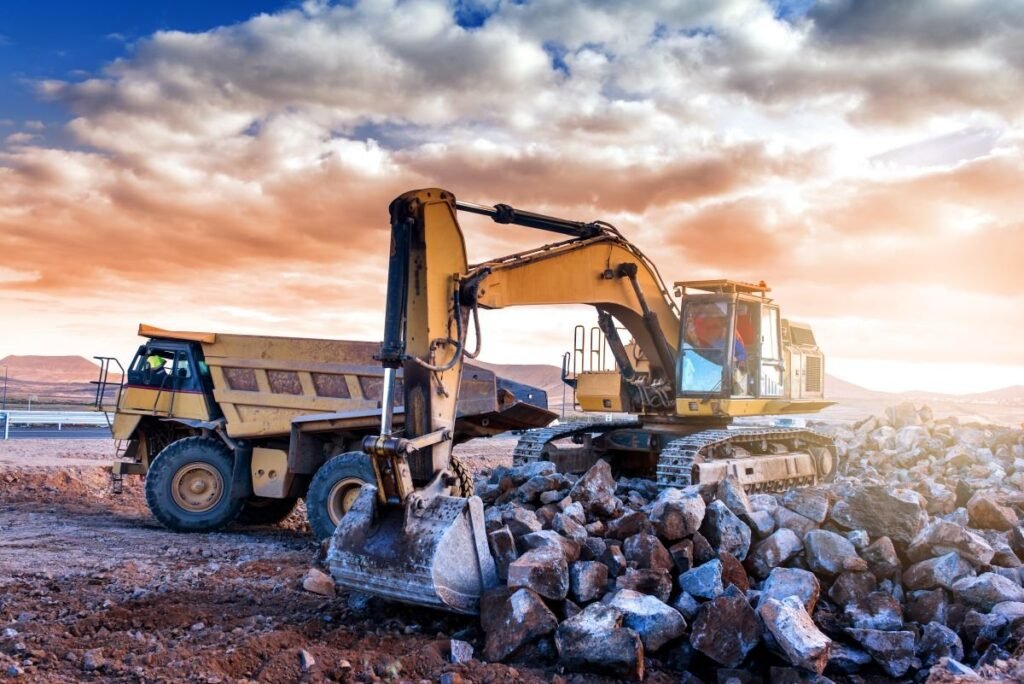
Built for demanding conditions, these excavators are used in mining, large earthmoving operations, and major infrastructure projects where strength is the top priority.
Where Excavators Are Used
Excavators are found in more places than many people realize. Their use goes far beyond standard building sites.
They are commonly used for:
- digging foundations
- trenching for pipes and cables
- land clearing
- road construction
- demolition work
- river and canal maintenance
- mining operations
- lifting heavy construction materials
- landscaping and site shaping
This wide range of uses explains why excavators are considered one of the most essential machines in the heavy equipment world. A contractor may use the same excavator for excavation in the morning, material handling in the afternoon, and site cleanup before the day ends.
What Makes Excavators So Interesting
There is something impressive about watching an excavator work. It combines raw power with smooth movement in a way that feels almost mechanical and artistic at the same time. A skilled operator can make a large machine perform with surprising precision, carefully shaping trenches, lifting fragile materials, or breaking concrete in a controlled way.
That contrast is part of what makes excavators so interesting. They are built for hard labor, yet the best results often come from patience, experience, and careful handling. The machine may be powerful, but good work still depends on the person inside the cab.
An excavator is not just a symbol of heavy industry. It is also a symbol of progress. Wherever land is being prepared, structures are rising, or old spaces are being transformed into something new, there is a good chance an excavator is part of that process.
Modern Excavators and Changing Technology
Like many construction machines, excavators have evolved over time. Newer models are more efficient, more comfortable for operators, and better equipped with technology than older generations.
Today’s excavators may include features such as:
- improved fuel efficiency
- advanced hydraulic control
- operator-assist systems
- rear and side cameras
- digital monitoring displays
- better cabin ergonomics
- reduced emissions technology
These improvements are helping contractors work more efficiently while also meeting modern demands for safety, productivity, and environmental responsibility.
Technology has not changed the basic purpose of the excavator, but it has made the machine smarter and more refined. It is still a tool for digging and lifting, but now it does that work with greater precision and better performance than ever before.
The Role of the Operator
Even with all its power and modern engineering, an excavator is only as effective as the person operating it. Skilled operators understand how to manage the machine’s balance, movement, and attachment control in different working conditions.
They must pay attention to the ground surface, the surrounding environment, nearby workers, and the task at hand. On many job sites, safety depends heavily on how the excavator is operated.
This is why operator experience matters so much. A good operator does not just move the machine — they read the site, understand the material, and use the excavator in the most effective and safest way possible.
Why Excavators Will Always Be Important
Construction methods may continue to change, but excavators are likely to remain central to the industry for a very long time. Almost every major project begins with moving earth, shaping land, or removing obstacles, and excavators are designed perfectly for that kind of work.
They are strong enough for heavy jobs, flexible enough for many uses, and reliable enough to become a daily part of construction operations around the world. Few machines can match their combination of capability and importance.
That is why the excavator continues to stand out as one of the true workhorses of modern construction.
Final Thoughts
The excavator is more than just a machine with a bucket. It is one of the most valuable tools in construction, known for its strength, versatility, and ability to adapt to many different tasks. From small residential projects to massive industrial developments, excavators help shape the physical world around us.
They dig the ground for what comes next. They clear what needs to be removed. They lift what needs to be placed. And they do it with a mix of force and precision that few other machines can offer.
In the end, the excavator is not only one of the most recognizable construction machines — it is also one of the most important. Every trench, every cleared site, and every prepared foundation tells part of the story of what this machine makes possible.