Big Power in Tight Spaces: The American Excavator Guide to Confined Job Sites
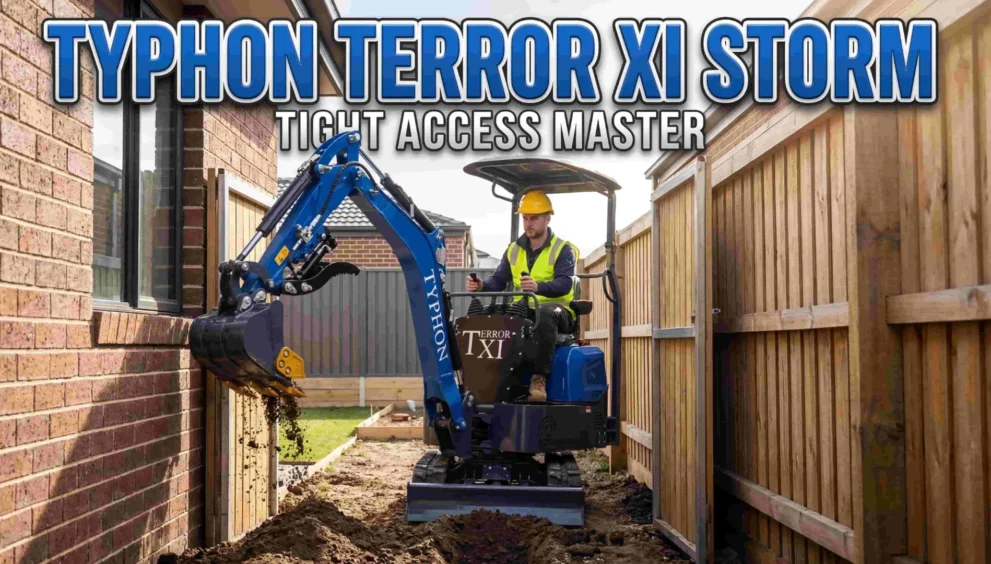
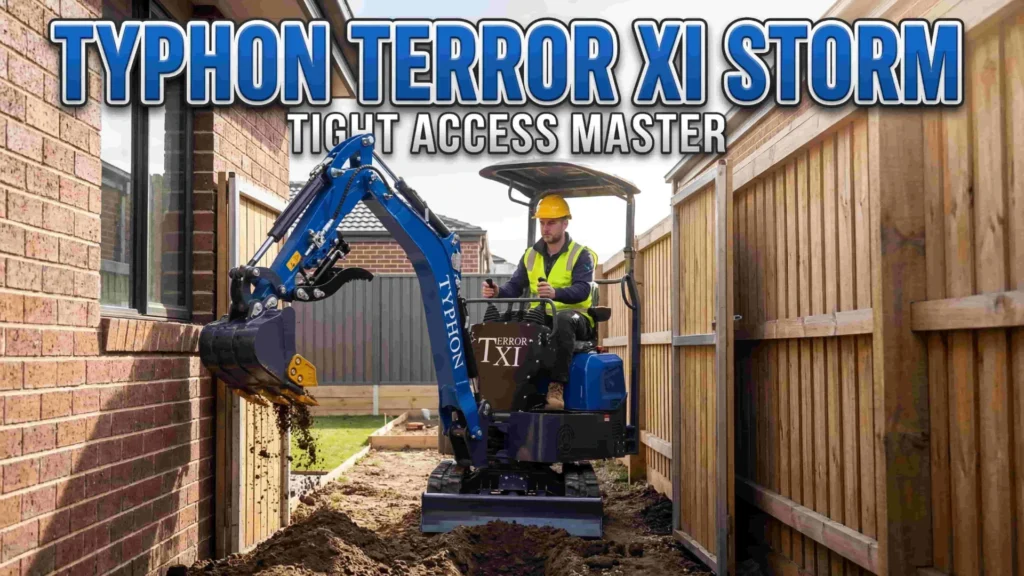
The true test of a machine—and its operator—isn’t found out in a wide-open field. It is found wedged between two expensive homes, squeezing through a 36-inch backyard gate, and trenching mere inches from a poured foundation.
At American Excavator, we know that today’s most profitable excavation jobs require surgical precision. You don’t always have the luxury of space, but you still need the breakout force of heavy machinery to get the job done on time.
Welcome to your ultimate resource for mastering confined-space earthmoving. This section of our blog is dedicated to the strategies, equipment setups, and advanced operating techniques required to bring heavy-duty power into the most unforgiving, tightest job sites.
Here is what we cover in our guides and tutorials:
1. Access and Mobility Getting the machine into the backyard is often the hardest part of the job. We break down the logistics of site access.
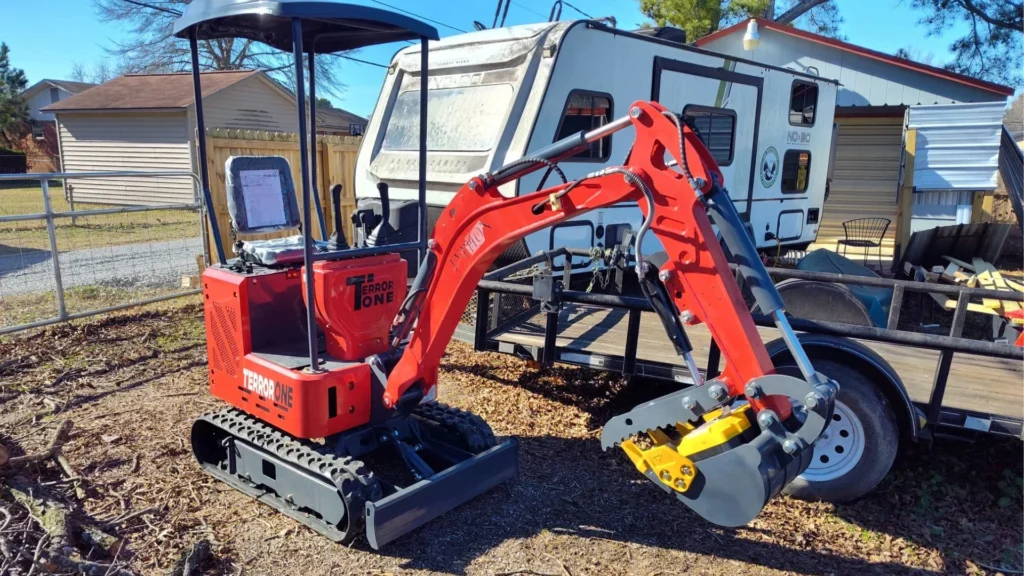
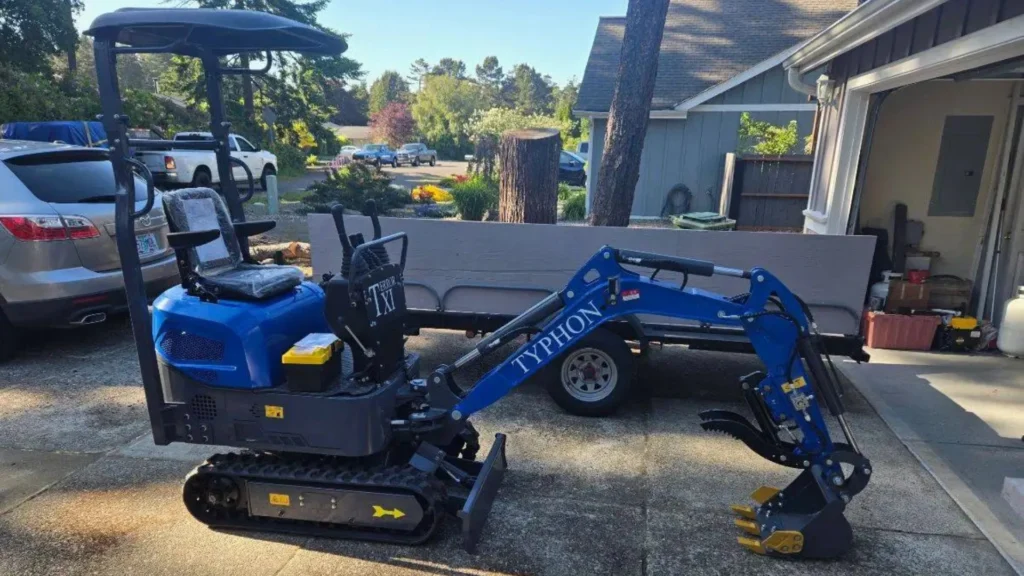
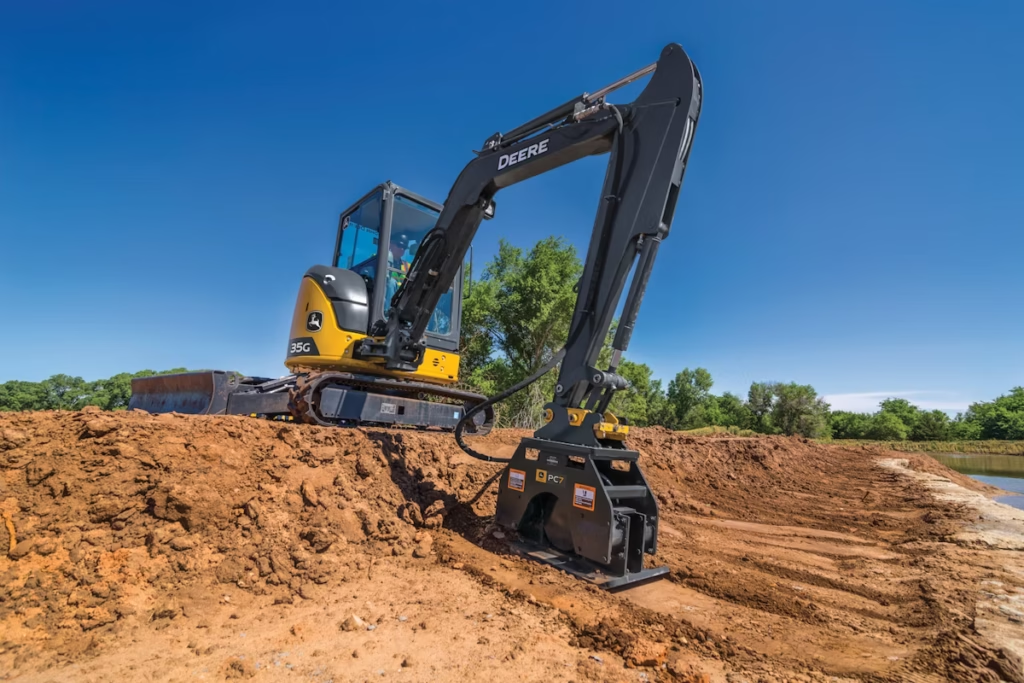
The Squeeze: Strategies for safely utilizing retractable undercarriages to push through narrow residential gates and alleyways, then expanding them for maximum digging stability.
Track Selection: How to choose between standard rubber tracks, turf-friendly treads, and steel tracks based on your typical job site environment.
Trailer-to-Site Logistics: Best practices for unloading in busy streets, cul-de-sacs, and tight urban driveways.
2. Precision Operation & Zero Tail-Swing When you are working next to a brick wall or a parked car, you don’t have room for a swinging counterweight.
Spatial Awareness: Techniques for tracking your counterweight and boom simultaneously to prevent costly property damage.
Offset Digging: How to effectively use your independent boom swing (the knuckle) to dig perfectly parallel trenches right up against existing structures.
Vertical Digging: Mastering the bucket curl and stick crowd to pull dirt straight up and out of deep, narrow trenches without collapsing the sidewalls.
3. The Low-Impact Footprint Executing the job is important, but leaving the property looking untouched is how you win repeat clients and 5-star reviews.
Turf & Hardscape Protection: The best practices for using ground protection mats, plywood, and proper turning techniques (like the “three-point turn”) to prevent tearing up expensive lawns and cracking driveways.
Clean Spoil Management: How to stage dirt in a confined yard without suffocating the surrounding landscape, and techniques for direct-loading dump trailers in tight alleys.
4. Confined-Space Safety & Utilities Working in established neighborhoods means working around buried hazards and tight overhead airspaces.
The Urban Underground: Expert advice on hand-digging protocols, using spotters, and operating safely around dense webs of residential water lines, gas mains, and fiber optic cables.
Overhead Hazards: Managing your maximum dump height and stick extension when working under power lines, residential eaves, and low-hanging tree branches.
At American Excavator, we prove that you don’t need a massive footprint to do massive work. Explore our latest guides below and learn how to maximize your machine’s potential in the tightest spaces.
 English