 English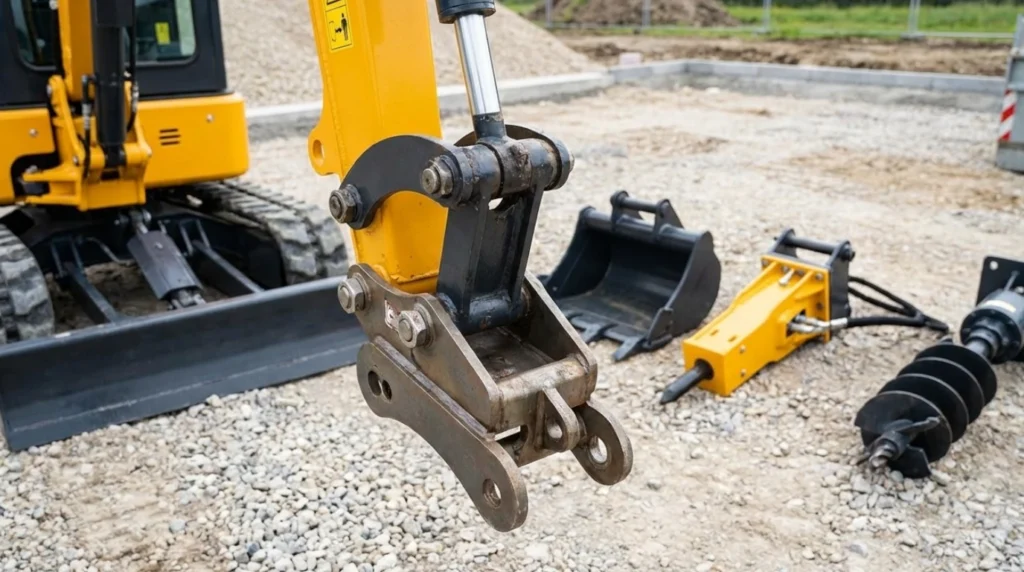
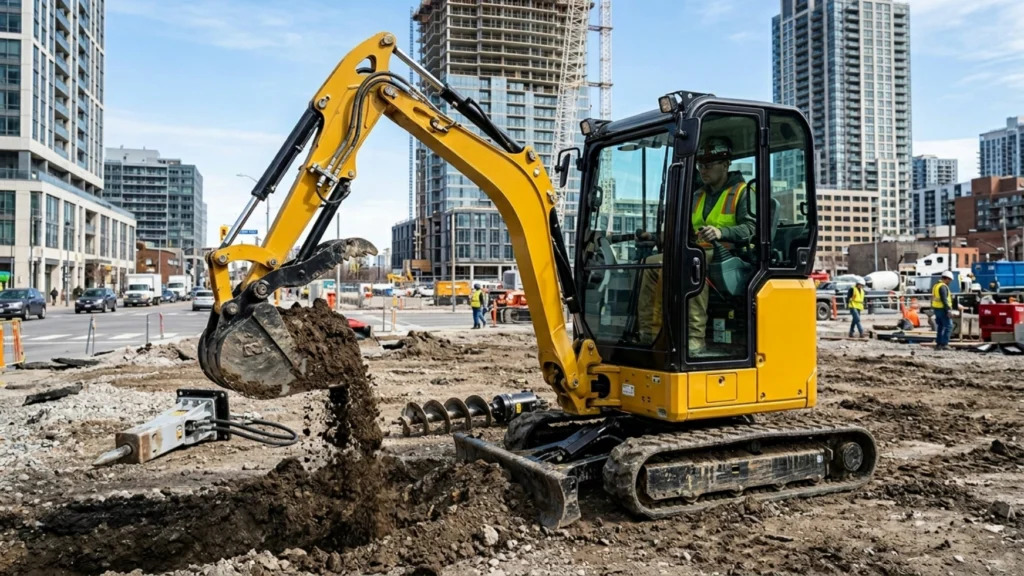



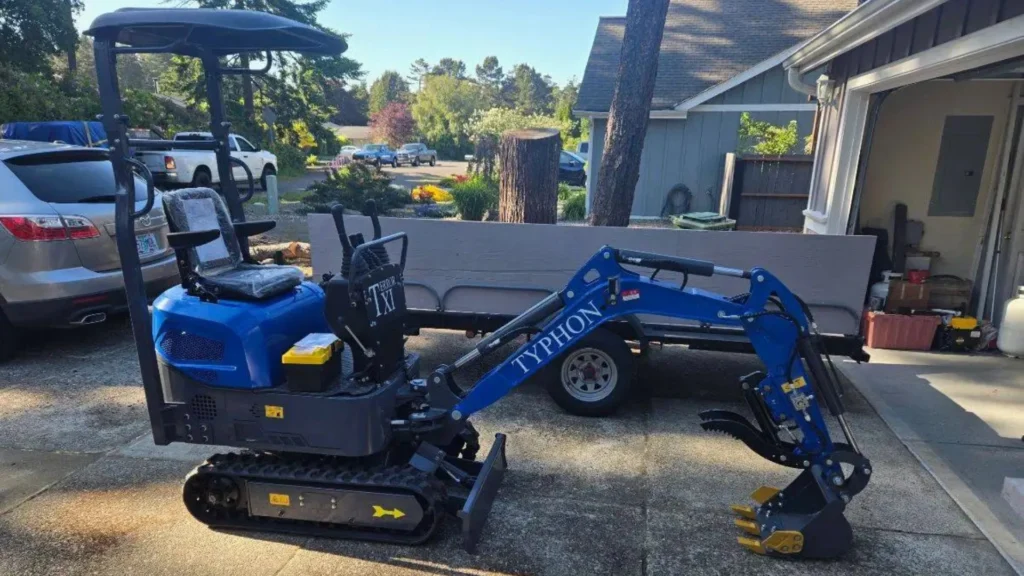
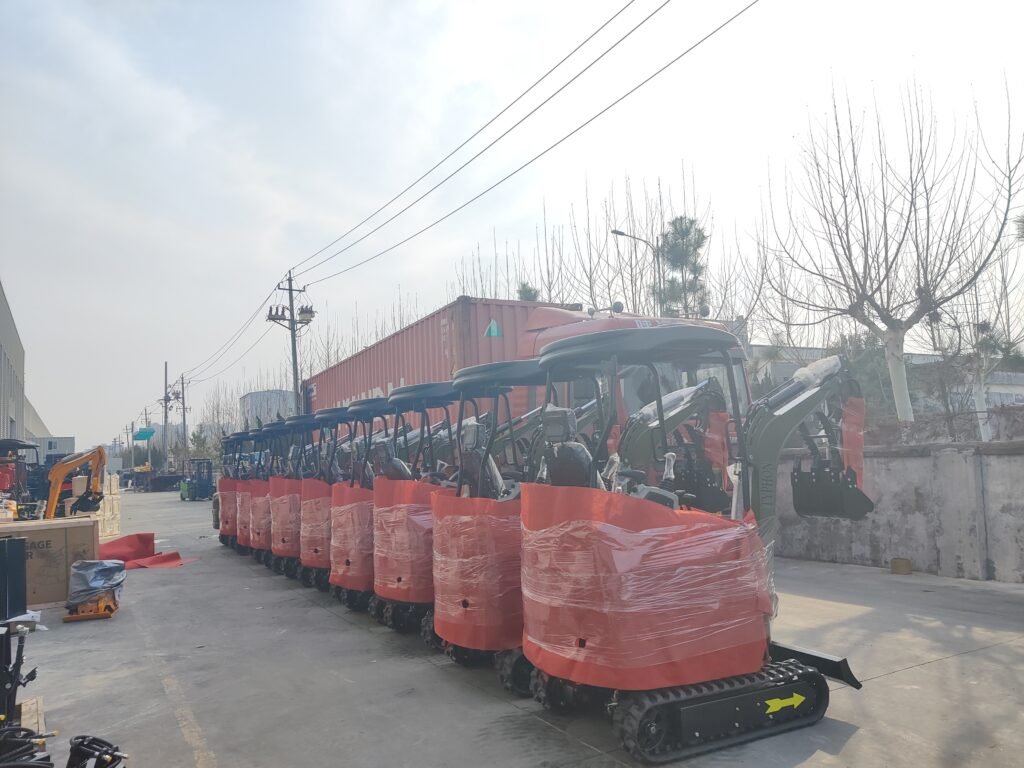
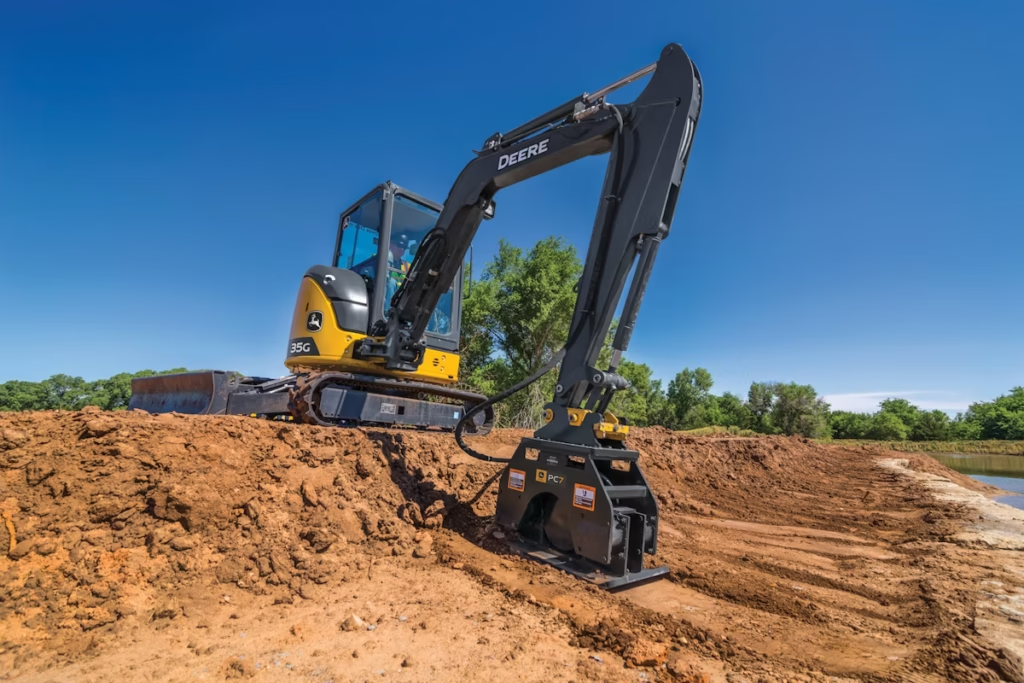
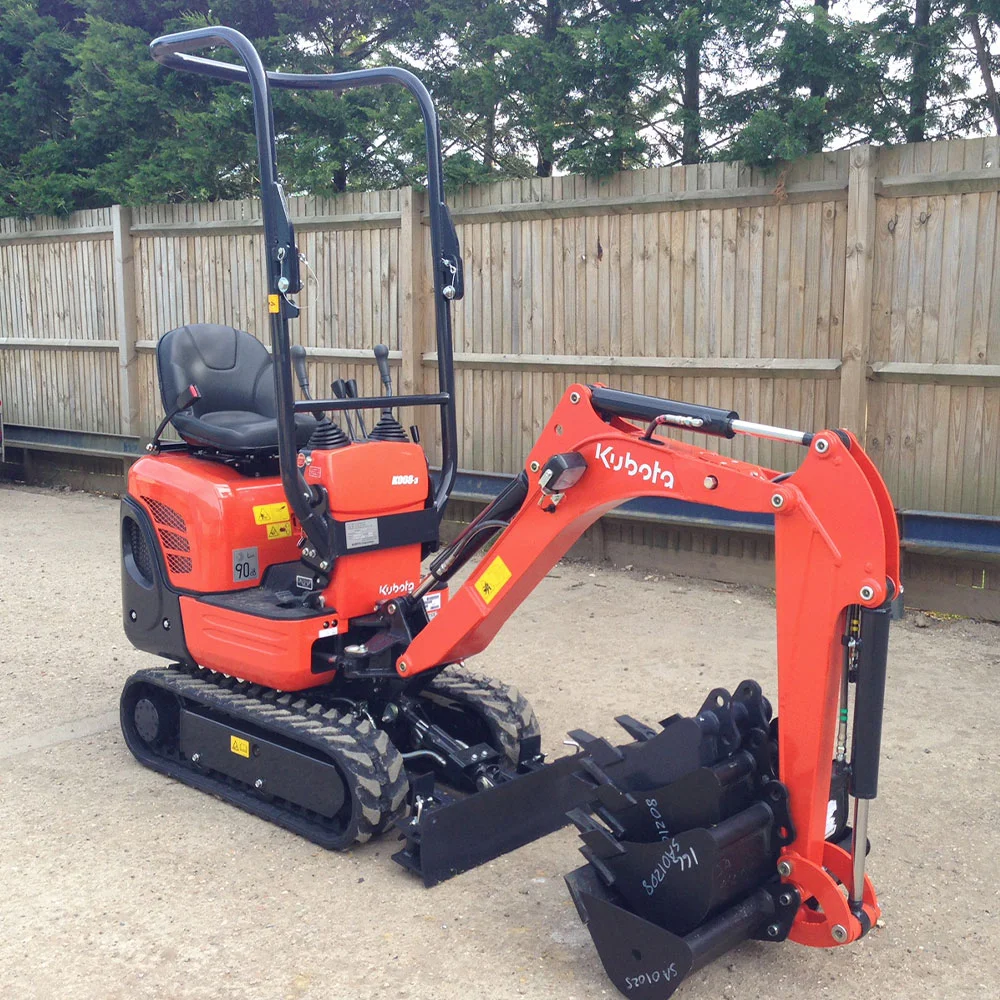

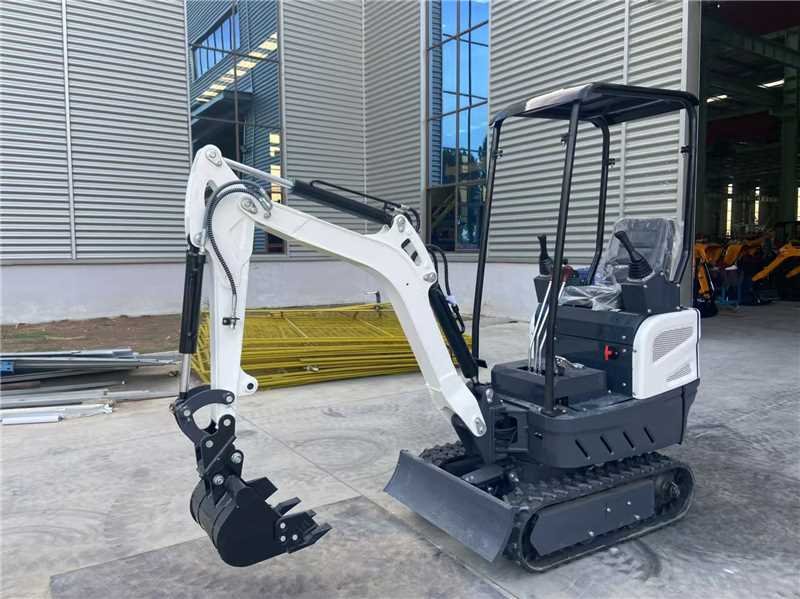























If you’ve been running a mini excavator the old‑fashioned way—with a single bucket, swapping attachments by hand with a hammer and punch—you’re missing out on one of the biggest productivity boosts in compact equipment. The combination of a hydraulic quick coupler and extra auxiliary hydraulic lines turns a simple digging machine into a versatile tool carrier that can switch from trenching to breaking to grading in seconds, all without leaving the cab.
In 2026, these features are no longer reserved for large excavators. They’re showing up on machines as small as 1.5 tons, and contractors who embrace them are seeing faster job completion, reduced labor strain, and a serious uptick in profitability. Let’s break down what these systems do, why they matter, and how to choose the right setup for your work.
What Is a Hydraulic Quick Coupler?
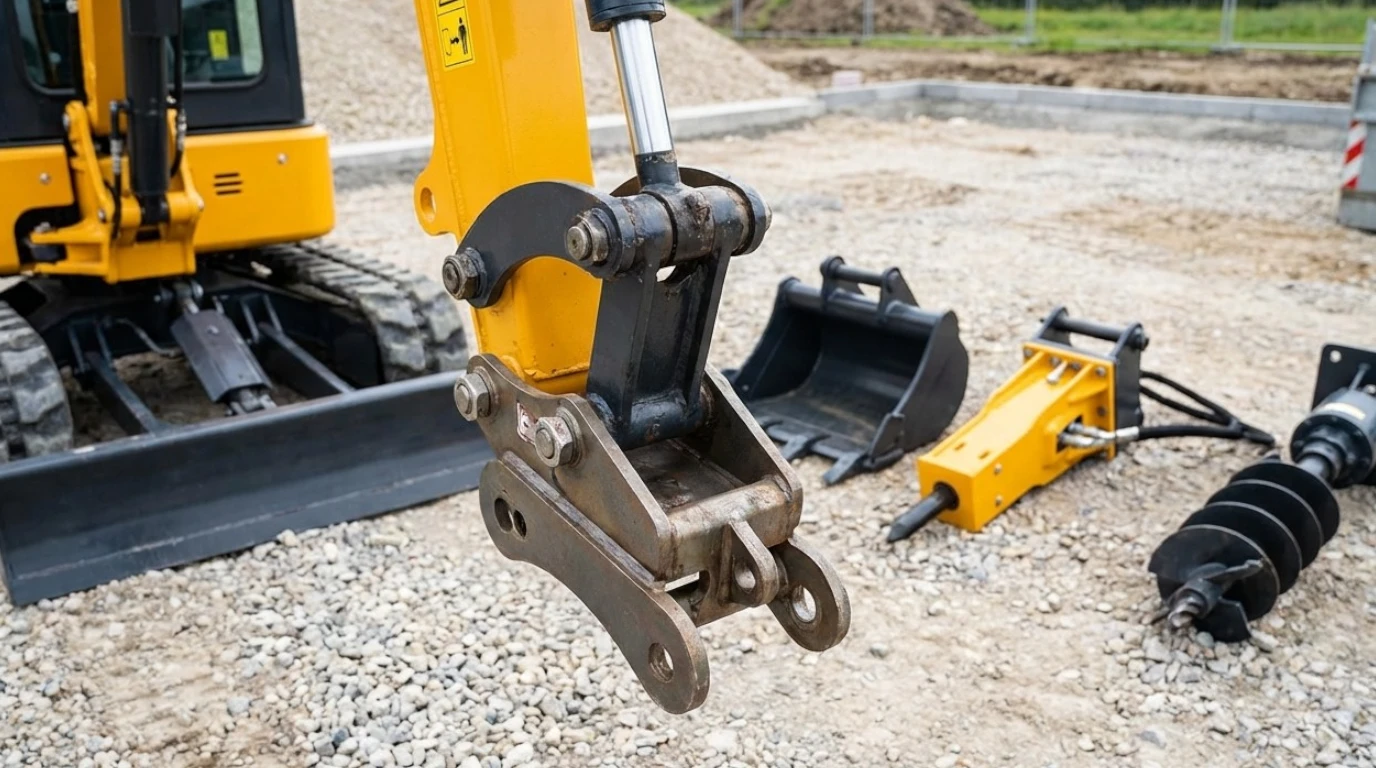
A quick coupler (also called a quick hitch) is a device that attaches to the end of your excavator’s arm, replacing the traditional pin‑on bucket connection. Instead of manually aligning pins and driving them in with a sledgehammer, you use a hydraulic cylinder (or in some cases a manual lever) to lock and unlock attachments.
Hydraulic quick couplers take it a step further. They allow the operator to stay in the cab, press a button, and release one attachment—then pick up another without ever getting out. The coupler uses the machine’s auxiliary hydraulics to operate its locking mechanism, making attachment changes a matter of seconds rather than minutes (or tens of minutes).
Manual vs. Hydraulic: The Key Difference
Manual quick couplers still require you to exit the cab to engage or disengage a safety pin or lever. They’re faster than pin‑on systems but slower than hydraulic.
Hydraulic quick couplers are fully cab‑controlled. You flip a switch, the coupler unlocks, you dump the attachment, pick up a new one, and lock it—all from the comfort of your seat.
For contractors who swap attachments multiple times a day, the hydraulic version quickly pays for itself in time saved and reduced physical fatigue.
The Role of Auxiliary Hydraulic Lines
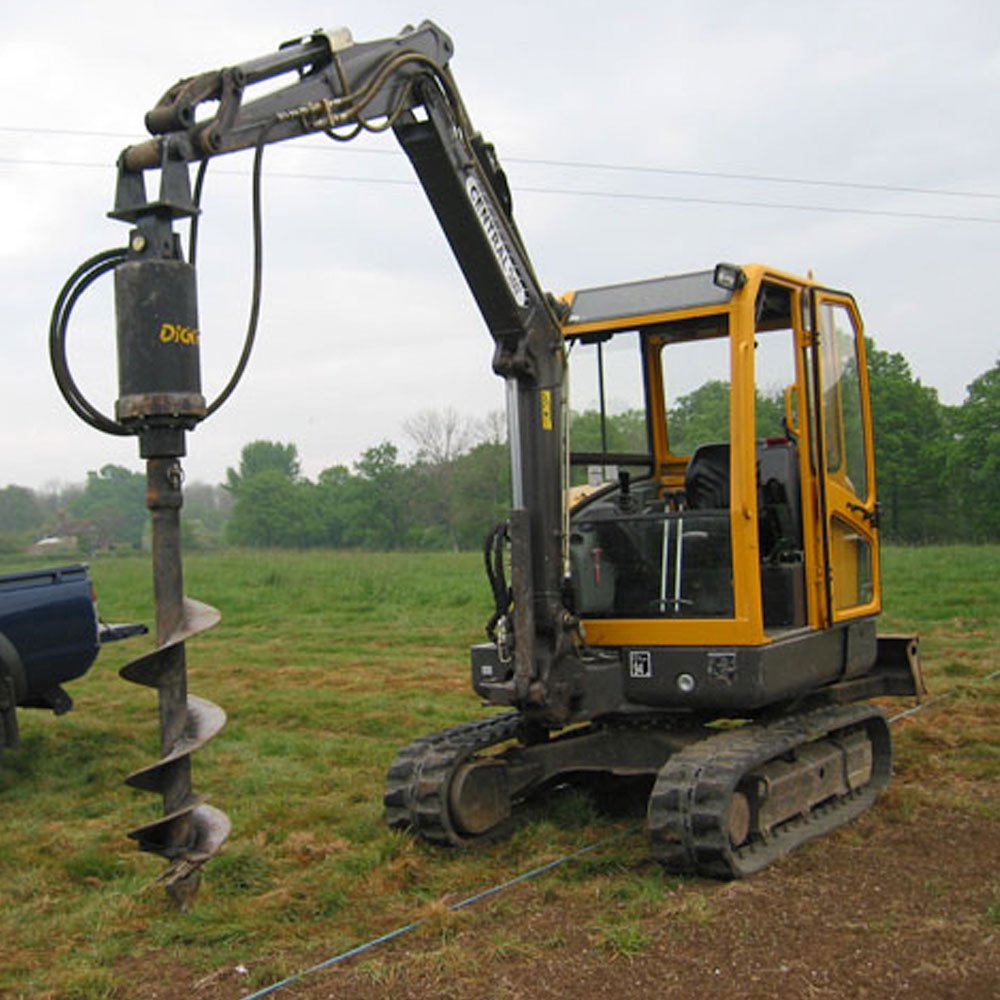
A quick coupler is only half the story. To run powered attachments—like hydraulic breakers, augers, compactors, shears, or tilt rotators—you need auxiliary hydraulic lines running down the arm to deliver oil flow and pressure.
Most mini excavators come with at least one set of auxiliary lines (often called “aux hydraulics”) that are controlled by a foot pedal or a roller switch on the joystick. But advanced setups now include dual auxiliary lines or even three‑line systems that allow simultaneous operation of multiple functions.
Why Extra Lines Matter
Tilt rotators (like Engcon, Rototilt, or Steelwrist) require one circuit for the rotation function and another for the tilt function—and sometimes a third for a powered attachment like a compactor or grapple. With a standard single‑aux machine, you can’t fully utilize a tilt rotator.
Multi‑processors (e.g., a rotating grapple with a built‑in shear) also demand separate hydraulic circuits to control rotation, gripping, and cutting independently.
Future‑proofing: Even if you don’t need dual aux today, having the extra lines installed from the factory (or pre‑plumbed) makes it easy to add advanced attachments later without expensive retrofits.
Real‑World Benefits: Time, Safety, and Capability
1. Time Savings
Imagine a typical day: you start with a trenching bucket, then need a hydraulic breaker to break up old concrete, then switch to a grading bucket to backfill, and finally a tilt rotator to fine‑grade a drainage swale. With pin‑on attachments, that’s four separate sessions of wrestling heavy steel with a sledgehammer—easily 20–30 minutes of downtime. With a hydraulic quick coupler and dual aux lines, each change takes under 30 seconds. Over a week, that adds up to hours of productive time recovered.
2. Operator Safety & Fatigue
Climbing in and out of a cab to change attachments is not only time‑consuming but also physically demanding. Handling heavy buckets and pins increases the risk of pinch points, dropped loads, and back strain. Staying in the cab with a hydraulic coupler eliminates nearly all of that risk.
3. Expanded Capability
A mini excavator with dual auxiliary lines and a hydraulic coupler can take on work that once required a larger machine. Tilt rotators, for instance, let you grade, ditch, and backfill with millimeter precision using the same machine that dug the trench. You’re no longer limited to “digging only”—you become a grading, demolition, and material handling specialist all in one compact package.
What to Look for When Buying or Spec’ing a Machine
If you’re in the market for a new mini excavator (or considering upgrading your current one), here’s what to keep in mind regarding quick couplers and auxiliary hydraulics.
1. Factory‑Integrated vs. Aftermarket
Many manufacturers now offer factory‑installed hydraulic quick couplers as an option. These are typically designed to work seamlessly with the machine’s hydraulics and control system, and they come with the benefit of warranty coverage. Aftermarket couplers are also available, but ensure they are compatible with your machine’s hydraulic flow and that they don’t interfere with the OEM’s safety systems.
2. Auxiliary Circuit Configuration
Check how many auxiliary circuits the machine supports. Some machines offer:
Single auxiliary (one‑way / two‑way): Suitable for breakers, augers, compactors (simple tools).
Dual auxiliary (two independent circuits): Required for tilt rotators and multi‑function grapples.
Third‑line or proportional circuits: Provides finer control for attachments that need variable flow (like a rotating grapple with proportional grip).
Also confirm how the aux circuits are controlled. Joystick‑mounted rocker switches or proportional thumb wheels offer much better ergonomics than foot pedals, especially when you’re using the attachment all day.
3. Coupler Compatibility Across Attachments
If you already own a fleet of attachments, ensure the coupler you choose is compatible with them—or be prepared to modify your attachments to fit a common “coupler system.” Many contractors standardize on a specific coupler brand (e.g., Werk‑Brau, Miller, or their OEM’s system) so all buckets and tools swap freely between machines.
4. Machine Size Matters
For machines under 2 tons, a hydraulic quick coupler adds weight that may reduce lifting capacity slightly, but the productivity gains usually outweigh the trade‑off. In the 3‑ to 6‑ton class, hydraulic couplers and dual aux are increasingly considered standard equipment for any serious contractor.
The Future: Smarter, Faster, More Integrated
The trend toward hydraulic couplers and expanded auxiliary lines is accelerating. In 2026, we’re seeing:
Integrated machine control systems that automatically recognize which attachment is connected and adjust hydraulic flow, joystick mapping, and even machine stability settings accordingly.
Wireless coupler systems that use a remote or a smartphone app to verify locking status, giving operators an extra layer of confidence.
Standardized coupler interfaces across multiple brands, making attachment sharing between different makes of excavators easier than ever.
As tilt rotators and other advanced attachments become more common in the compact market, the demand for factory‑equipped dual‑aux and hydraulic couplers will only grow.
Bottom Line: Don’t Spec a Mini Excavator Without Them
If you’re buying a new mini excavator in 2026 and you plan to do more than just dig a few holes, a hydraulic quick coupler and at least one set of auxiliary hydraulics should be non‑negotiable. If your budget allows, spring for dual auxiliary lines and a factory‑integrated coupler—you’ll turn your machine into a true multi‑tool platform that adapts to whatever the job site throws at you.
For those already running a machine without these features, retrofitting is often possible and can deliver an excellent return on investment. Talk to your local dealer or a reputable attachment specialist to see what options are available for your specific model.