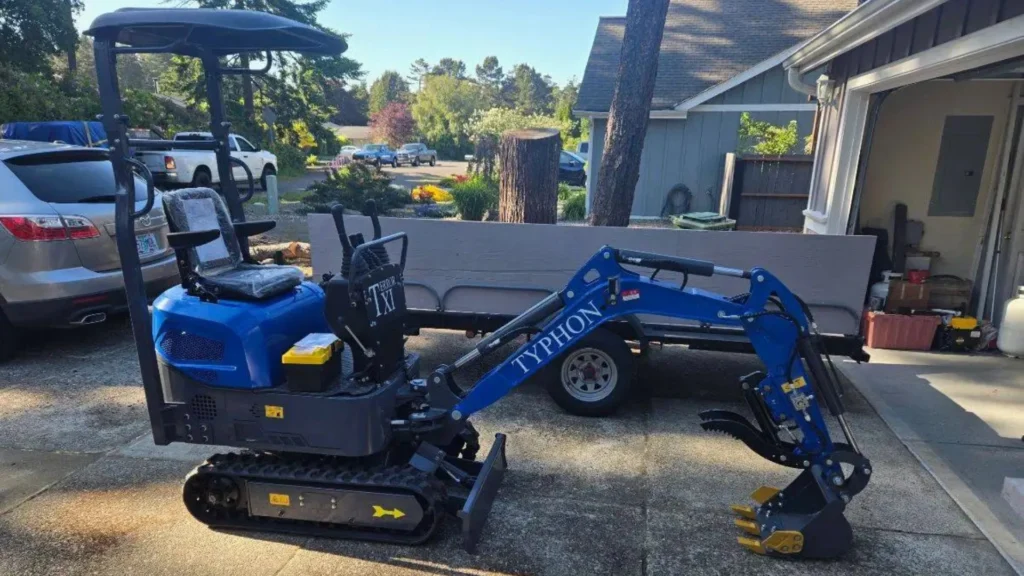
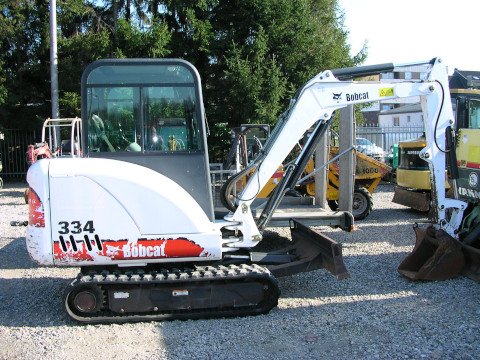
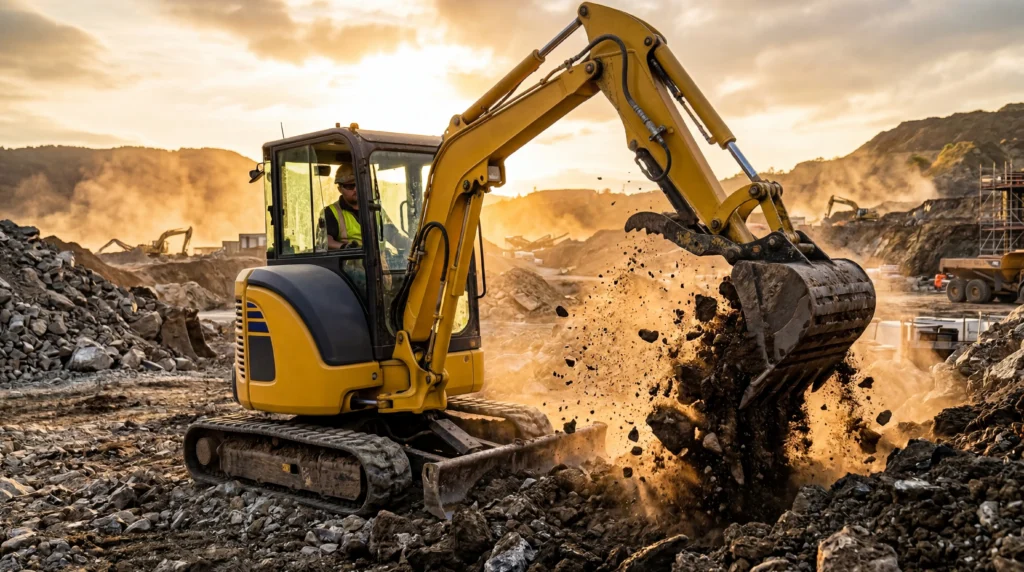
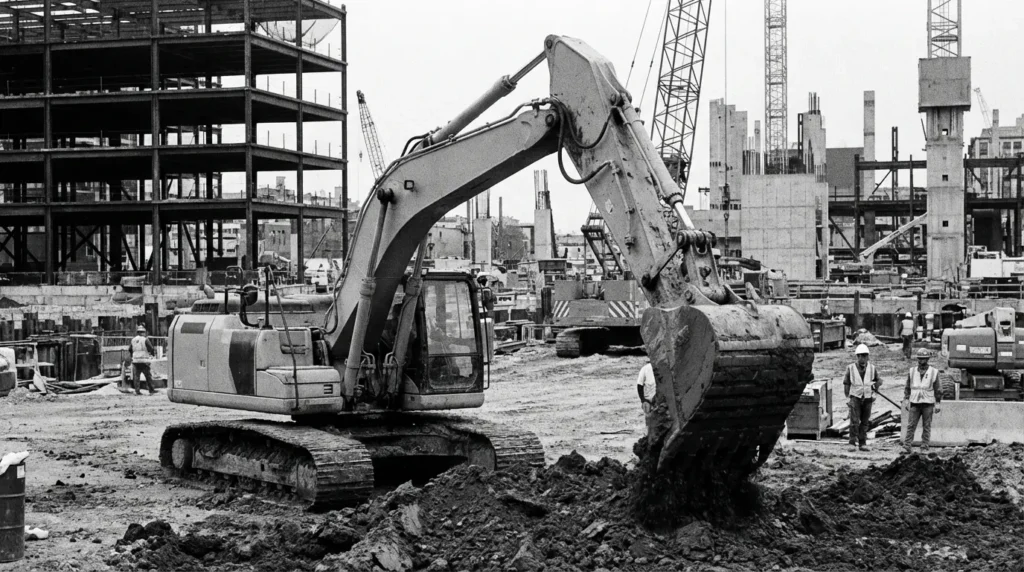
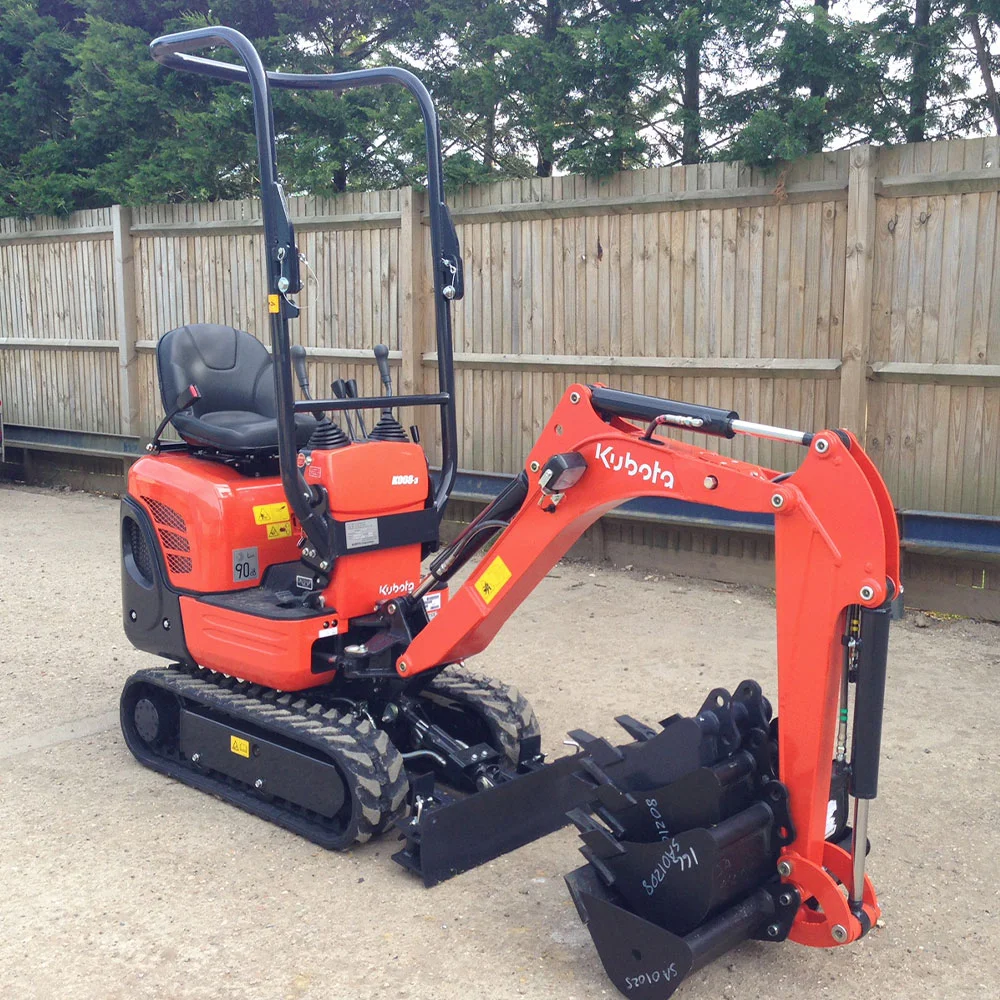
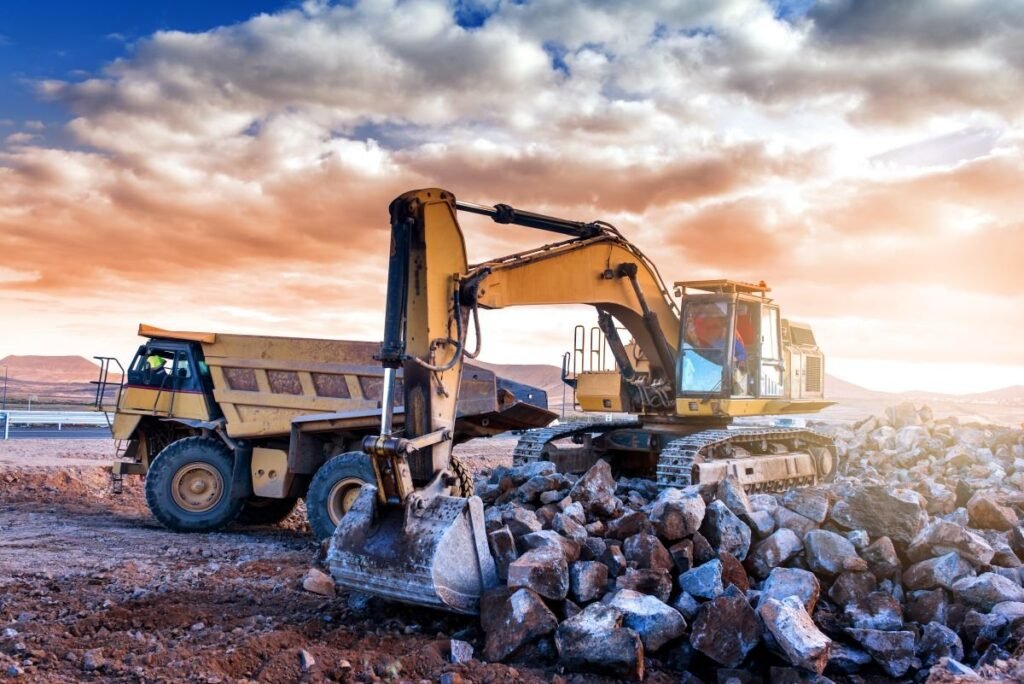
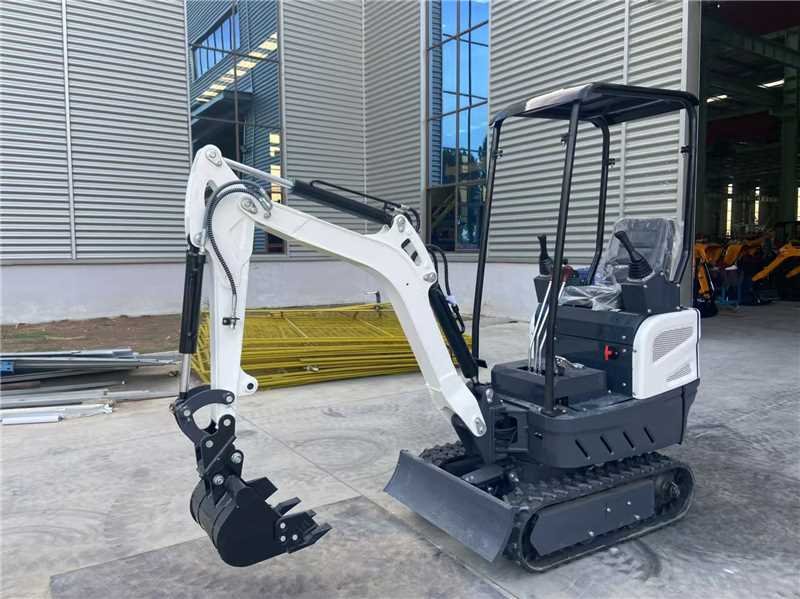
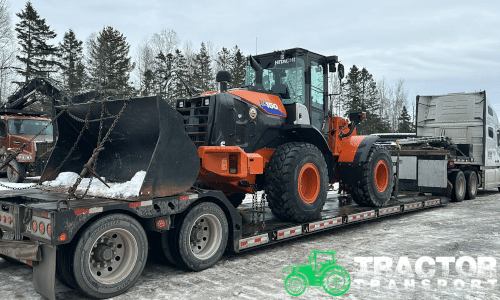
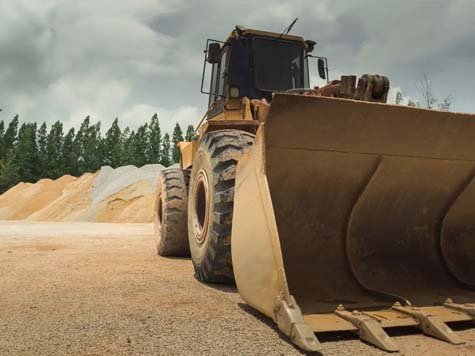
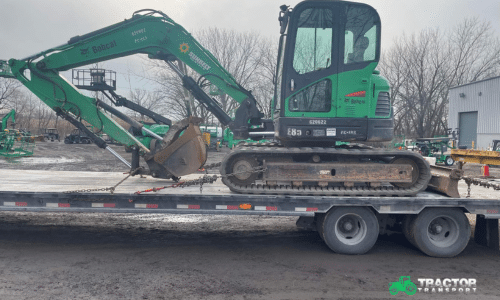
When it comes to excavators, no part is more directly involved in the work than the bucket. Whether digging trenches, moving soil, or loading materials, the bucket is the primary tool that makes an excavator truly functional.
What Is an Excavator Bucket?
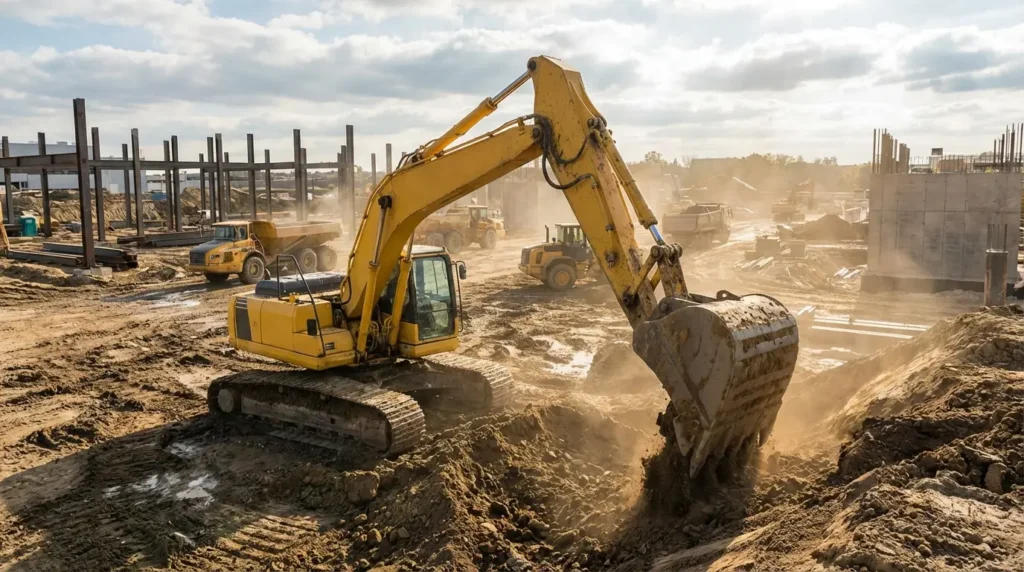
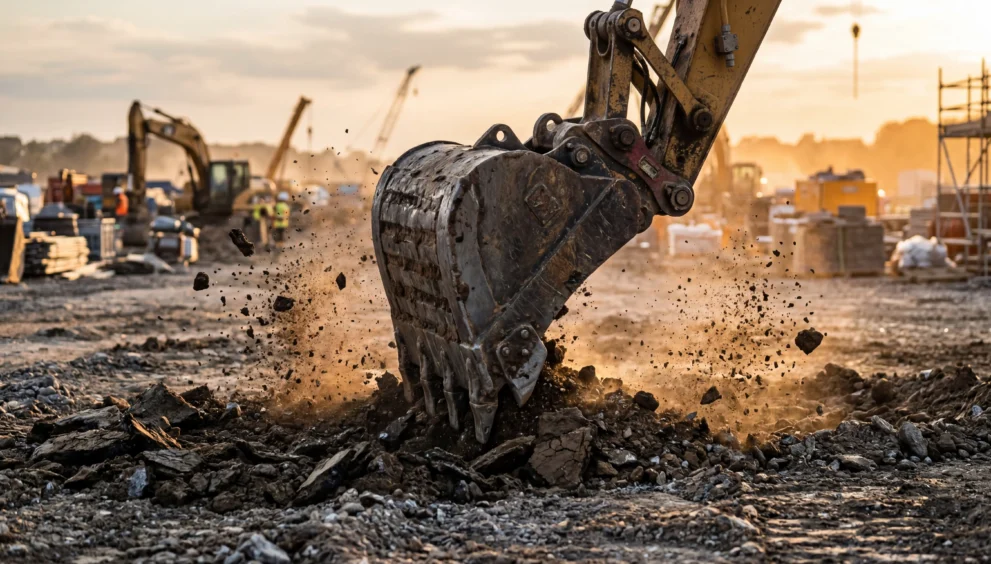
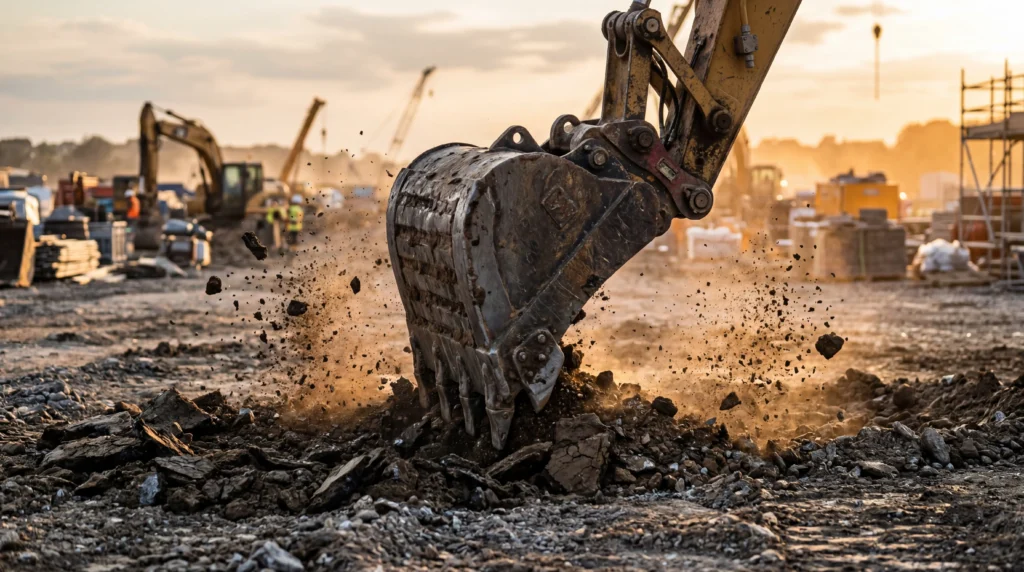
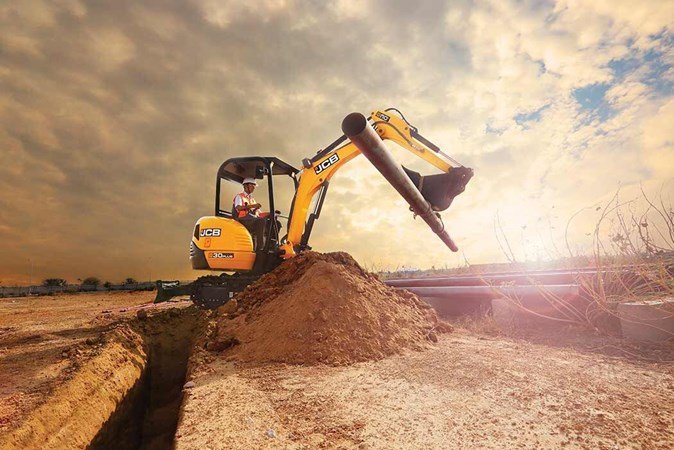
The bucket is the attachment located at the end of the excavator’s arm (stick). It is specifically designed to dig, scoop, and carry materials such as soil, sand, gravel, and debris.
Key Features of a Bucket
A standard excavator bucket includes:
Cutting Edge – The sharp front edge used to penetrate the ground
Teeth – Strong metal tips that improve digging efficiency
Side Cutters – Help protect the bucket and improve cutting performance
Shell (Body) – The curved structure that holds the material
ypes of Excavator Buckets
Different jobs require different buckets. Here are the most common types:
1. Digging Bucket
2. Rock Bucket
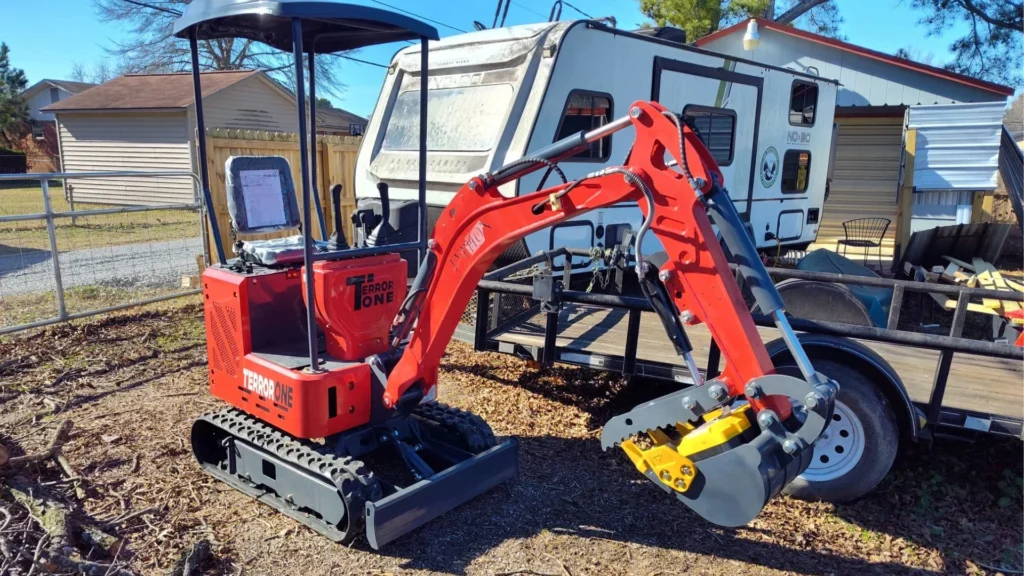
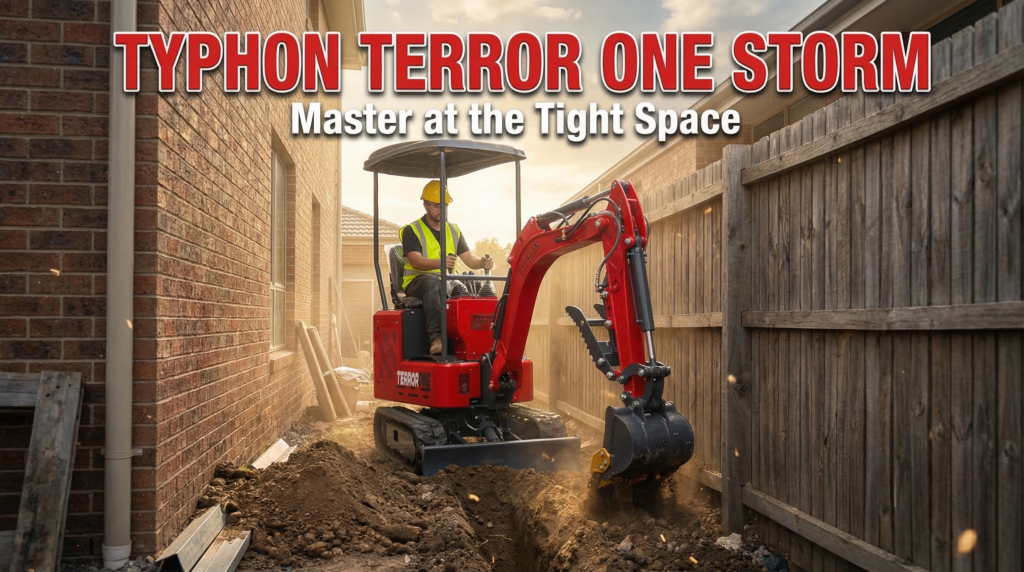
3. Trenching Bucket
- Narrow and deep
- Perfect for digging trenches (pipes, cables)
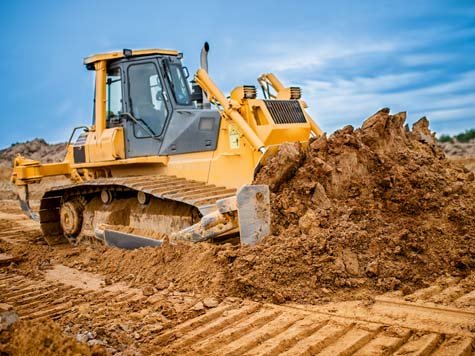
4. Grading Bucket
Why the Bucket Matters
The bucket directly impacts:
Productivity – Faster digging and loading
Efficiency – Less fuel and time wasted
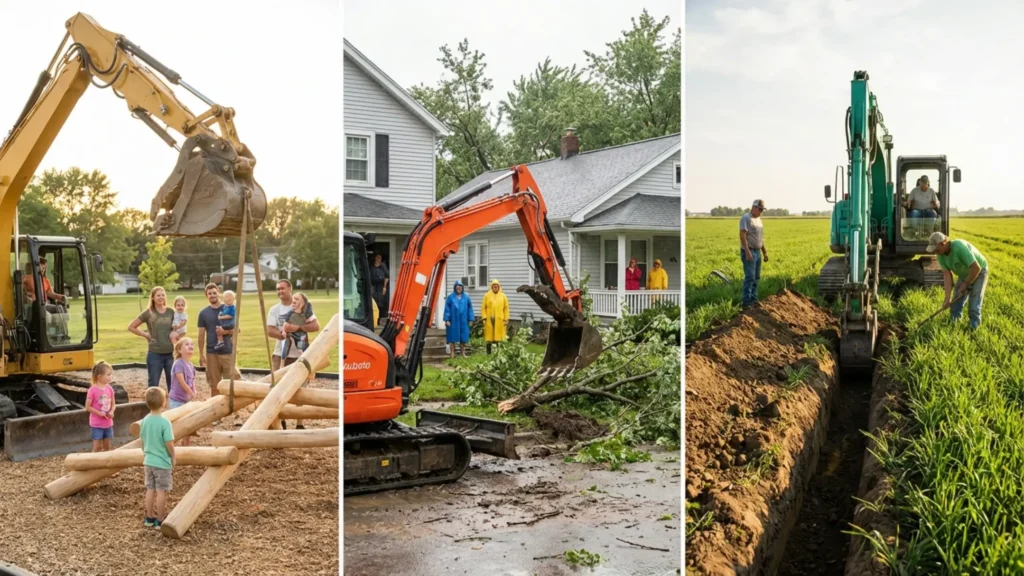
Versatility – Ability to handle different tasks
Maintenance Tips
To keep your bucket in top condition:
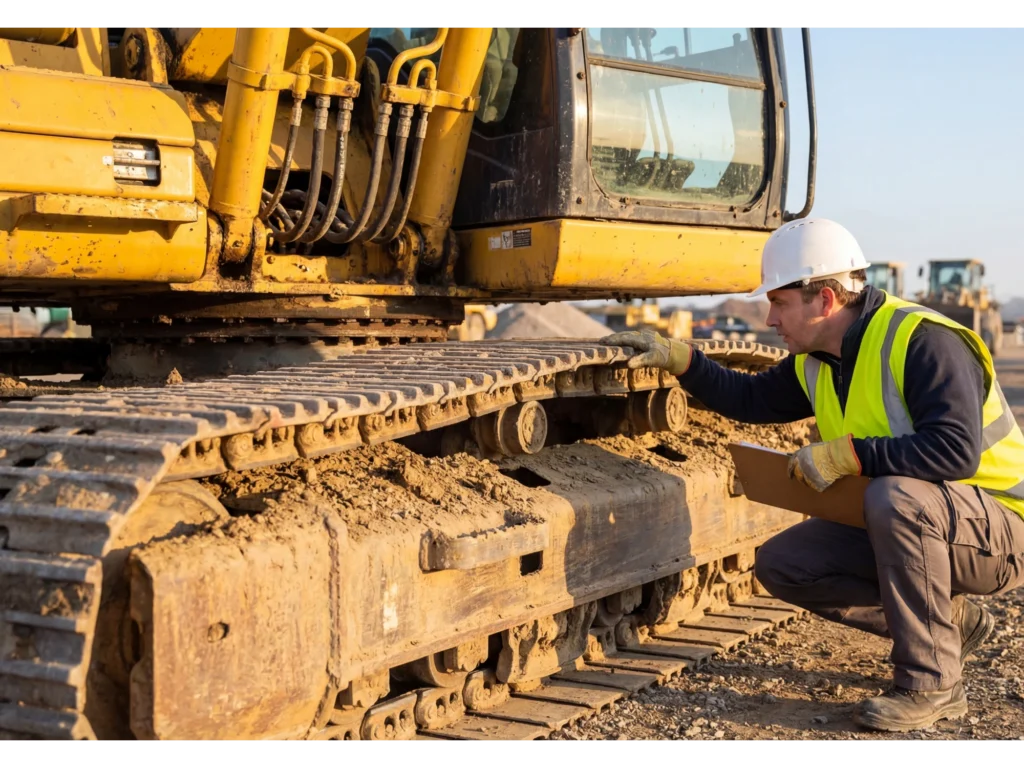
Regularly check for wear on teeth and edges
Replace damaged parts quickly
Clean after heavy use
Inspect for cracks or bending
Conclusion
The excavator bucket may seem simple, but it plays a crucial role in every operation. From digging to grading, it is the part that directly interacts with the job site.
Investing in the right type of bucket — and maintaining it properly — ensures better performance, efficiency, and long-term reliability.
 English