 English






























Excavators Continue to Play a Central Role in Modern Construction Projects

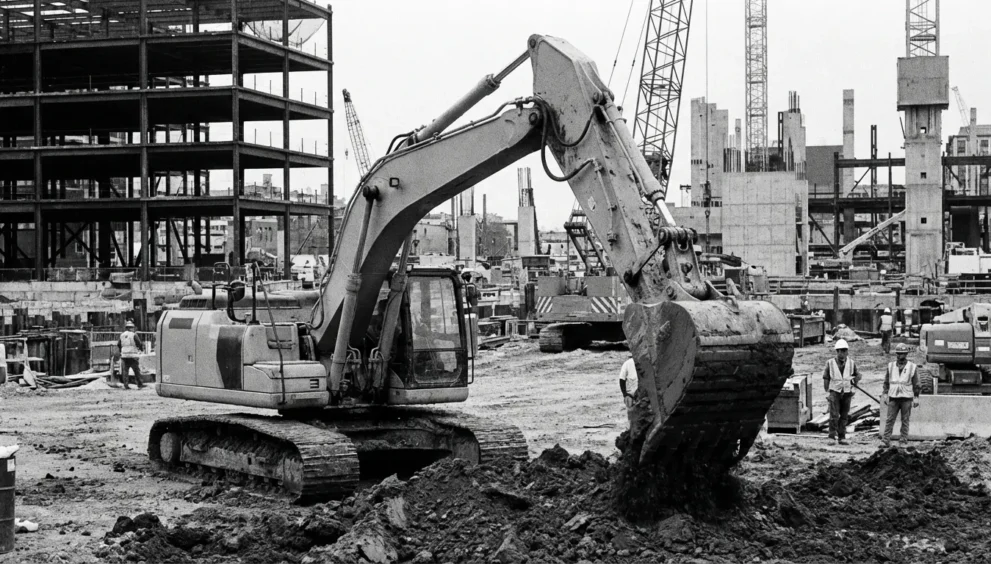
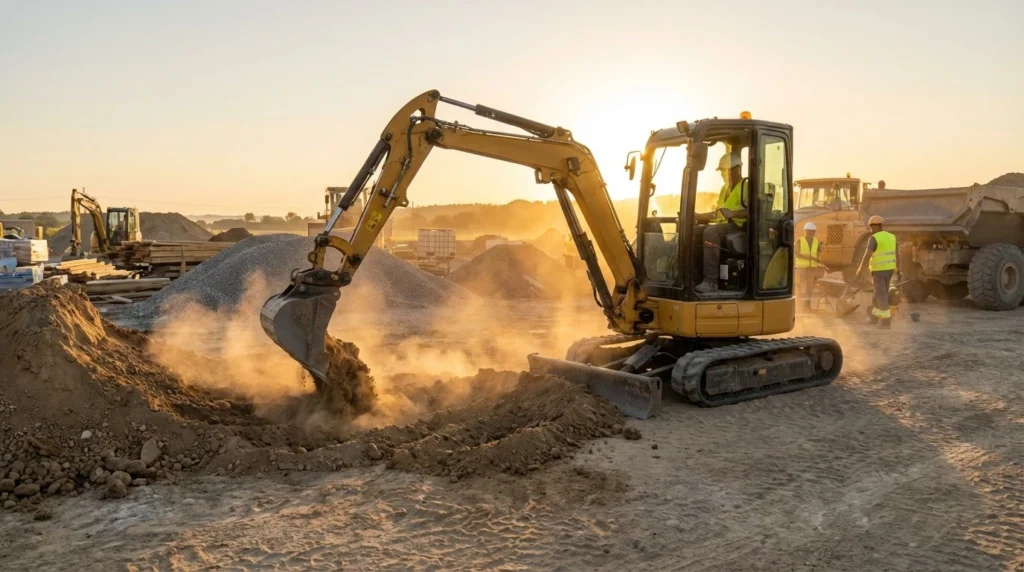
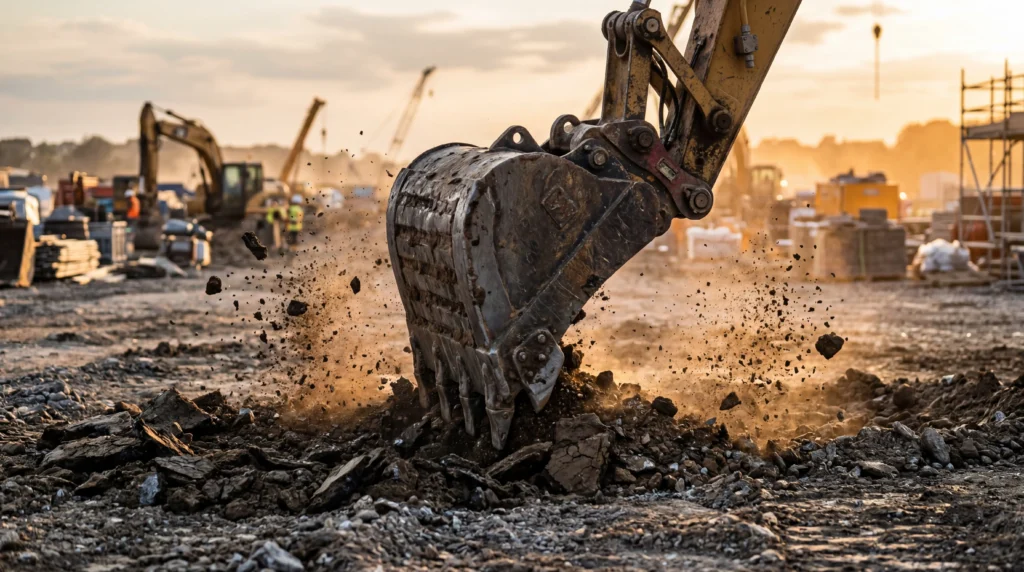
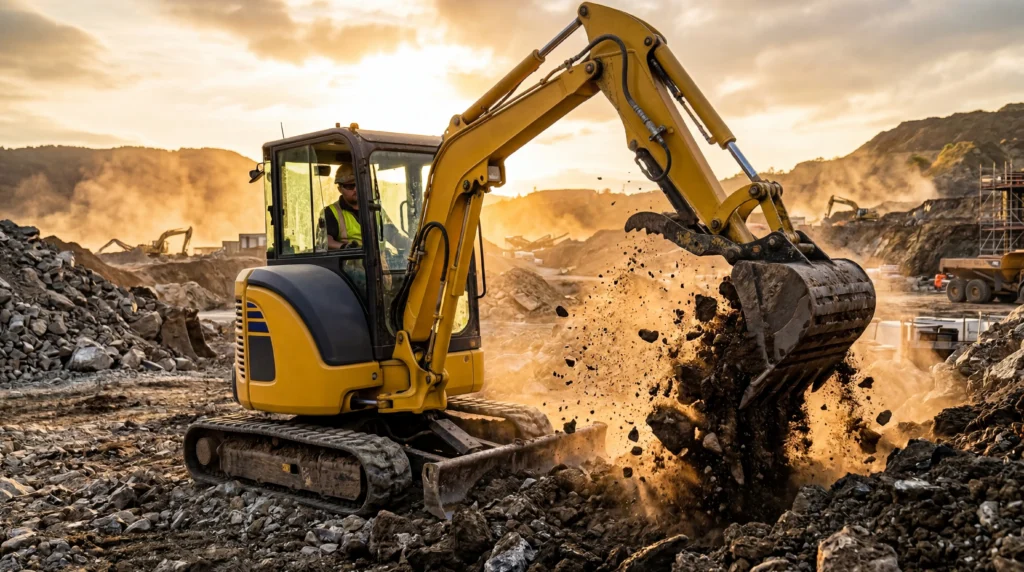
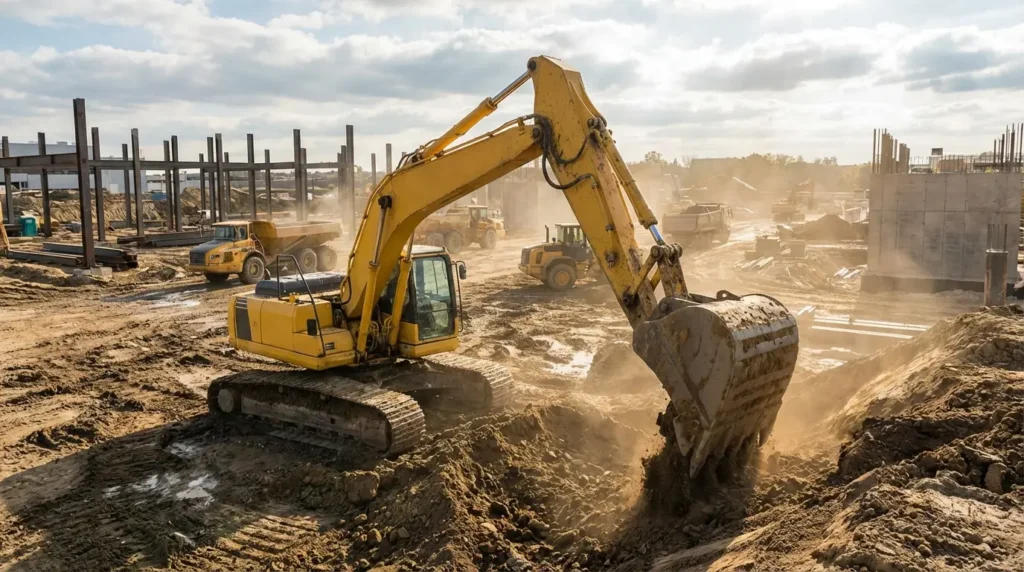
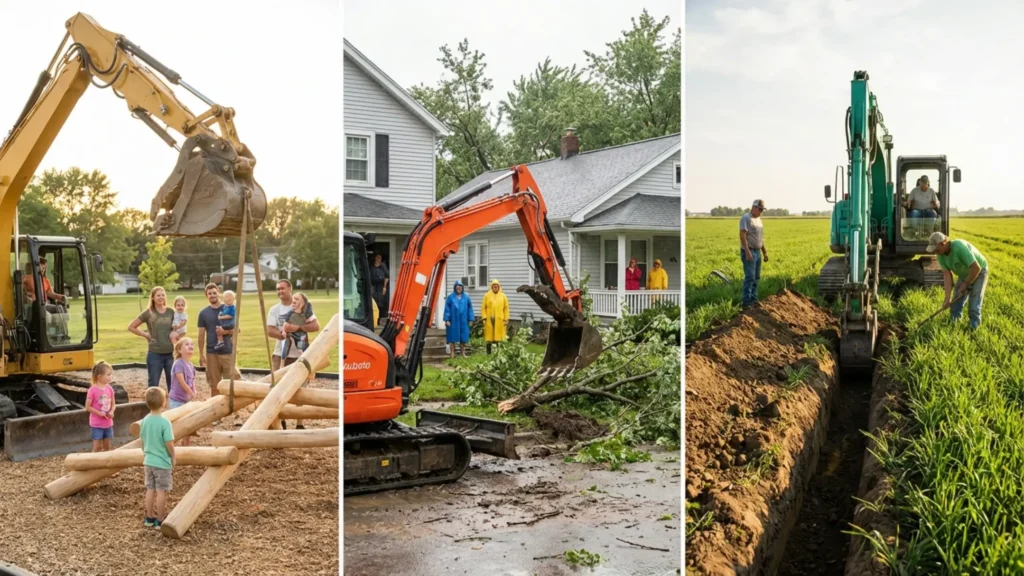
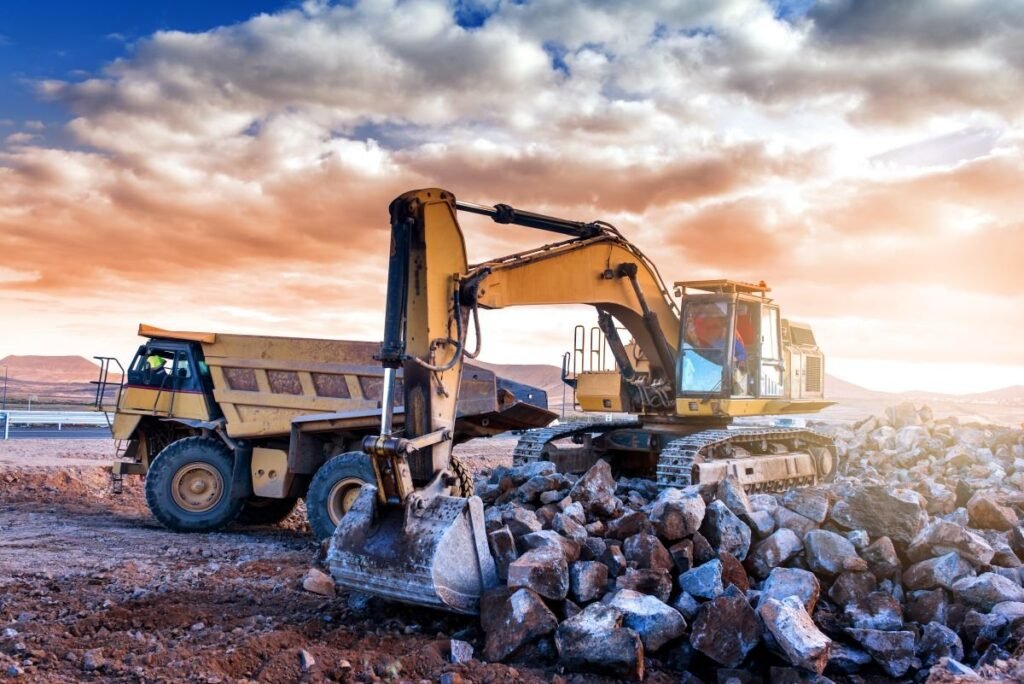
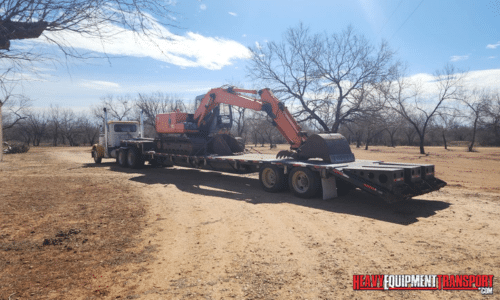
Excavators continue to hold a major position in construction and infrastructure projects as contractors rely on them for digging, lifting, demolition, and site preparation across a wide range of job sites.
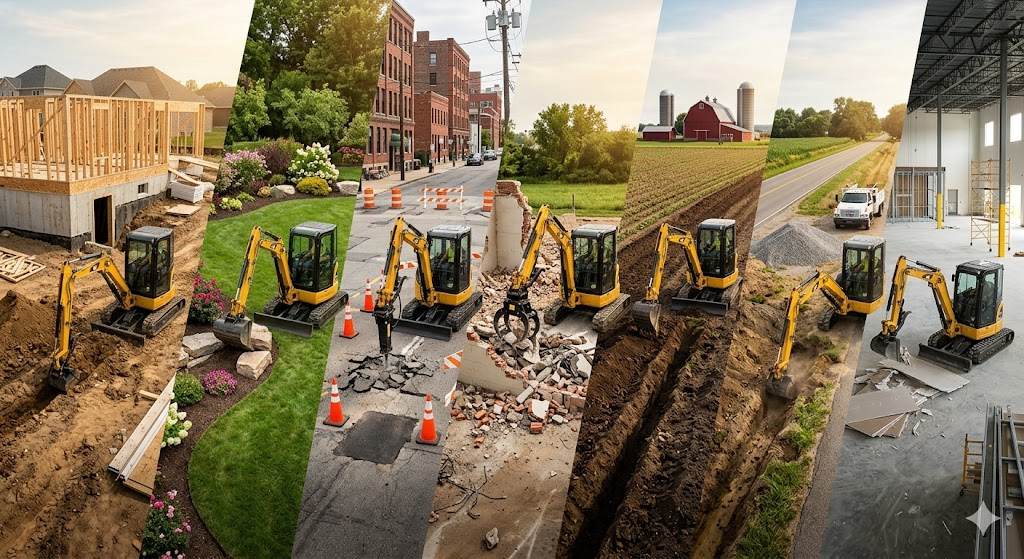
Known for their power and versatility, excavators remain one of the most widely used machines in the heavy equipment sector. From urban building developments to large-scale roadwork and industrial operations, these machines are often among the first to arrive on site and one of the last to leave.
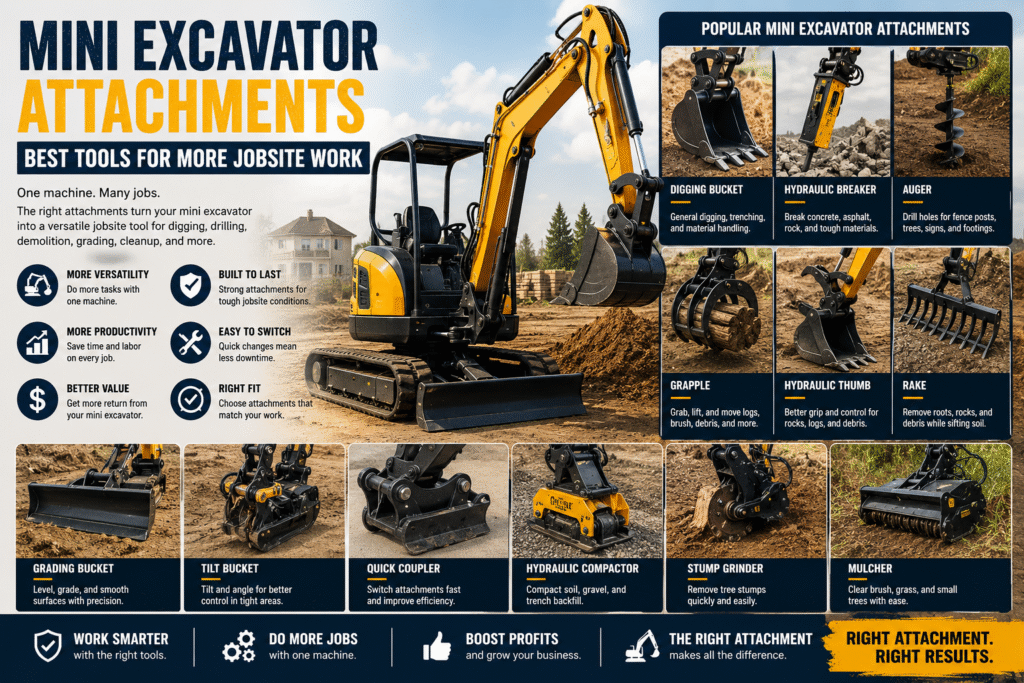
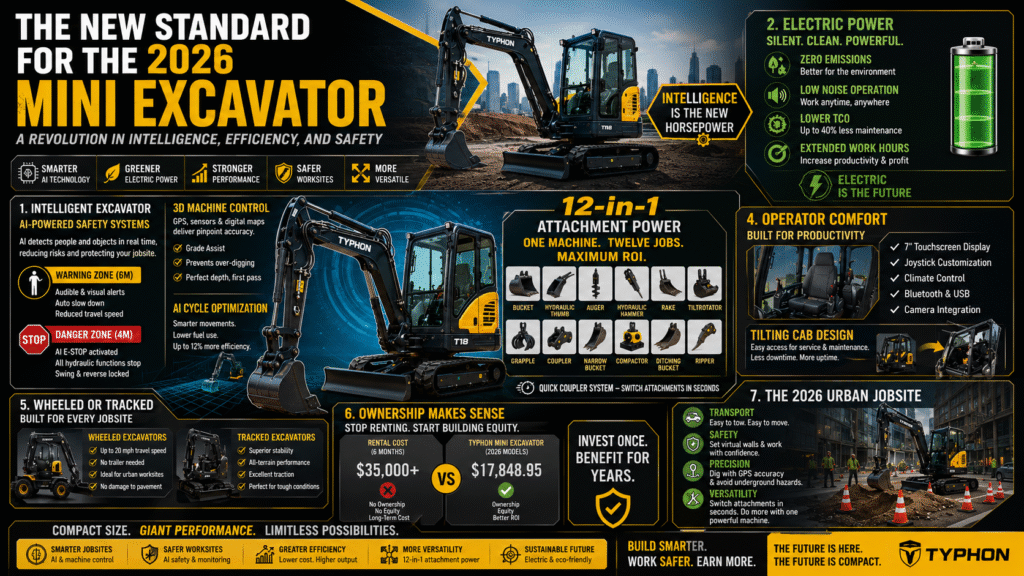
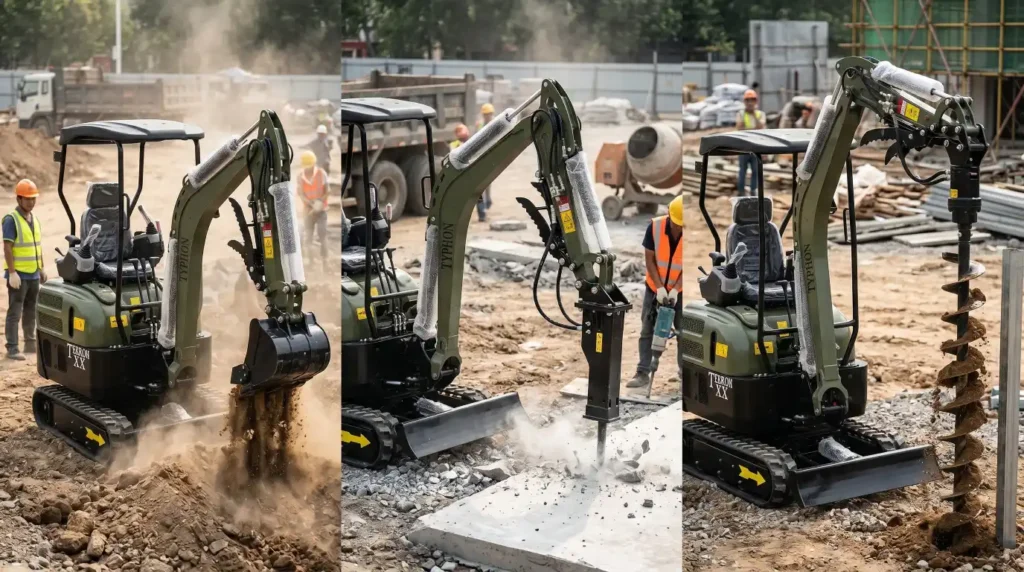
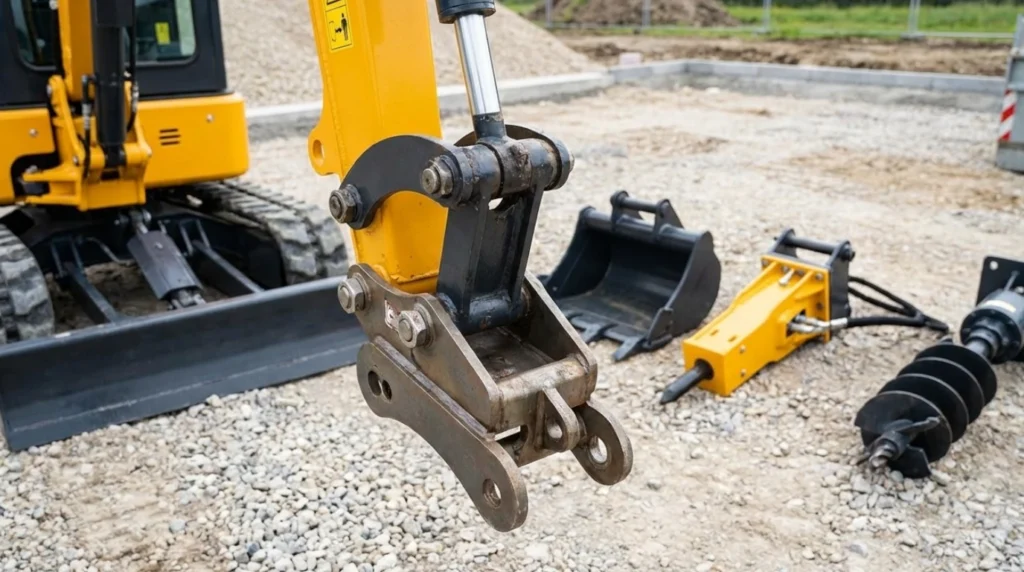
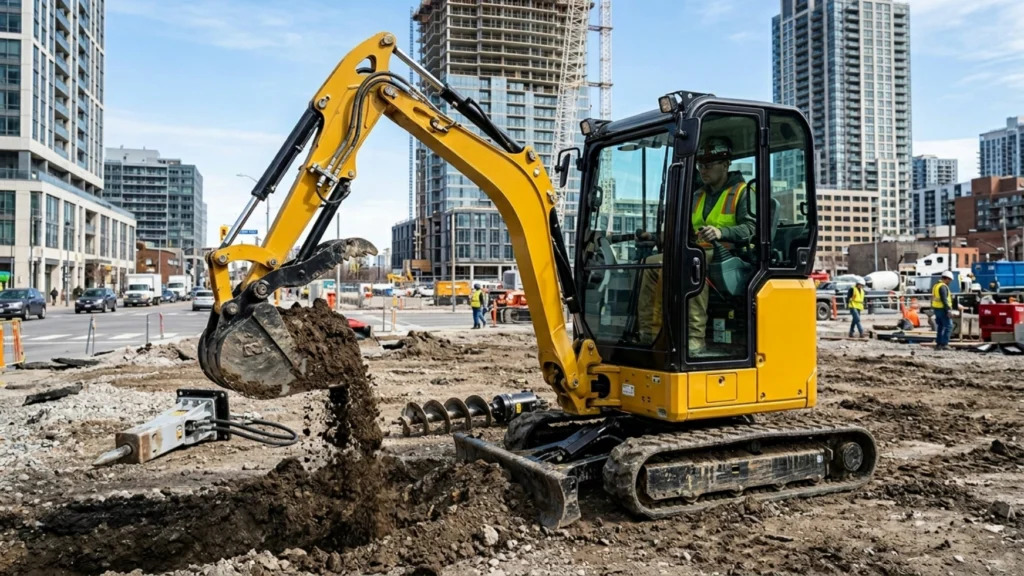
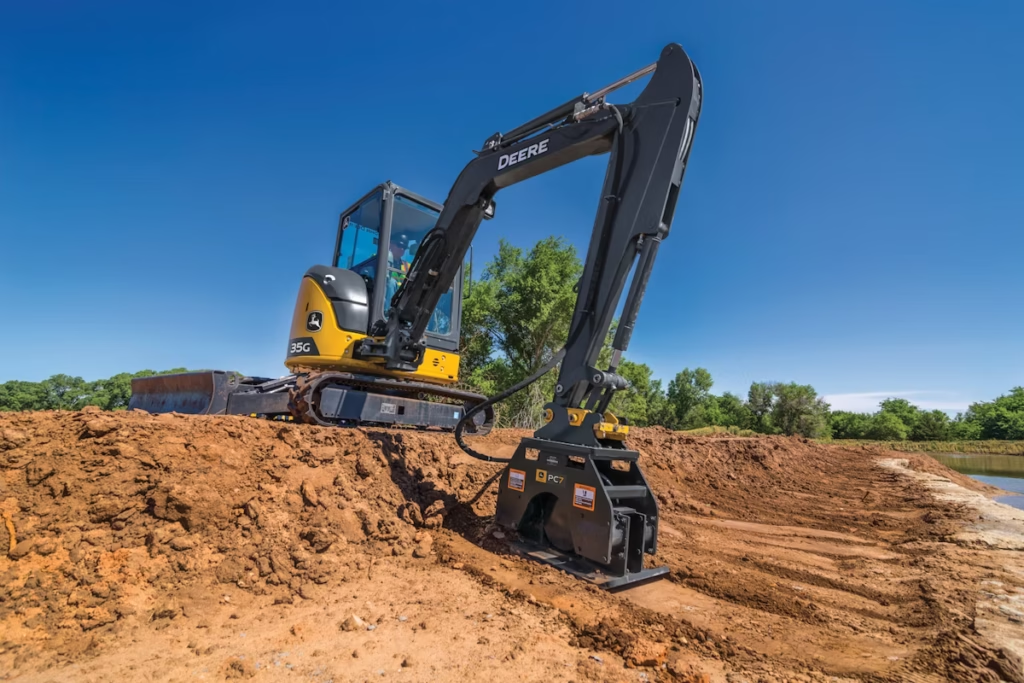
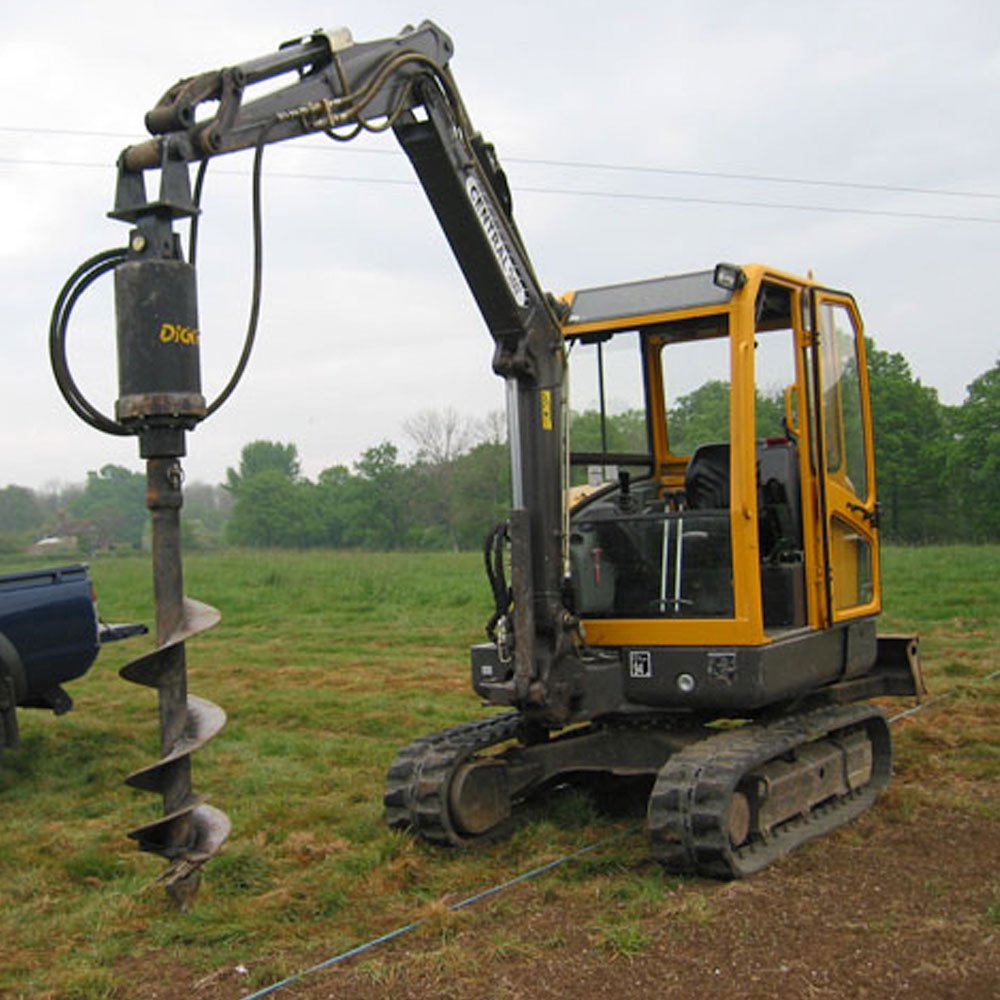
Industry professionals view excavators as essential because they can perform multiple tasks with efficiency and precision. While the bucket remains the most recognized attachment, modern excavators can also be equipped with breakers, grapples, augers, and other tools that expand their role far beyond excavation alone.
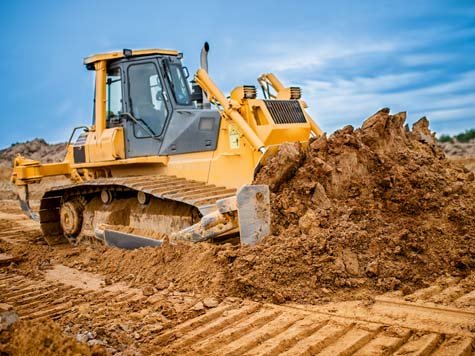
Their continued importance comes from the practical demands of construction work. Before structures can be built, the land often needs to be cleared, shaped, or prepared. Excavators are designed for exactly that purpose, making them a key part of the early stages of many projects.
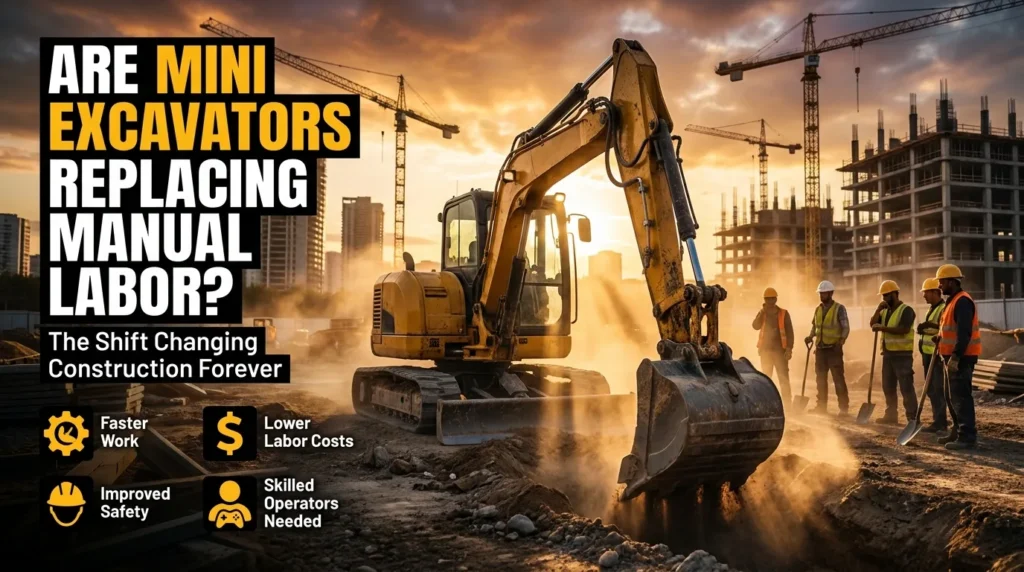
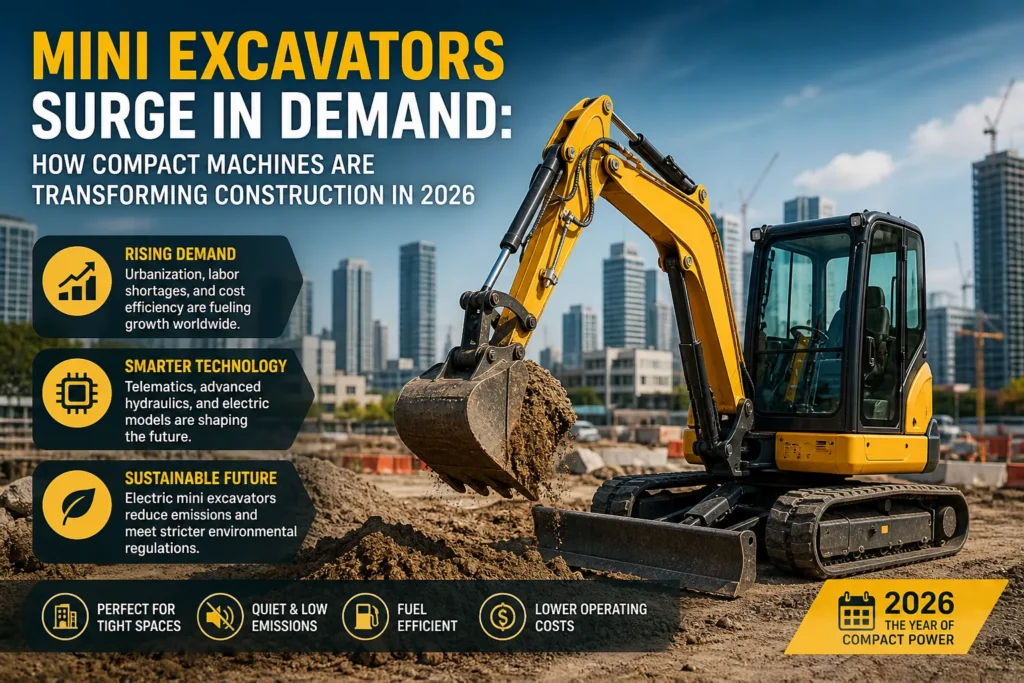
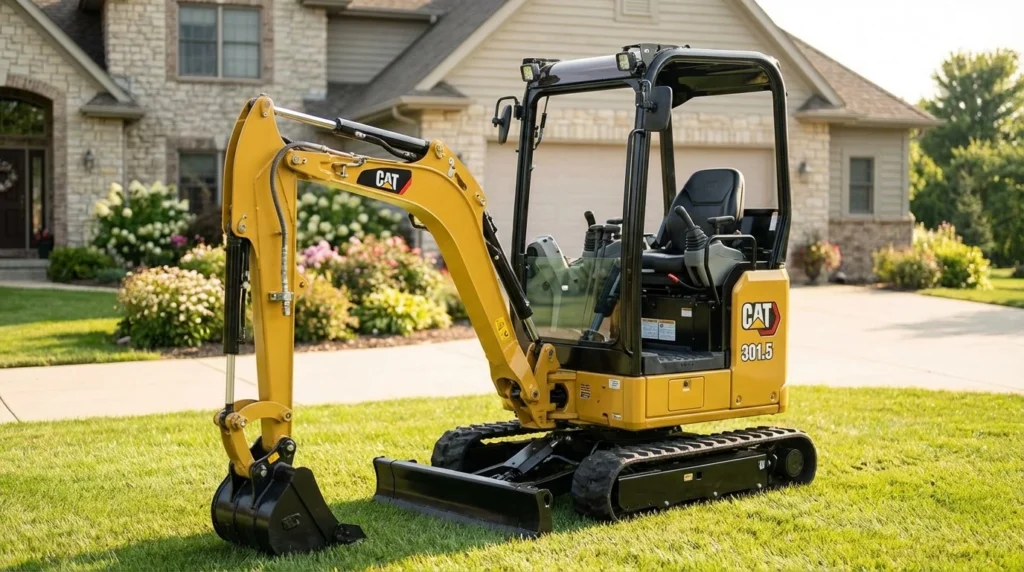
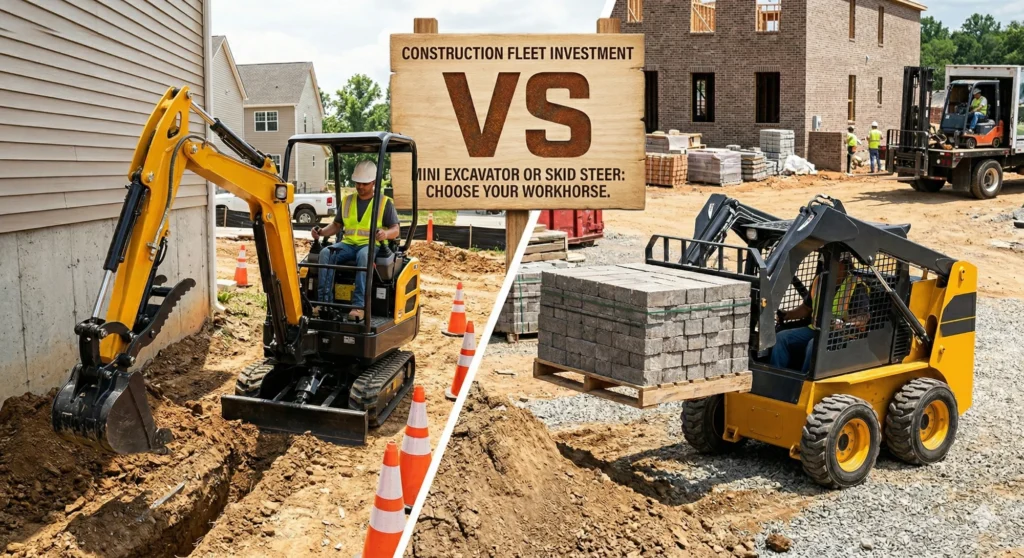
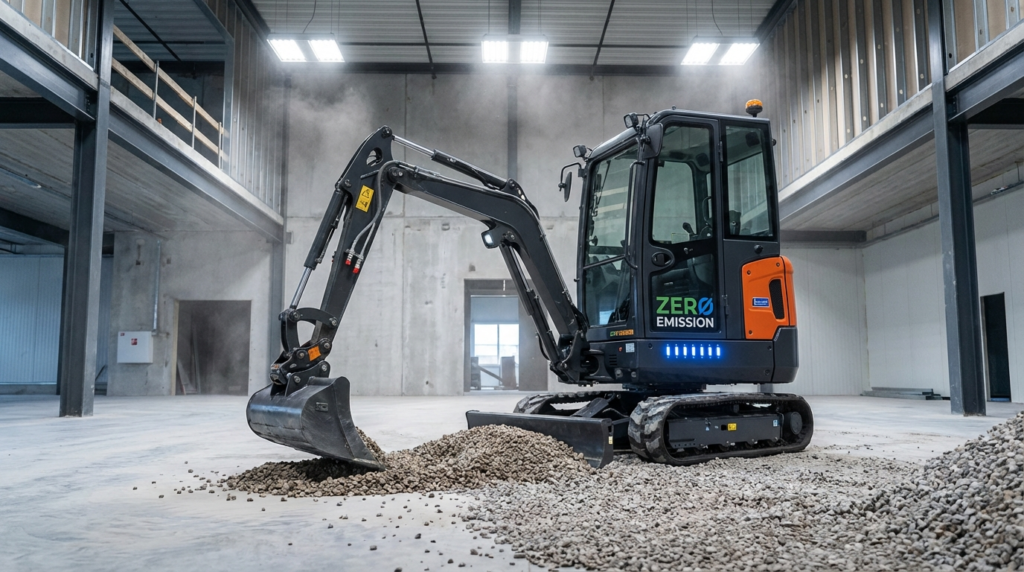
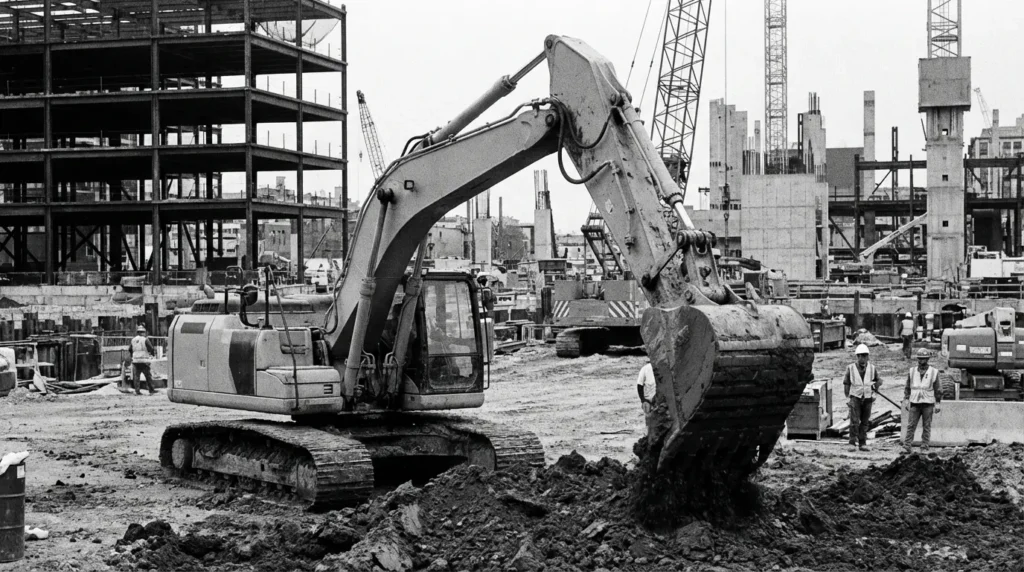
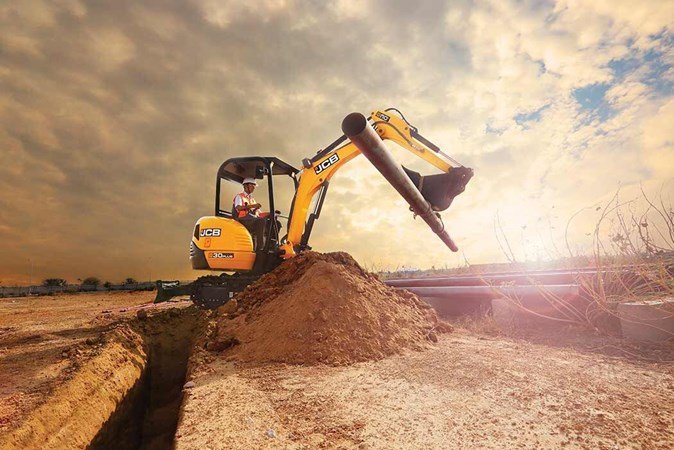
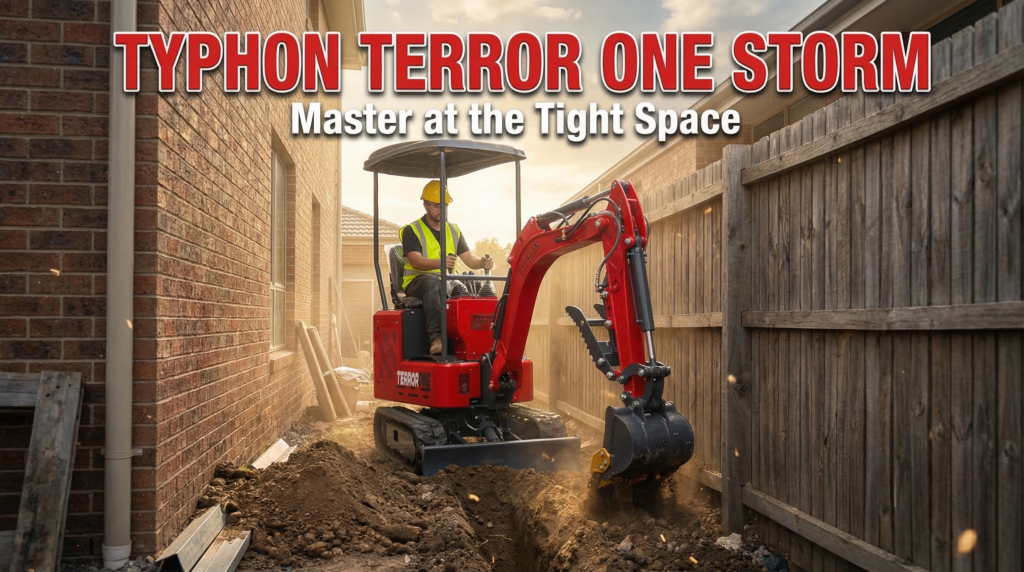
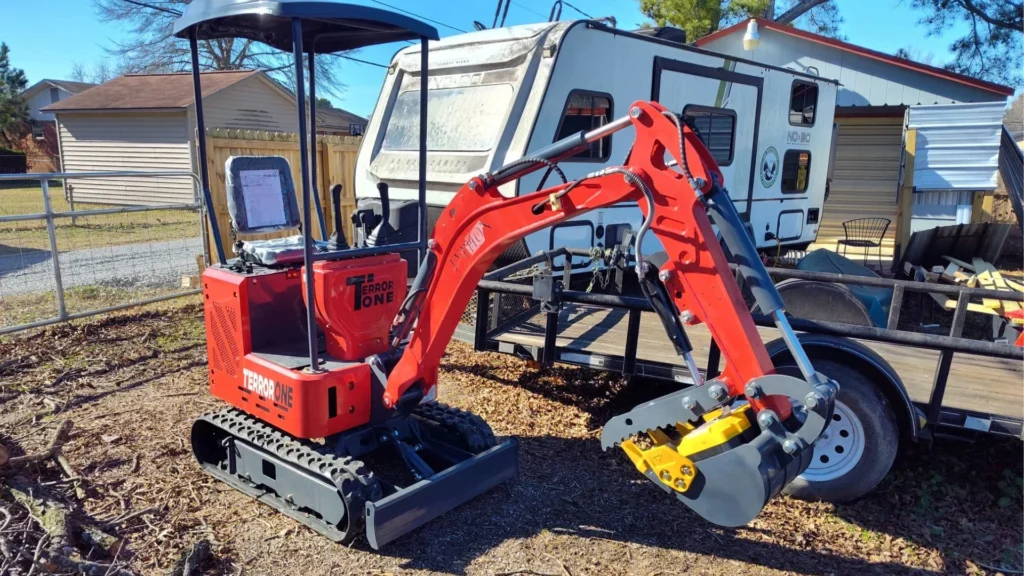
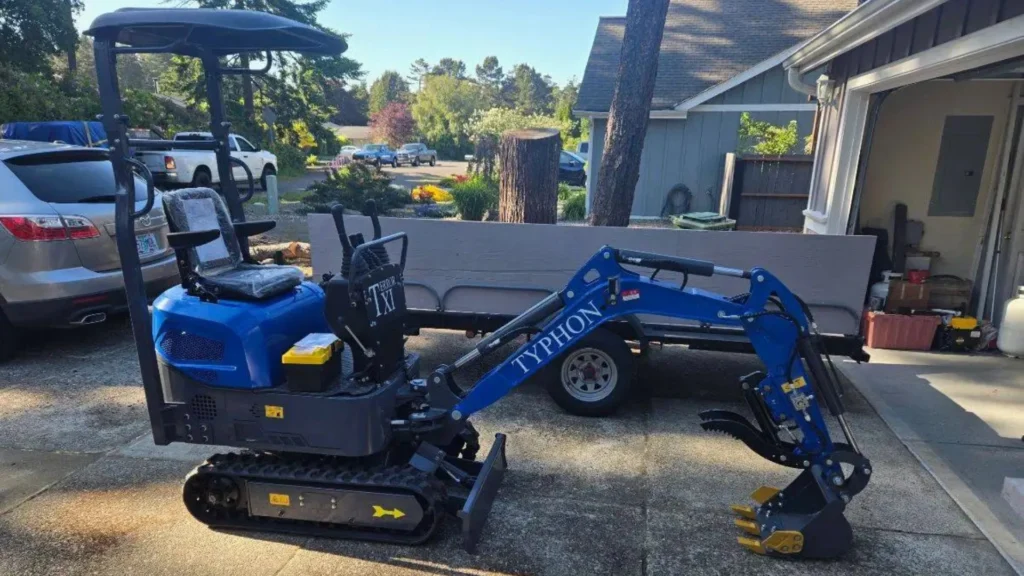
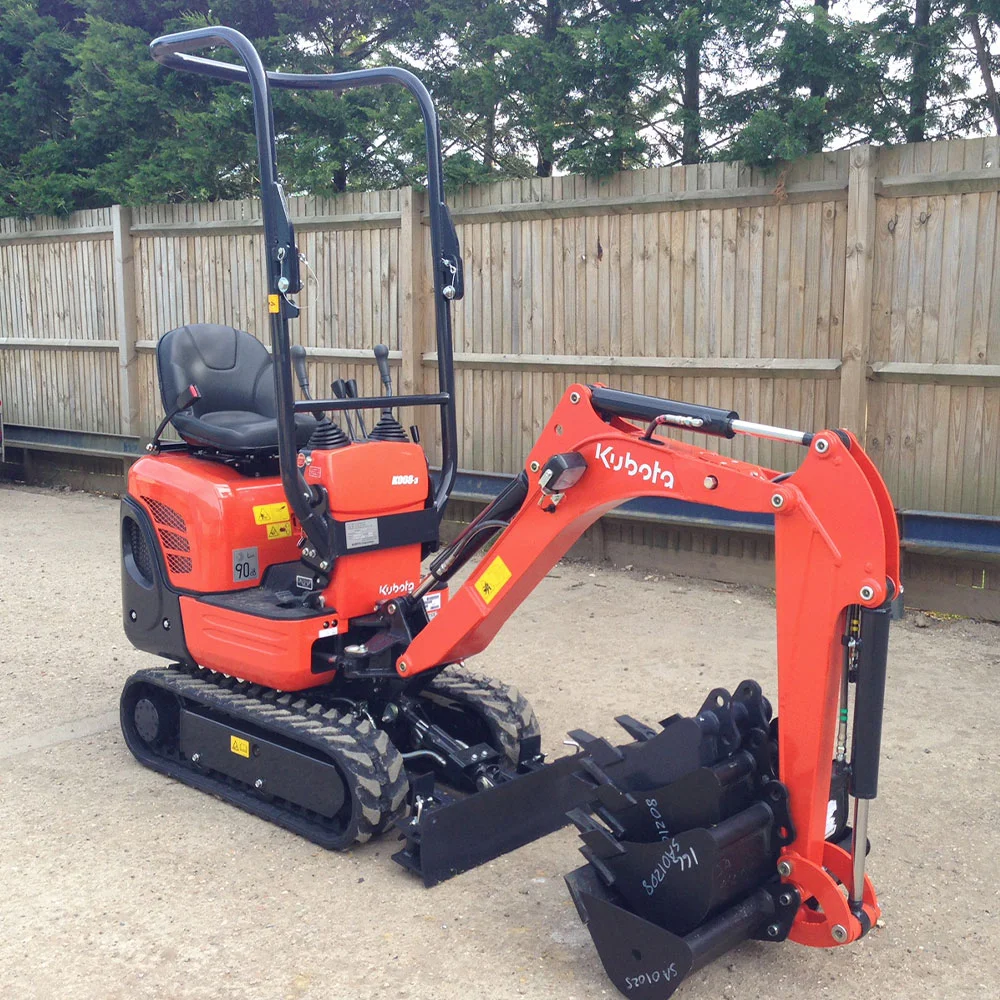
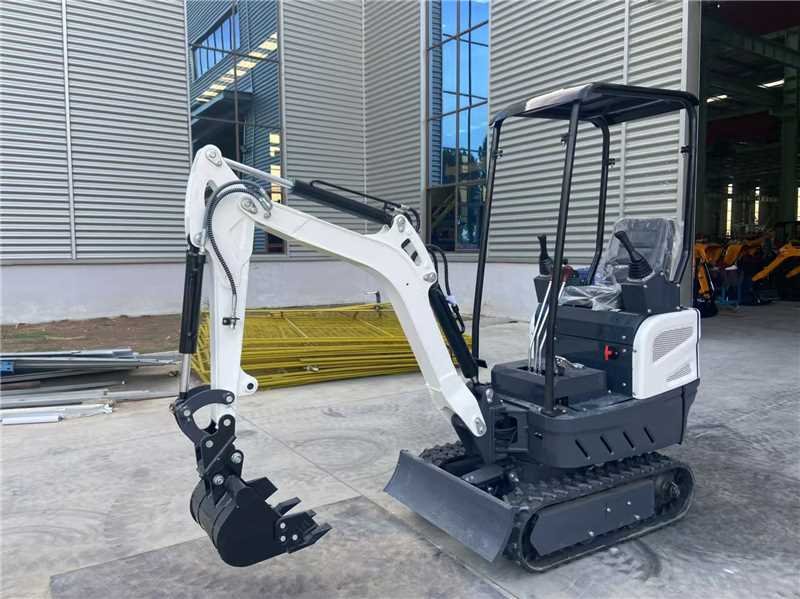
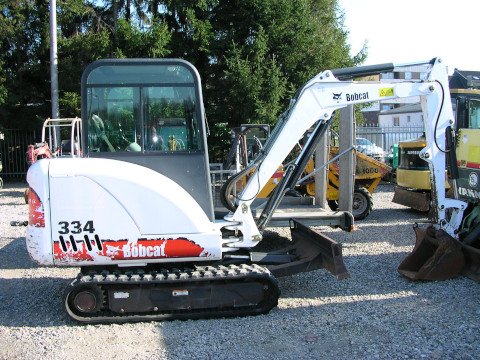
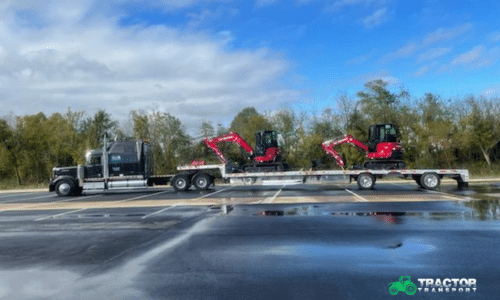
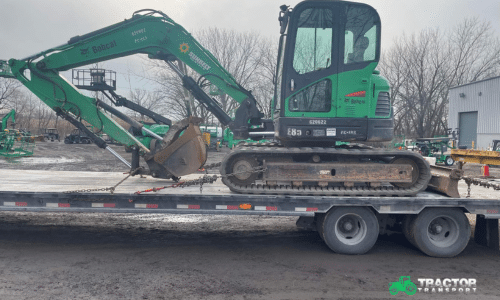
Standard crawler excavators remain especially common due to their stability and ability to work on uneven or soft ground. Wheeled excavators are often used in urban areas where easier movement on paved surfaces is needed, while mini excavators continue to gain attention for their value in smaller jobs and tighter work spaces.
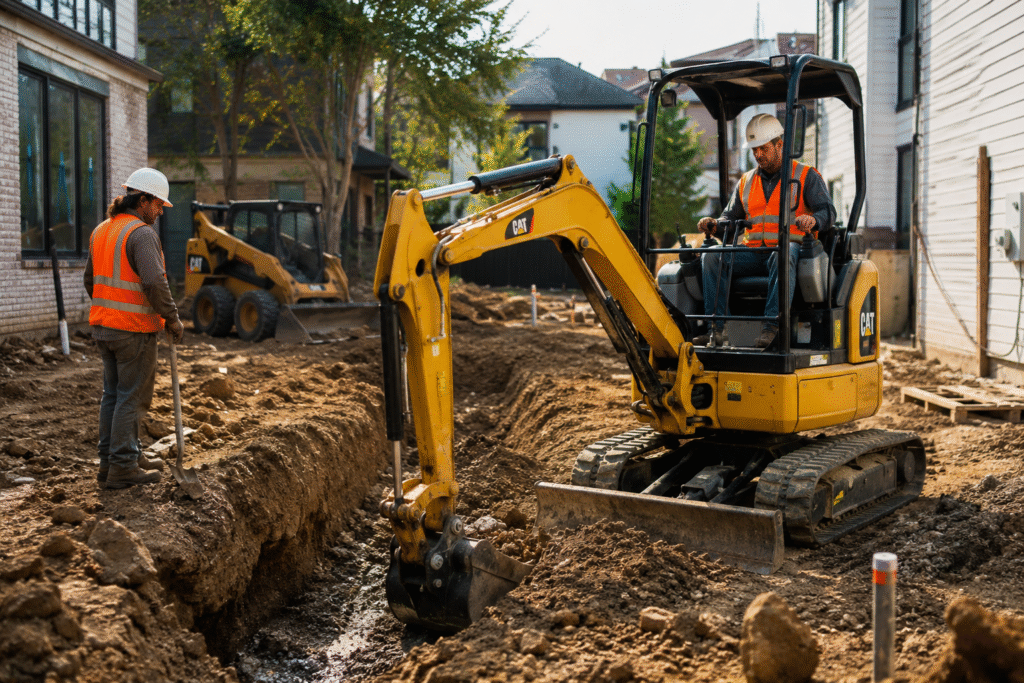
Construction teams also point to the machine’s ability to balance power with control. Although excavators are built for heavy-duty tasks, experienced operators can use them for highly accurate work such as trenching, utility installation, slope shaping, and careful demolition in confined areas.
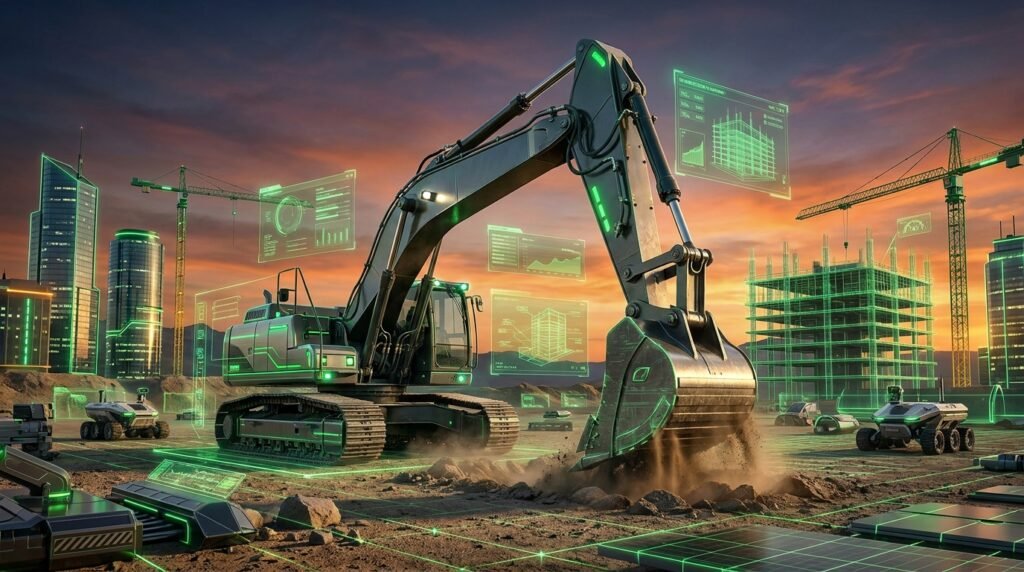
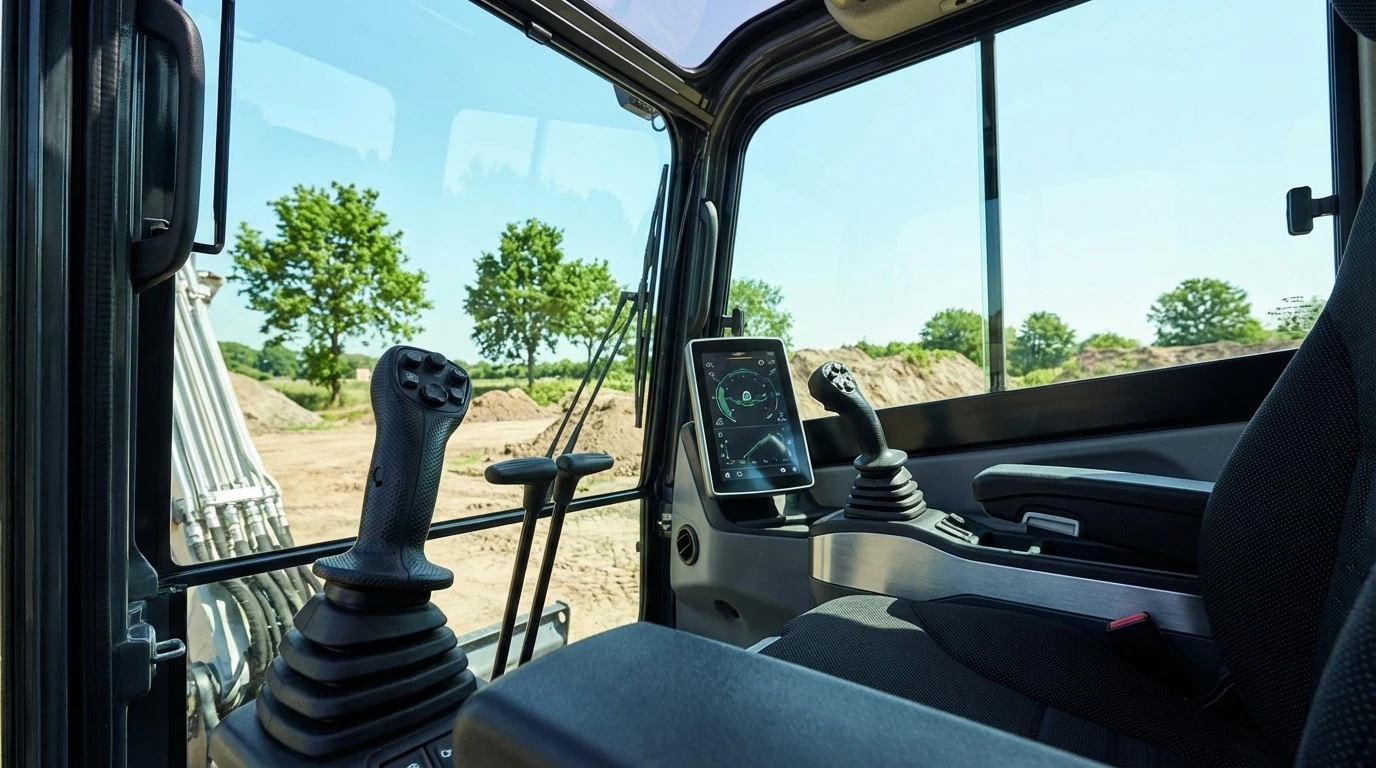
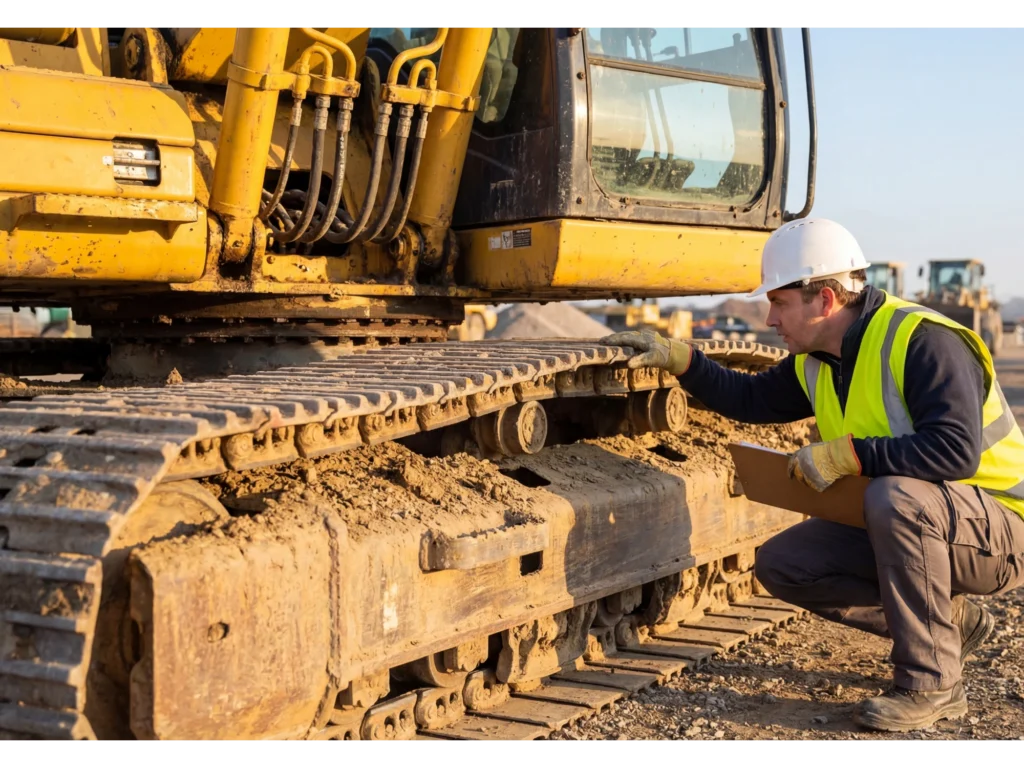
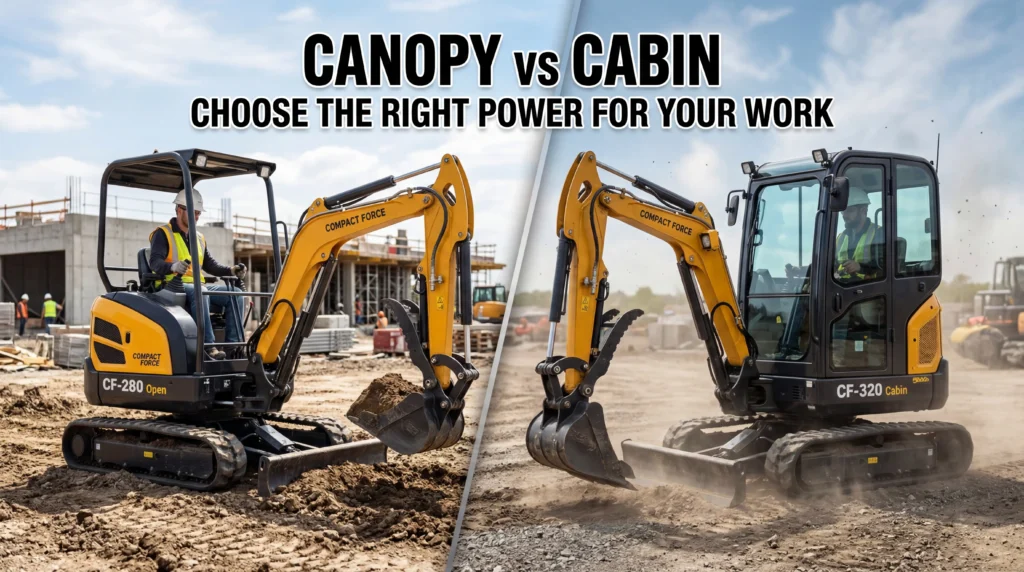
In recent years, excavators have also evolved with broader changes in equipment technology. Newer models are being designed with better fuel efficiency, improved hydraulic performance, enhanced cabin comfort, and digital monitoring features that help operators work with greater awareness and consistency.
These developments reflect a wider trend in the construction industry, where efficiency, safety, and machine performance are becoming increasingly important. Contractors are not only looking for raw power, but also for equipment that can support productivity while adapting to modern work standards.
Even with those technological improvements, the excavator’s core purpose remains unchanged. It continues to serve as one of the most dependable machines for moving earth, handling materials, and preparing sites for development.
As construction activity continues across transport, housing, commercial, and industrial sectors, excavators are expected to remain a familiar and essential presence on job sites. Their role may continue to evolve with new attachments and smarter systems, but their value to the industry remains firmly established.
In practical terms, excavators are not simply heavy machines. They are one of the foundations of construction progress, helping turn empty land into active project space and supporting the work that follows.