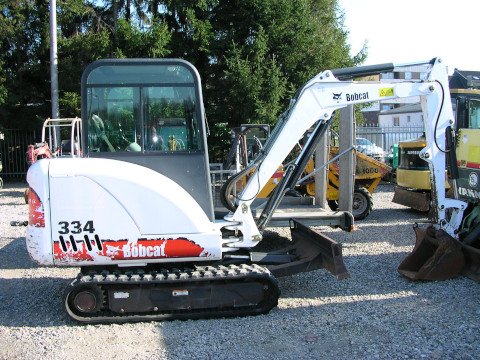
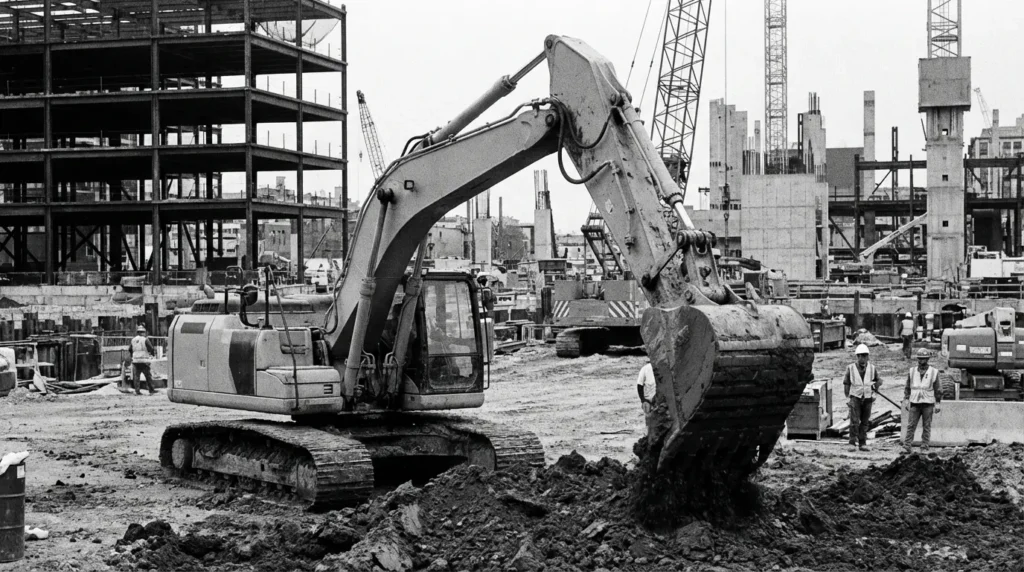
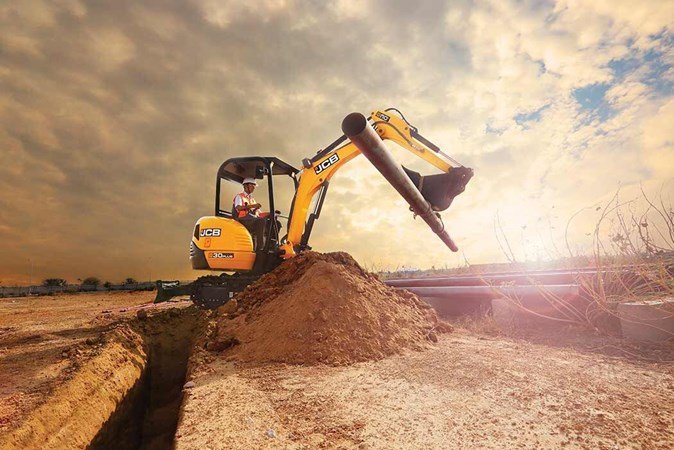
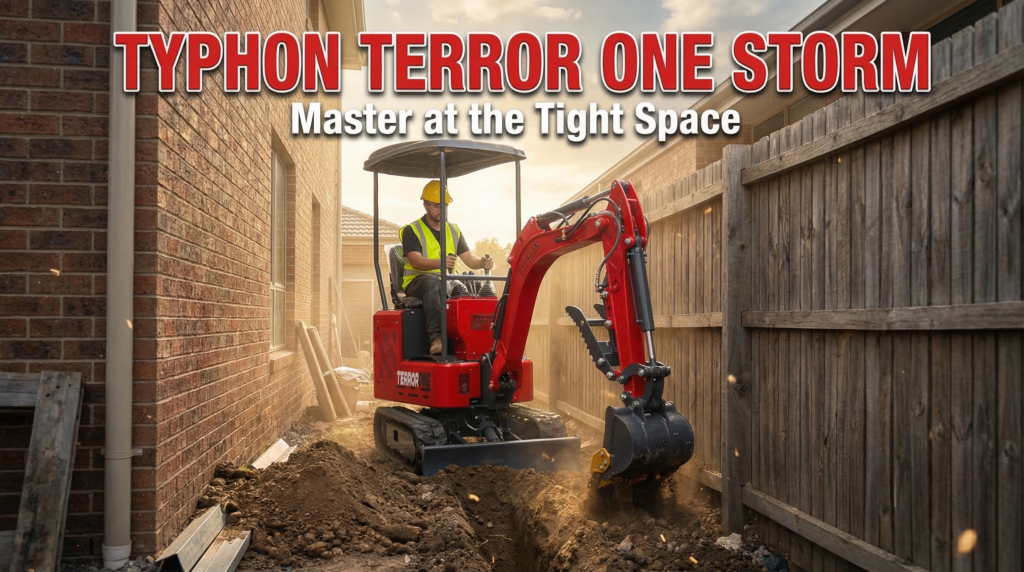
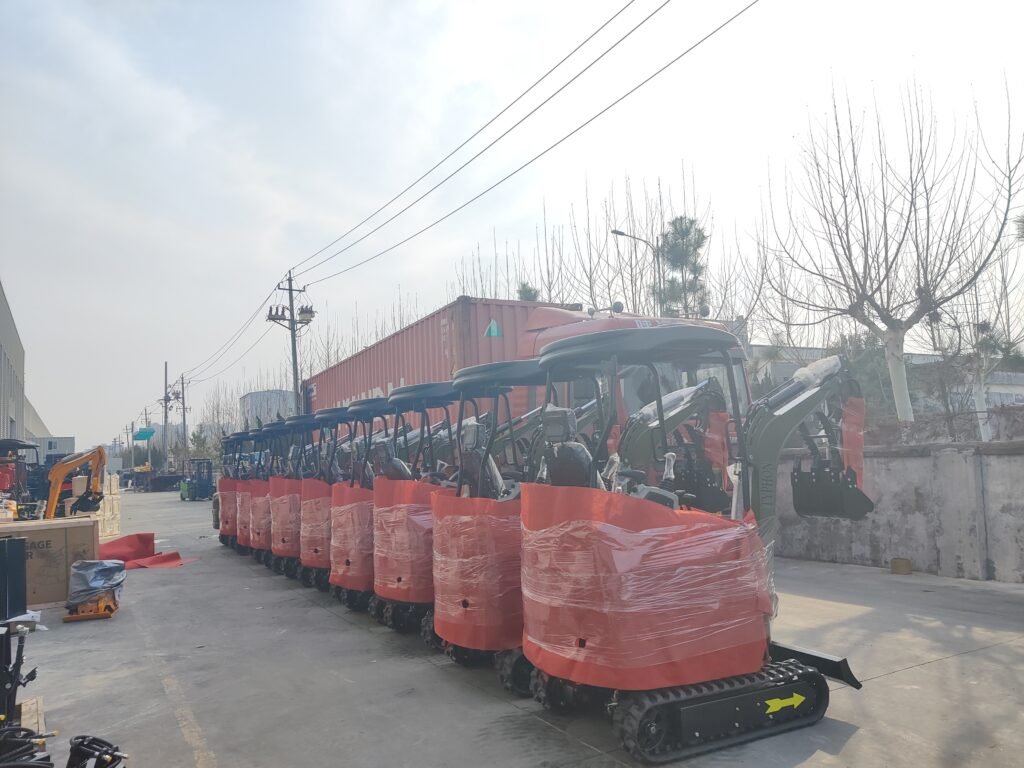
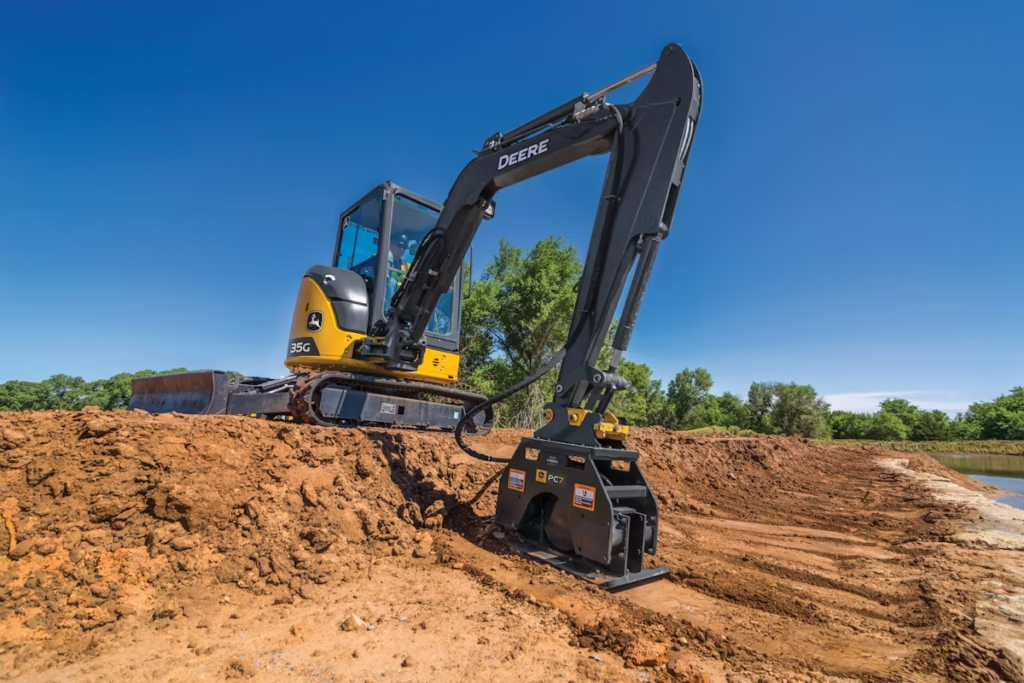
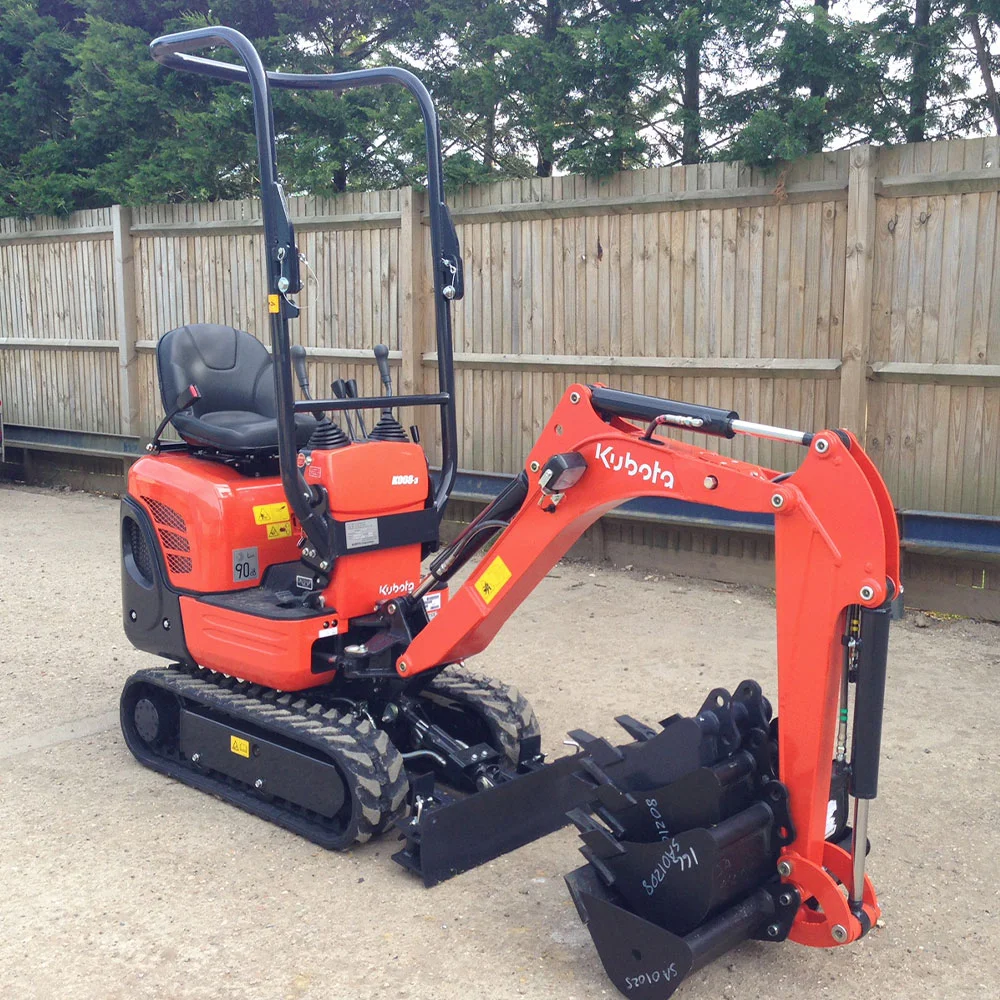
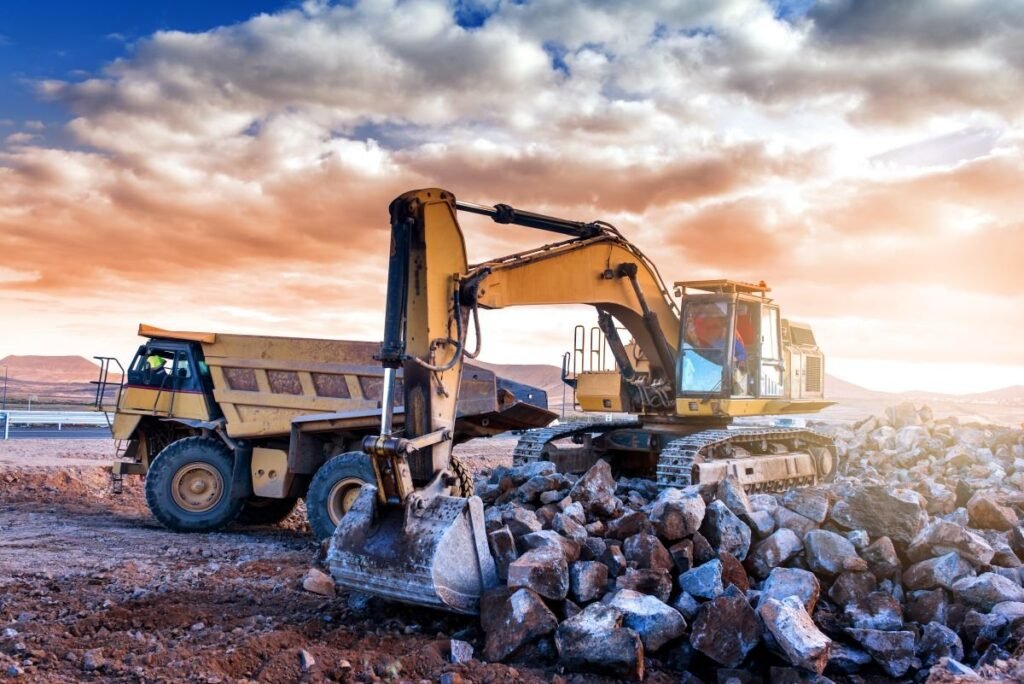
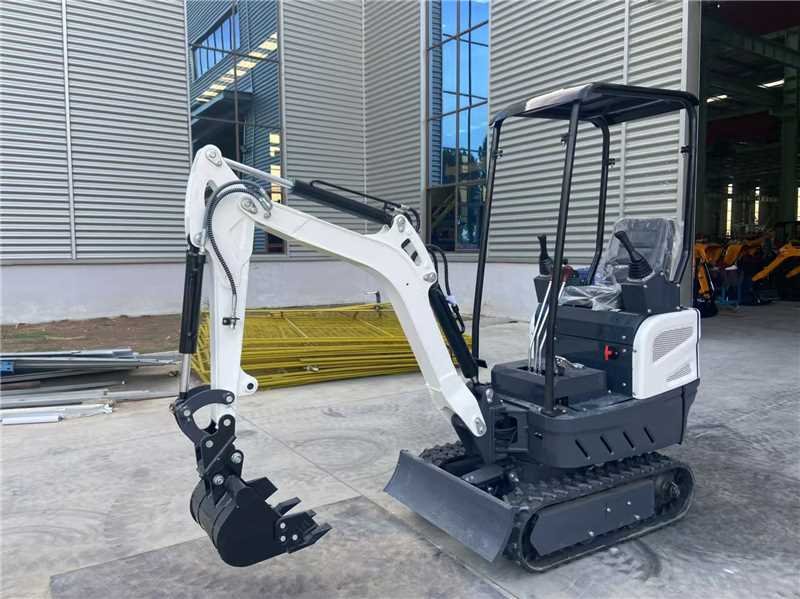
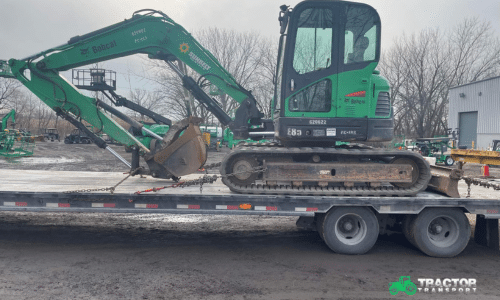
When people think about construction, they often picture tall buildings, finished roads, or brand-new developments. What many do not see is the very first stage of that transformation — the clearing, shaping, and preparation of the land itself. Before any foundation is poured or any structure begins to rise, the ground must be made ready. That is where excavators play a major role.
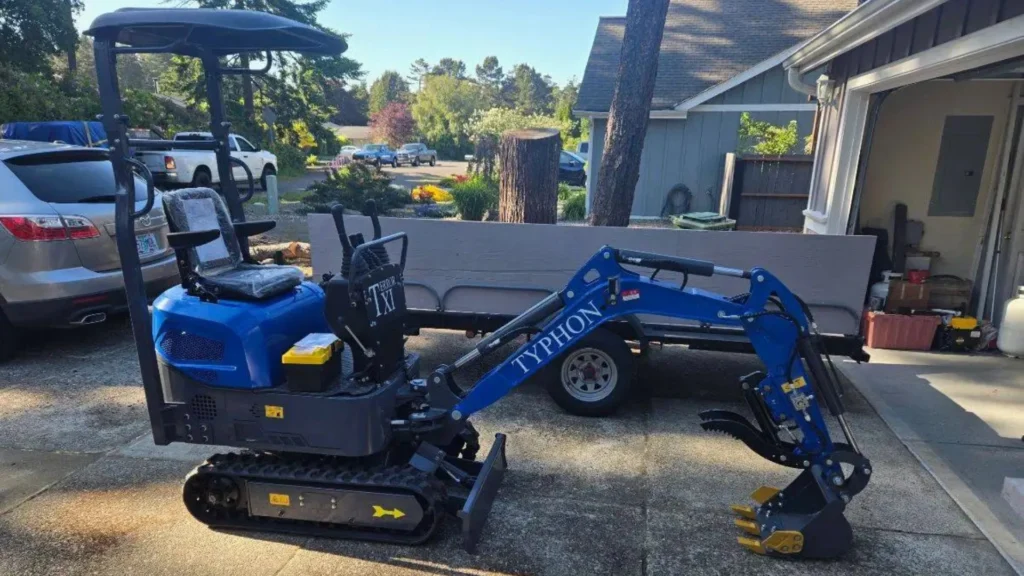
Excavators are often seen as powerful machines built for digging and demolition. While that is true, their real value goes much deeper. They help turn unused, uneven, or inaccessible land into places where homes, businesses, roads, and communities can grow. In many ways, excavators are not just machines on a jobsite. They are part of the process that turns empty land into opportunity.
Every Project Starts with the Land
Before construction can begin, the condition of the land matters. Some sites are covered in debris, thick vegetation, rocks, or old structures. Others may be uneven, unstable, or poorly drained. No matter how ambitious the final project may be, progress cannot happen until the site is properly prepared.
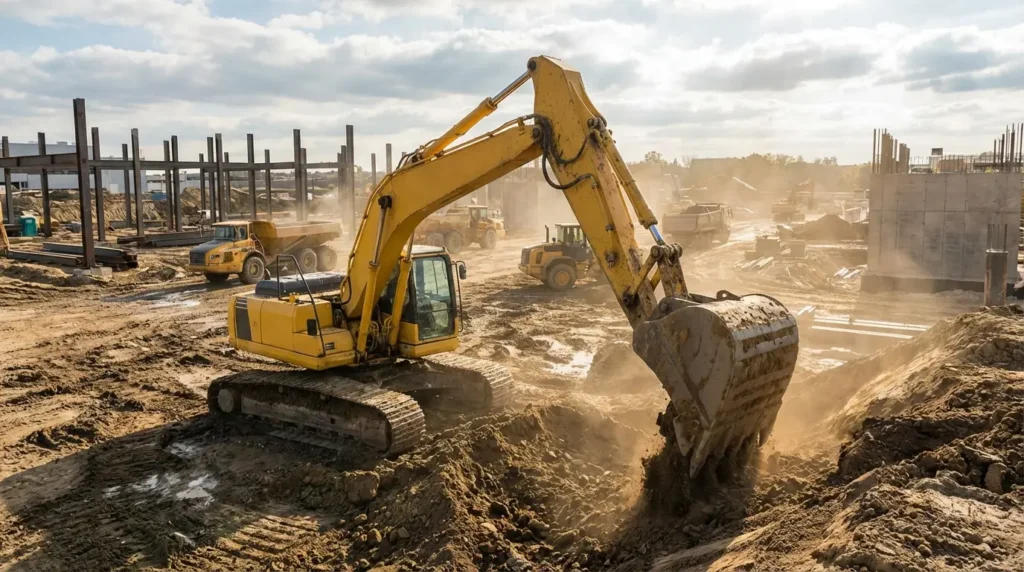
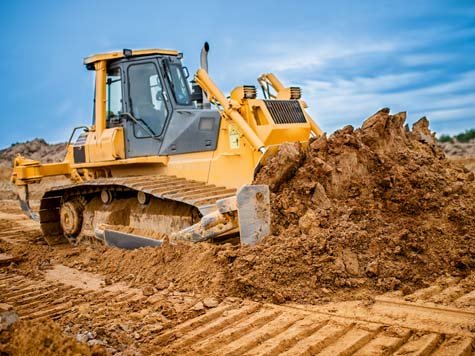
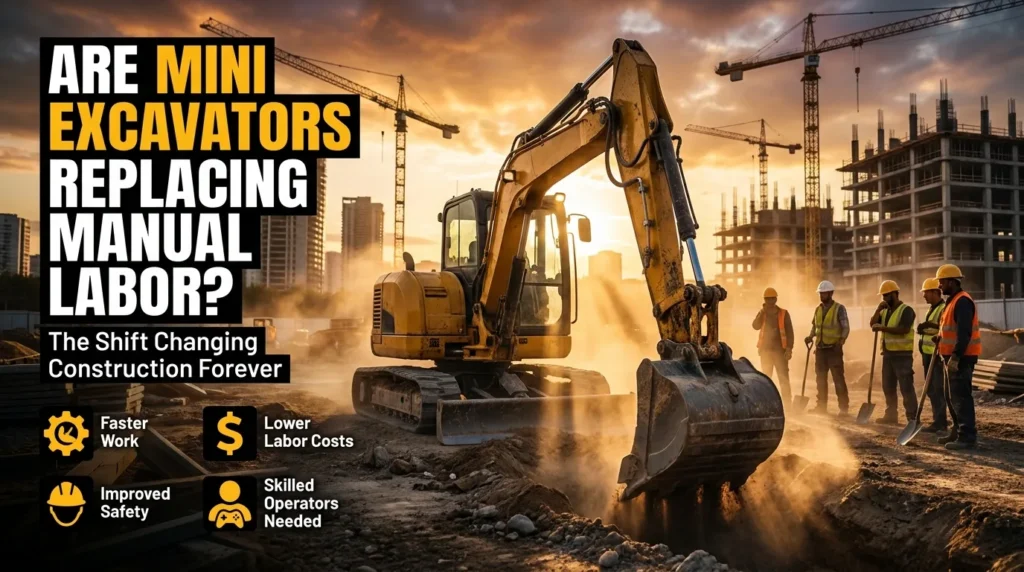
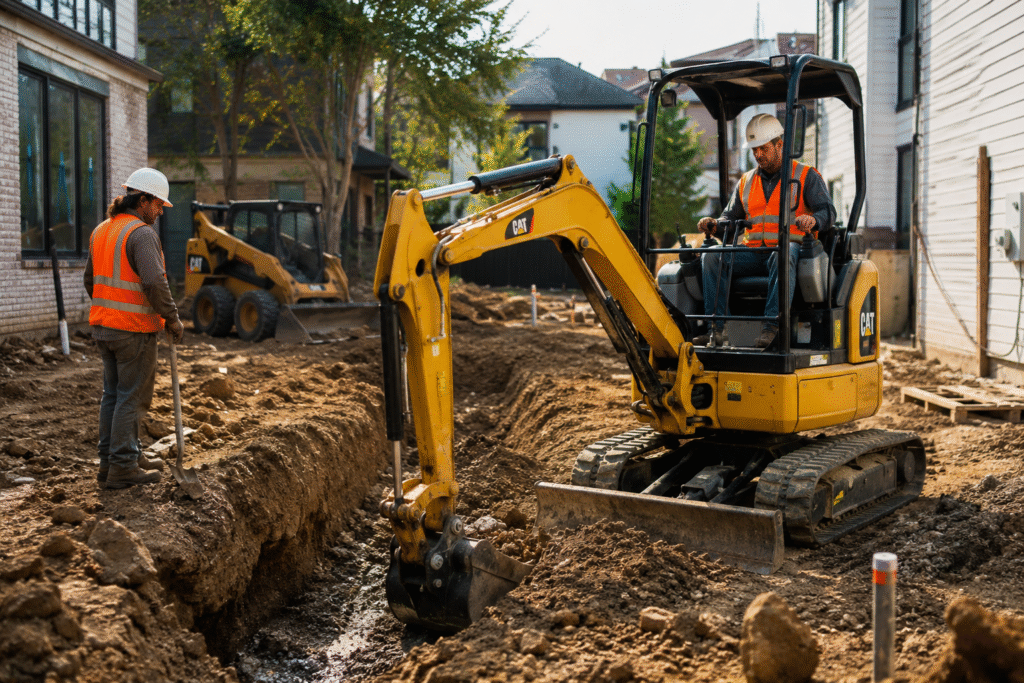
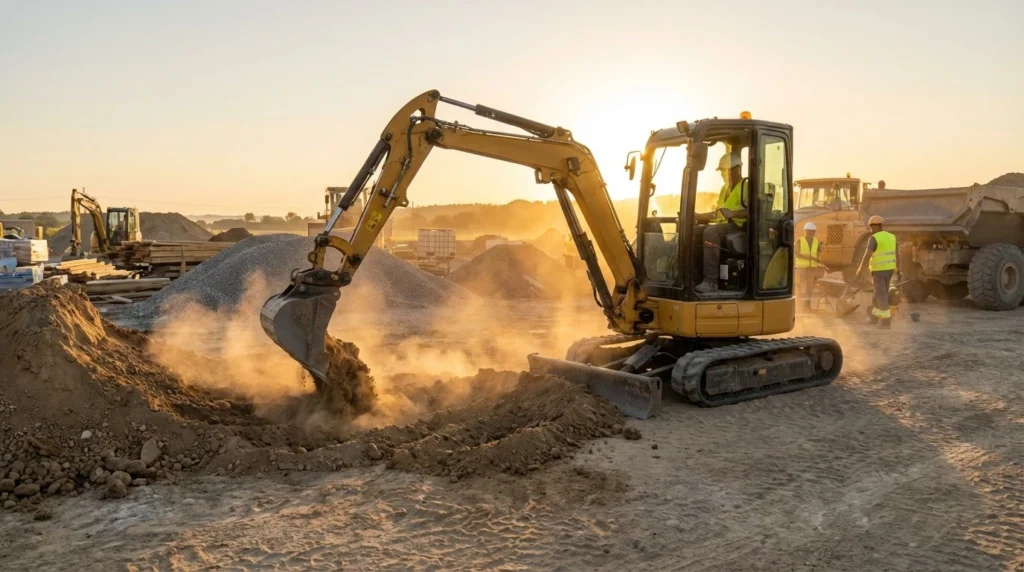
This is the stage where excavators make the biggest difference. They help remove obstacles, level the ground, dig foundations, shape drainage paths, and create a stable base for what comes next. Without this first step, the future of the site remains only an idea.
Excavation is not only about moving soil. It is about creating possibility. It gives engineers, builders, and developers a clean and workable space where real progress can begin.
From Raw Ground to Real Development
An empty plot of land may not look like much at first. It may appear forgotten, overgrown, or difficult to use. But with the right planning and excavation work, that same piece of land can become something valuable.
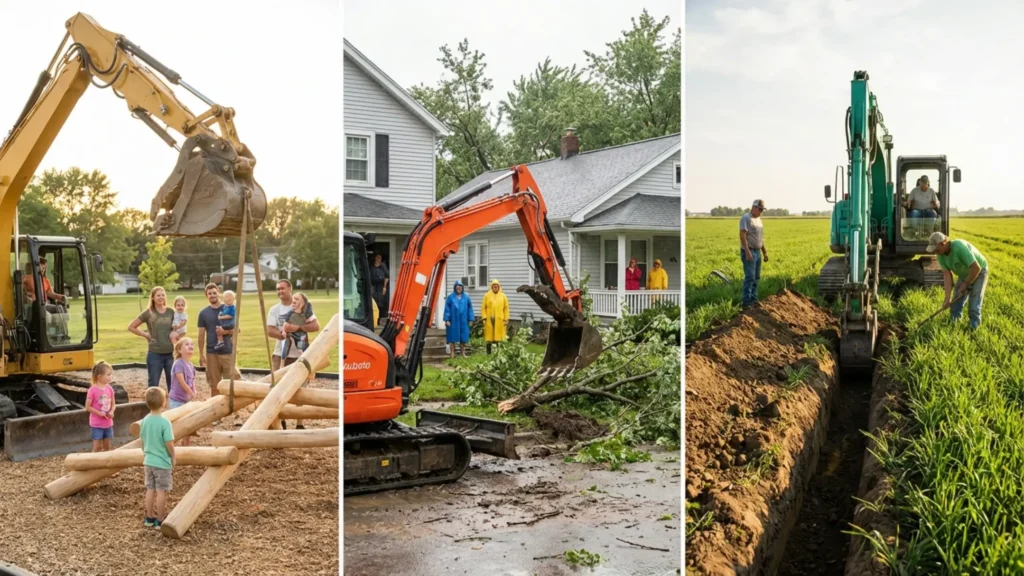
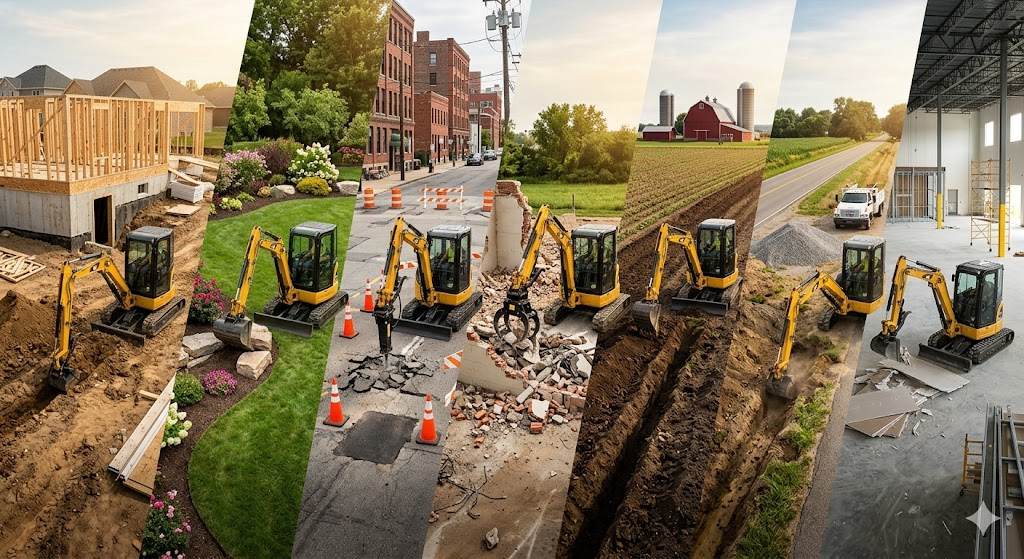
It might become a residential area where families will one day live. It might be transformed into a road that improves transportation and connects communities. It could become a commercial site that creates jobs and supports local business. In agricultural areas, excavation may even help prepare land for irrigation, drainage, or better land use.
Excavators are part of this transformation from the very beginning. They shape the land so that future development becomes possible, safe, and efficient. Their work may happen early, but its impact lasts long after the machine leaves the site.
More Than Digging: Building the Foundation of Progress
The work of an excavator is often practical, but the results are long-term. Proper excavation supports the strength, safety, and success of everything built afterward. A well-prepared site reduces delays, prevents structural issues, and helps projects move forward with confidence.
For example, clearing unstable ground can help avoid future foundation problems. Digging proper drainage systems can protect the site from water damage. Removing old materials and reshaping the terrain can improve both safety and efficiency. These early actions may seem simple, but they influence the entire life of the project.
That is why excavators should not be viewed only as construction equipment. They are tools that help prepare the future. They make it possible to move from planning to action.
Transforming Spaces, Supporting Communities
Land development is about more than construction. It is about how spaces are used to improve people’s lives. A cleared and prepared site can eventually become a school, a warehouse, a hospital, a shop, or a family home. It can support business growth, public services, and local infrastructure.
Excavators contribute to this bigger picture by helping shape the first stage of change. Their role may happen behind the scenes, but it is essential. Before communities expand or investment arrives, the land must first be opened up and prepared.
This is why excavation work matters. It supports the early movement of progress. It helps transform underused land into spaces with purpose and value.
The Before and After Tells the Real Story
One of the best ways to understand the importance of excavation is to look at the land before and after the work is done.
Before excavation, a site may be rough, blocked, uneven, or unusable. After excavation, it becomes organized, accessible, and ready for development. That contrast tells the real story. The machine itself is only one part of the process. What matters most is the change it creates.
Excavators help bridge the gap between what a site is now and what it can become in the future. They are part of turning vision into reality.
Shaping More Than Ground
In the end, excavators do more than move earth. They help shape new beginnings. Every housing project, industrial site, road network, or public facility starts with land preparation. And behind that preparation is the equipment and expertise that make development possible.
From empty land to opportunity, excavation is one of the first and most important steps in building something better. It is not only about what is being removed from the site. It is about what is being created for the future.
 English