
 English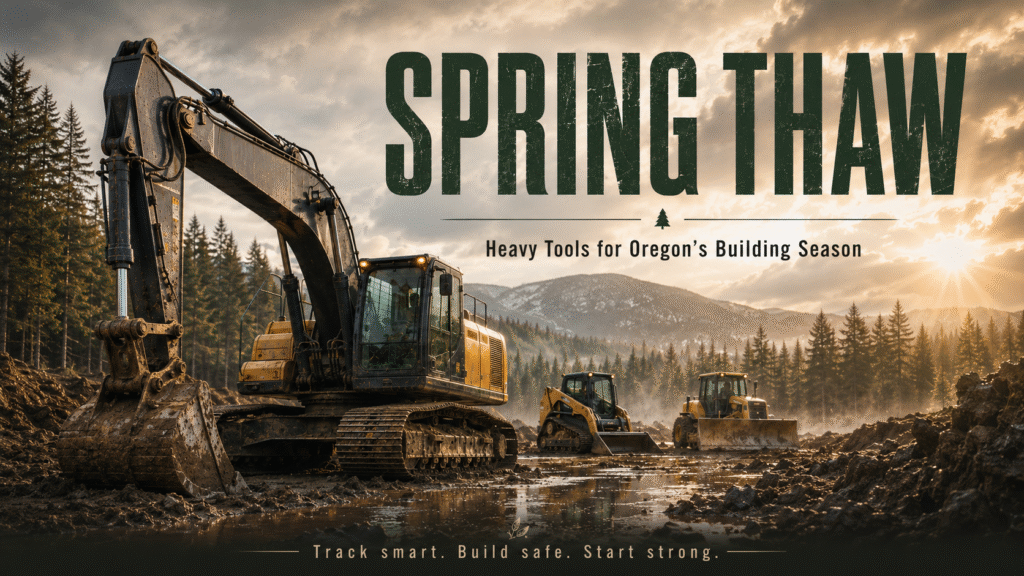

















































Spring Thaw and Heavy Tools: Getting ready for Oregon’s Building Season


Spring Thaw and Heavy Tools: Getting Ready for Oregon’s Building Season
As the last vestiges of winter’s chill recede and the vibrant greens of spring begin to emerge across Oregon’s diverse landscapes, a familiar anticipation stirs among contractors, builders, landscapers, and even dedicated DIY enthusiasts. This isn’t just about warmer weather; it’s about the annual ritual known as the “Spring Thaw.” For anyone involved in projects that require substantial groundwork, excavation, or heavy lifting, the Spring Thaw isn’t merely a meteorological event – it’s a critical period that dictates the success, safety, and efficiency of the upcoming building season. And hand-in-hand with this natural phenomenon comes the indispensable role of “Heavy Tools.”
Imagine a construction site in the Willamette Valley, a logging operation in the Cascades, or a new vineyard being prepped in Southern Oregon. Each of these scenarios, and countless others, relies heavily on powerful machinery – excavators, bulldozers, loaders, trenchers, and more – to transform visions into reality. But the ground beneath these tools is not static; it’s a dynamic canvas profoundly affected by the freeze-thaw cycles of winter and spring. Understanding how the Spring Thaw impacts soil conditions, equipment performance, and project timelines is paramount. This comprehensive guide will delve deep into the intricacies of the Spring Thaw phenomenon, explore the essential heavy tools that become the backbone of springtime projects, and provide actionable insights for navigating Oregon’s building season with confidence and competence. Whether you’re a seasoned professional or just beginning to understand the challenges of working with heavy machinery in changing conditions, prepare to equip yourself with the knowledge needed to thrive.
What is Spring Thaw and Heavy Tools?
The concept of “Spring Thaw and Heavy Tools” is an interwoven narrative describing the seasonal transition from winter to spring and its profound implications for construction, agriculture, and land management, particularly when heavy machinery is involved. In essence, it refers to the period when frozen ground begins to soften and melt, often leading to saturated, unstable, and challenging soil conditions, and the specific types of robust equipment required to operate effectively and safely within these conditions.
Understanding the Spring Thaw Phenomenon
The Spring Thaw is a natural process that occurs annually in regions experiencing freezing temperatures during winter, such as much of Oregon. During winter, moisture in the soil freezes, expanding and forming ice lenses that can heave the ground. This process, known as frost heave, can significantly alter soil structure. As temperatures rise in spring, this ice melts, releasing a substantial amount of water into the soil. Because the deeper layers of the ground may still be frozen, this meltwater often has nowhere to drain, leading to an oversaturated, muddy, and unstable top layer.
This period presents several critical challenges:
- Reduced Soil Bearing Capacity: Saturated soil loses much of its ability to support weight. What was firm ground in summer can become a quagmire in spring, making it difficult for heavy machinery to operate without sinking or getting stuck.
- Increased Erosion Risk: Loose, wet soil is highly susceptible to erosion, especially on slopes or near waterways. This can lead to environmental damage, project delays, and increased costs for remediation.
- Road and Infrastructure Damage: The freeze-thaw cycle can severely damage unpaved roads, driveways, and even paved surfaces. The expansion and contraction of ice can create potholes and cracks, while heavy vehicles traversing weakened surfaces can exacerbate the damage. Many counties and municipalities in Oregon implement “load restrictions” or “spring road bans” during this period to protect their infrastructure.
- Project Delays and Cost Overruns: Operating in challenging conditions can slow down work, increase fuel consumption, and lead to more frequent equipment breakdowns. Delays due to impassable sites or damaged roads directly impact project timelines and budgets.
The Role of Heavy Tools in Spring Thaw Conditions
“Heavy Tools” in this context refers to the robust, powerful, and often specialized machinery designed for earthmoving, excavation, lifting, and material handling. These tools are the backbone of any large-scale outdoor project, but their effectiveness during the Spring Thaw is heavily dependent on their design, the operator’s skill, and careful planning.
Common heavy tools include:
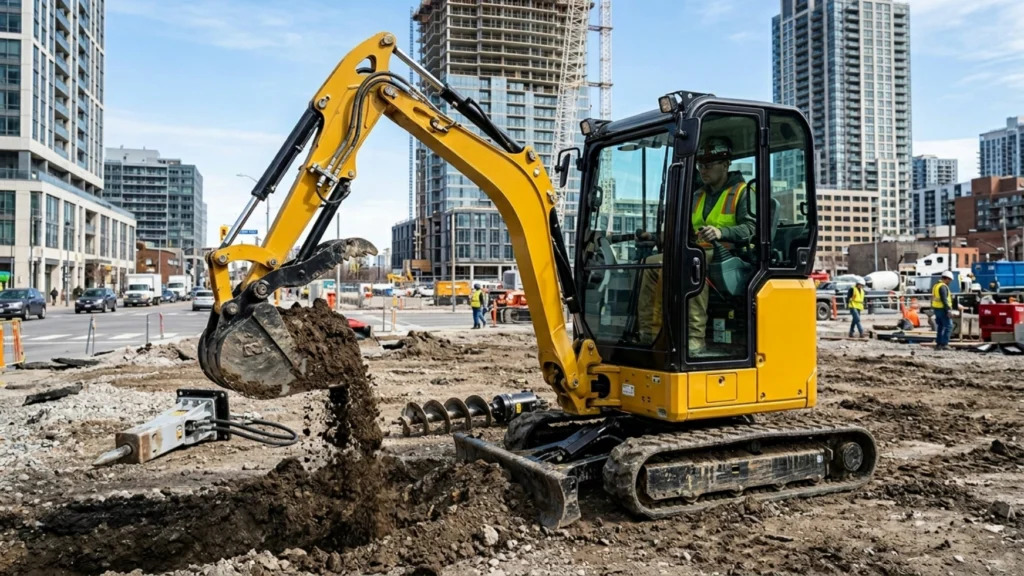
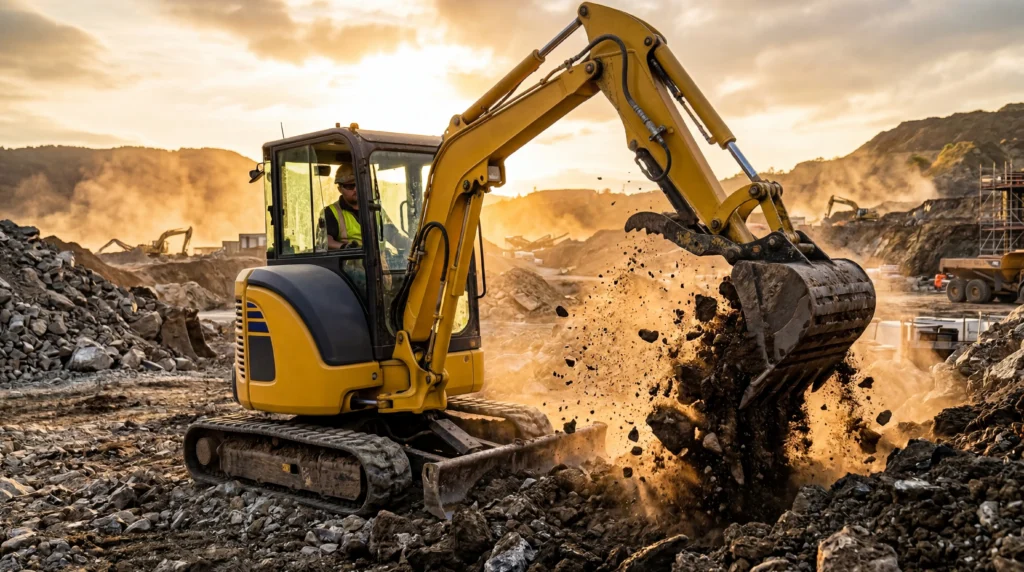
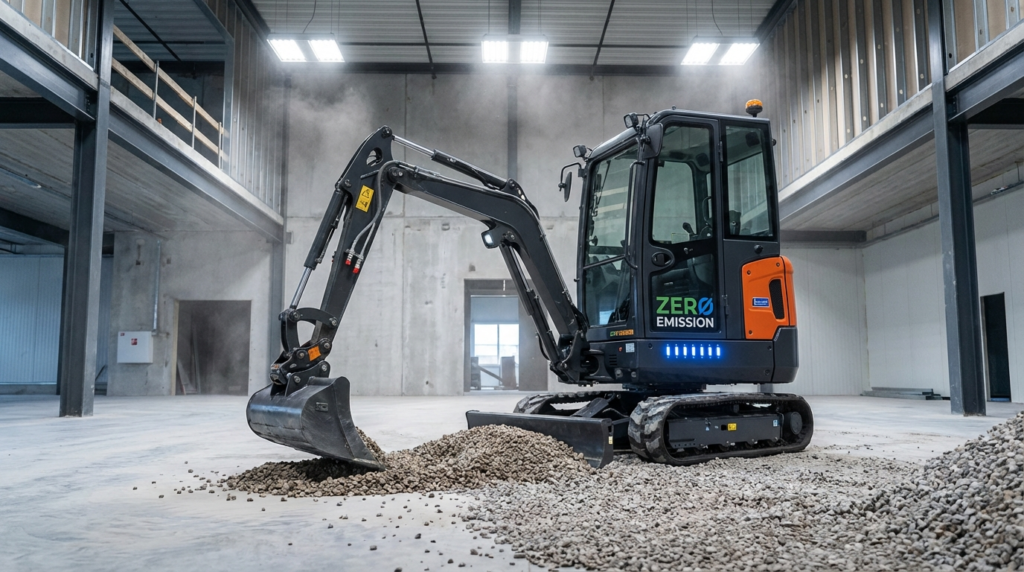
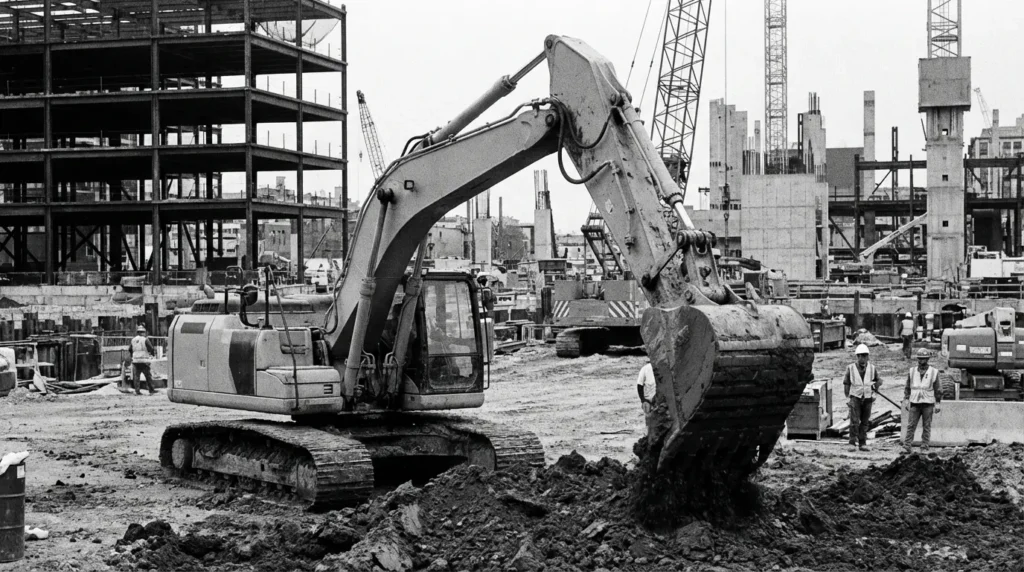
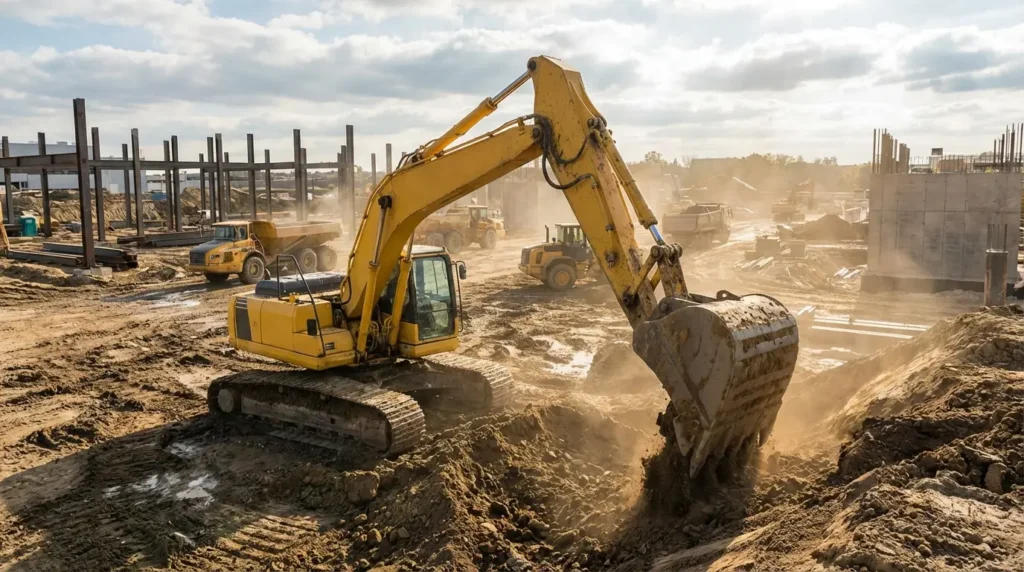
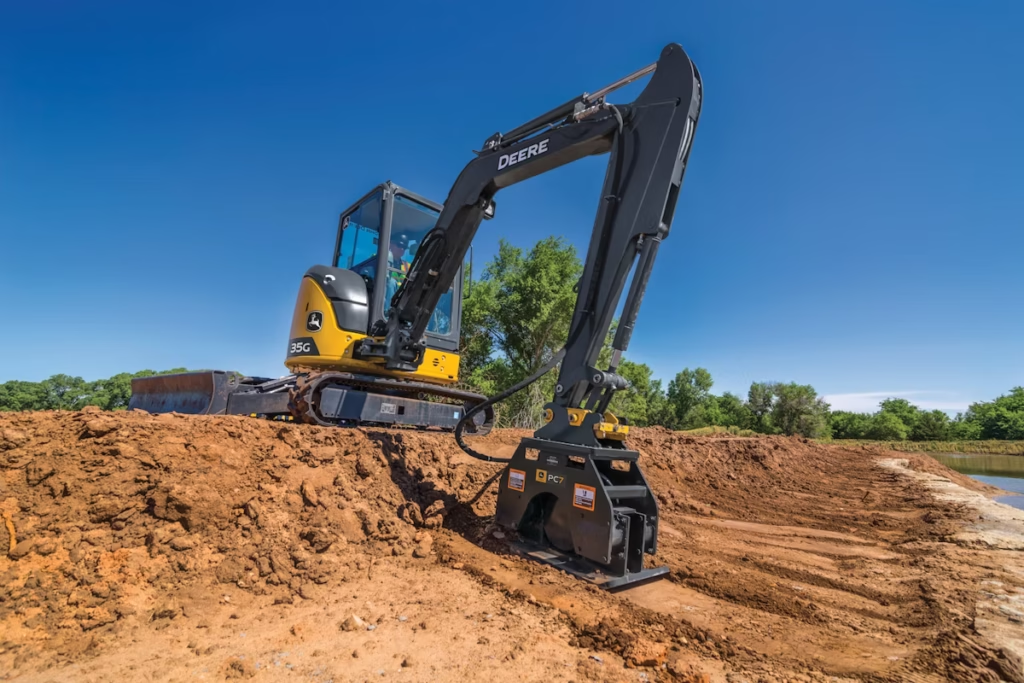
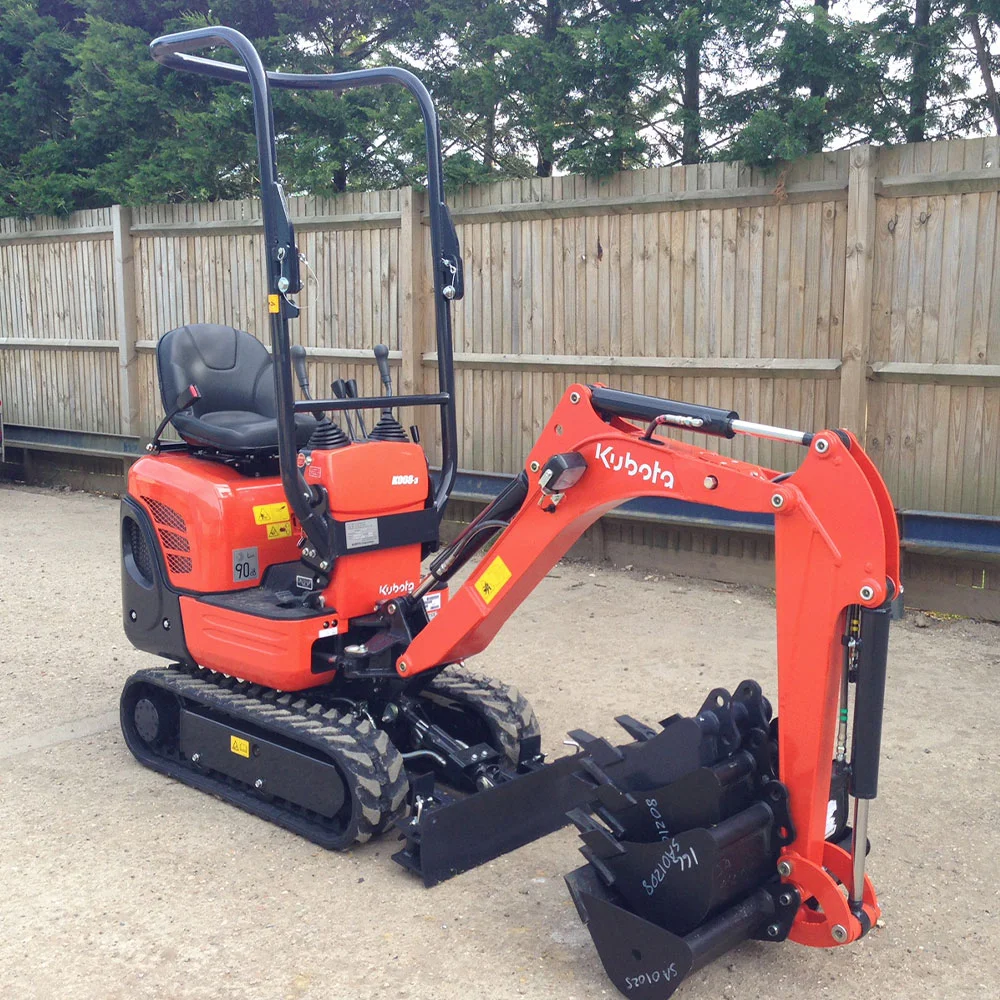
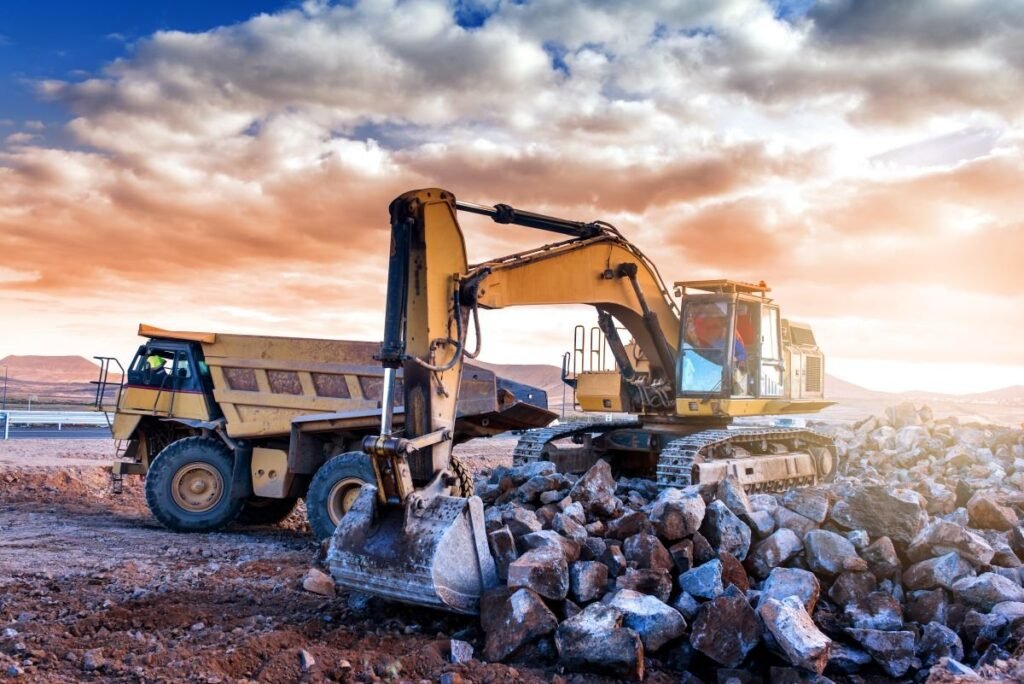
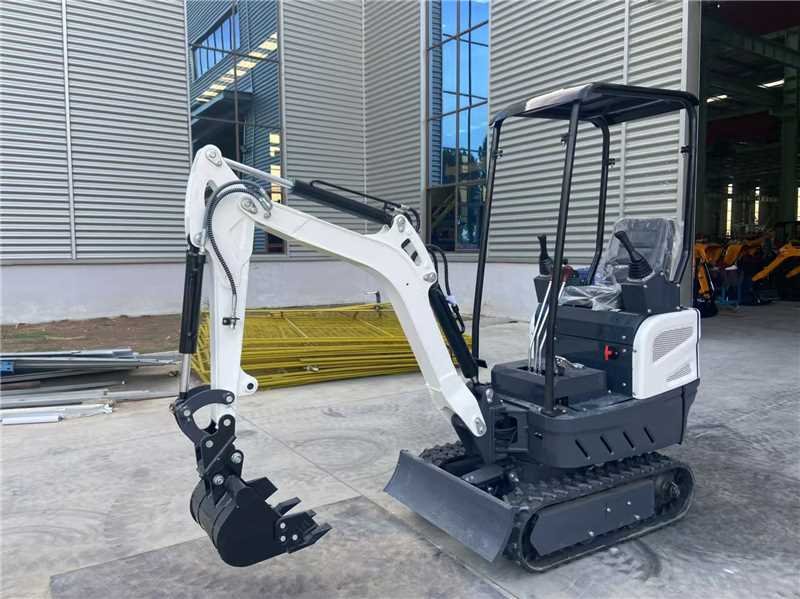
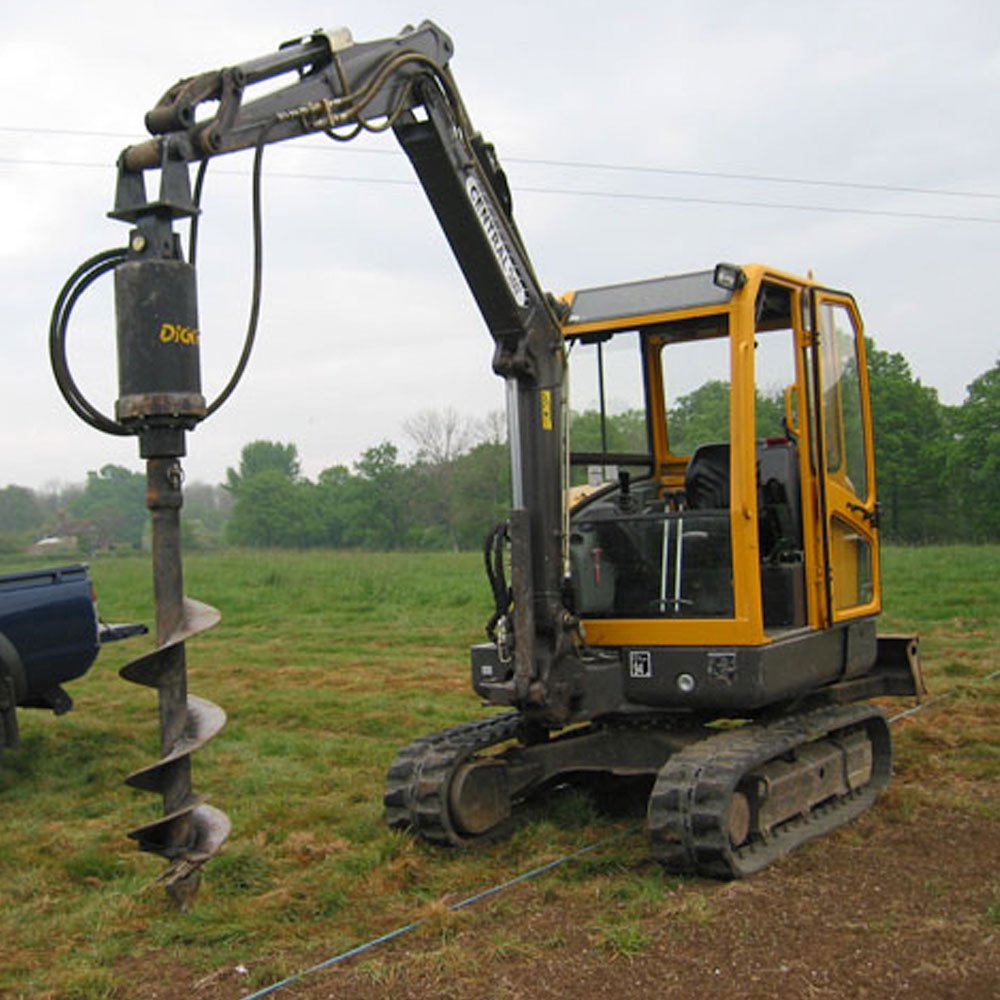
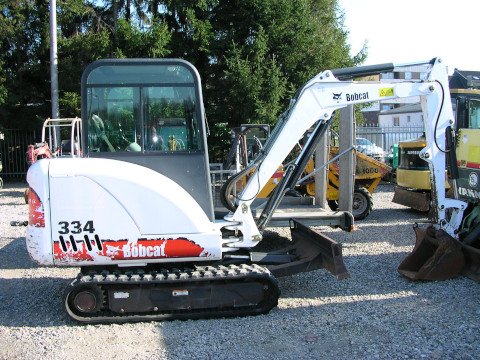
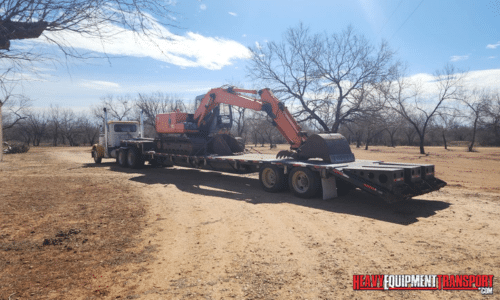
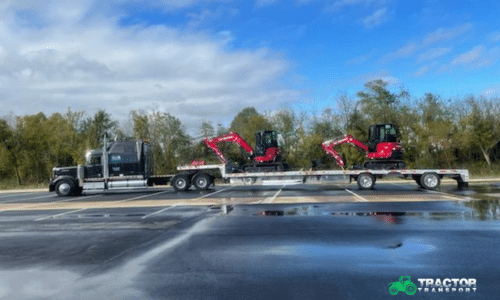
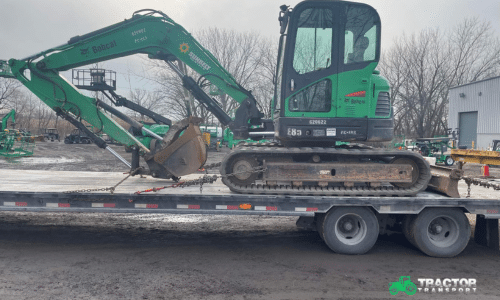
- Excavators: Essential for digging, trenching, and lifting. Their tracks distribute weight over a larger area, offering better flotation in soft ground than wheeled vehicles.
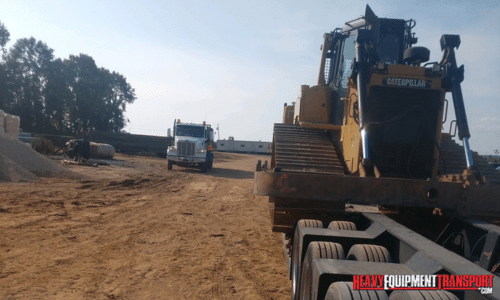
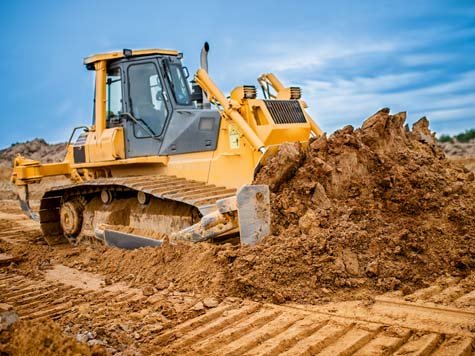
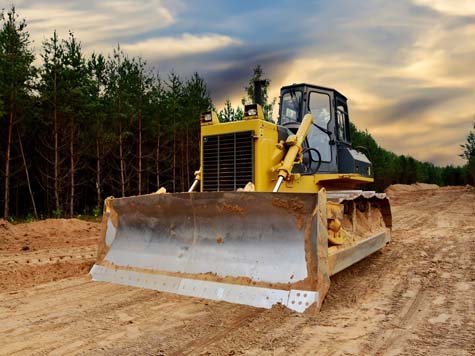
- Dozers (Bulldozers): Used for pushing large quantities of soil, grading, and clearing land. Like excavators, their tracks are advantageous in muddy conditions.
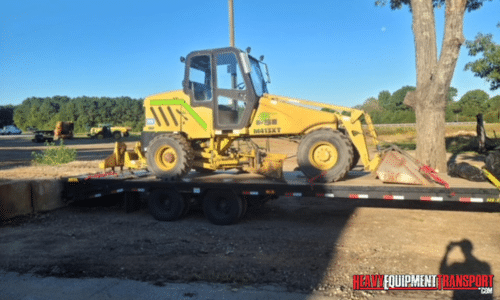
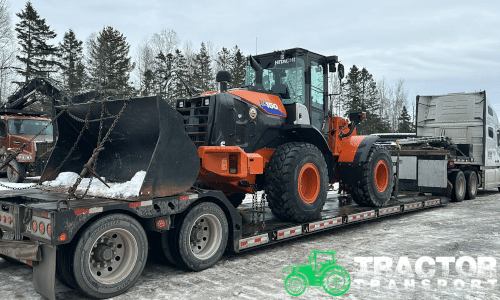
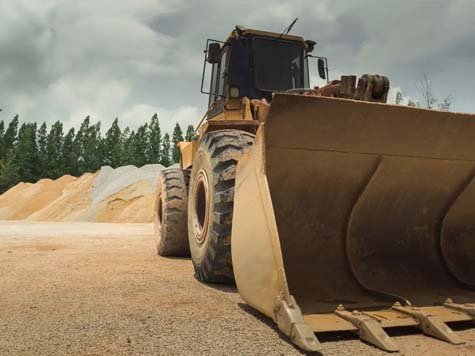
- Loaders (Wheel Loaders, Skid Steer Loaders, Track Loaders): For scooping, lifting, and transporting materials. Track loaders offer superior traction and flotation compared to wheel loaders in soft conditions.
- Articulated Dump Trucks: Designed to carry heavy loads over rough and uneven terrain, their articulated chassis and all-wheel drive systems make them more capable in muddy conditions than standard dump trucks.
- Compactors/Rollers: While often used for compaction, they can also be used to stabilize softer ground or prepare a firmer base.
- Graders: For fine-grading and shaping surfaces.
The challenge during Spring Thaw is not just having these tools, but understanding how to deploy them effectively. This involves considering factors like ground pressure, traction, maneuverability, and the potential for environmental impact. Proper selection and operation of heavy tools become critical to mitigating the risks associated with the saturated, unstable ground that defines the Spring Thaw period. It’s about leveraging the power of these machines while respecting the limitations imposed by nature.

Key Benefits of Understanding Spring Thaw and Heavy Tools
A thorough understanding of the Spring Thaw phenomenon and the appropriate deployment of heavy tools isn’t just about avoiding problems; it unlocks a multitude of benefits that can significantly impact the success, safety, and profitability of projects throughout Oregon’s building season. Proactive planning and informed decision-making during this critical transition period can turn potential liabilities into strategic advantages.
Enhanced Project Efficiency and Timeliness
One of the most immediate benefits is the ability to maintain project schedules. By anticipating and preparing for the challenging ground conditions of the Spring Thaw, project managers can prevent costly delays. Knowing when the ground is likely to be too soft for certain operations allows for strategic scheduling, perhaps focusing on tasks that don’t require heavy ground disturbance or utilizing specialized equipment that can handle mud. For example, a contractor building a new home in Bend might schedule foundation work for later in the spring when the ground has dried out sufficiently, or opt for a tracked excavator over a wheeled one if early spring work is unavoidable. This foresight minimizes downtime, keeps crews productive, and helps meet deadlines, which is crucial for client satisfaction and avoiding liquidated damages.
Significant Cost Savings
Delays, equipment breakdowns, and rework are major cost drivers in any project. Understanding Spring Thaw conditions helps mitigate these.
- Reduced Equipment Damage: Operating heavy machinery in excessively muddy or unstable conditions puts immense strain on engines, transmissions, tracks, and tires. This leads to accelerated wear and tear, increased fuel consumption, and a higher likelihood of costly breakdowns. By knowing when to pause, reroute, or use lighter equipment, companies can extend the lifespan of their valuable assets and reduce maintenance expenses.
- Lower Fuel Consumption: Struggling through deep mud requires significantly more power and thus more fuel. Efficient operation in optimal conditions or with appropriate equipment can lead to substantial savings on fuel costs over the course of a project.
- Minimized Rework: Attempting to build on unstable ground can lead to settlement issues, requiring costly rework later. Waiting for the ground to stabilize or employing proper ground stabilization techniques upfront prevents these expensive fixes.
- Avoidance of Fines/Penalties: Adhering to local load restrictions during the thaw period prevents fines for damaging public roads, a common issue in rural Oregon counties.
Improved Safety for Workers and Equipment
Safety is paramount on any job site. The Spring Thaw introduces unique hazards that, if not addressed, can lead to serious accidents.
- Reduced Risk of Equipment Rollovers/Stuck Equipment: Soft, uneven ground significantly increases the risk of heavy machinery tipping over or getting deeply stuck. This not only damages equipment but also poses a severe threat to operators. Understanding soil conditions allows for safer route planning, proper equipment selection, and the implementation of recovery plans.
- Prevention of Slips, Trips, and Falls: Muddy, slippery conditions are a major cause of slips, trips, and falls for ground crews. Proper footwear, clear pathways, and awareness of ground stability are critical.
- Enhanced Site Stability: Knowledge of soil mechanics during the thaw helps in designing stable excavations and embankments, reducing the risk of collapses that could endanger workers. For instance, knowing that saturated soil has a lower angle of repose means adjusting excavation slopes to be less steep.
Environmental Stewardship and Compliance
Oregon is known for its beautiful natural environment, and environmental regulations are strict. The Spring Thaw period amplifies environmental risks.
- Erosion Control: Saturated soils are highly susceptible to erosion, which can lead to sediment runoff into streams and rivers, harming aquatic ecosystems. Understanding this risk allows for the proactive implementation of erosion control measures like silt fences, sediment basins, and proper site grading, ensuring compliance with environmental regulations such as those from the Oregon Department of Environmental Quality (DEQ).
- Protection of Sensitive Areas: Knowing where and when the ground is most vulnerable helps in planning routes and operations away from sensitive wetlands or riparian zones, minimizing ecological impact.
- Reduced Soil Compaction: Operating heavy equipment on wet soil can lead to severe soil compaction, damaging soil structure, reducing drainage, and hindering future vegetation growth. Strategic timing and equipment selection can mitigate this, preserving soil health for agricultural or landscaping purposes.
Better Decision-Making and Reputation
Ultimately, a deep understanding of Spring Thaw and Heavy Tools empowers project managers and operators to make more informed decisions. This leads to smoother operations, fewer surprises, and a more predictable project outcome. Companies that consistently demonstrate competence in navigating these challenging conditions build a strong reputation for reliability, professionalism, and environmental responsibility, which can lead to more opportunities and stronger client relationships in the competitive Oregon market. For example, a logging company in the Coast Range that consistently manages its operations to prevent excessive road damage during the thaw will earn the trust of landowners and local communities.
How to Get Started with Spring Thaw and Heavy Tools Management
Successfully navigating the Spring Thaw period with heavy tools requires a proactive, multi-faceted approach. It’s not just about reacting to mud; it’s about preparation, assessment, and strategic execution. Getting started involves a combination of planning, site evaluation, equipment readiness, and operator training.
1. Pre-Season Planning and Research
The work begins long before the first signs of spring.
- Review Historical Data: Look at past weather patterns for your specific Oregon region. When does the thaw typically begin and end? How severe are the winters? This helps predict the duration and intensity of challenging conditions.
- Understand Local Regulations: Many Oregon counties and municipalities implement seasonal load restrictions on roads during the thaw to prevent damage. Check with local public works departments or county road departments for specific dates and weight limits. Ignoring these can lead to hefty fines and project delays.
- Site-Specific Geotechnical Assessment: For major projects, a geotechnical report is invaluable. It provides detailed information on soil types, water tables, and drainage characteristics, which are critical for predicting how a site will react to the thaw. Even for smaller projects, understanding the general soil type (e.g., clay, loam, sandy) on your site can inform expectations. Clay soils, common in parts of the Willamette Valley, retain water and become very soft, while sandy soils drain faster.
- Develop a Thaw-Specific Project Plan: Integrate thaw considerations into your overall project schedule. Identify tasks that are highly sensitive to wet conditions and plan to defer them or use specialized methods. Consider alternative access routes or temporary road improvements.
2. Site Assessment and Monitoring
Once the thaw begins, continuous monitoring of site conditions is crucial.
- Daily Site Inspections: Before starting work each day, operators and supervisors should conduct a thorough inspection of the work area. Look for signs of excessive moisture, standing water, soft spots, and changes in ground stability. Pay close attention to slopes, excavation edges, and access roads.
- Soil Moisture Testing (Informal): While formal tests exist, often a simple “feel test” can be informative. Squeeze a handful of soil; if water drips out easily, it’s likely too saturated for heavy equipment. Observe how equipment tires or tracks interact with the ground – excessive rutting or sinking are clear warning signs.
- Drainage Management: Proactively manage surface water. Clear existing drainage ditches, create temporary swales, and use pumps to remove standing water from critical work areas. Proper drainage is the first line of defense against saturated ground.
- Observe Surrounding Areas: Pay attention to how adjacent properties or natural areas are handling the thaw. This can provide clues about overall ground saturation and potential runoff issues.

3. Equipment Selection and Preparation
Choosing the right tools and ensuring they are ready for the challenge is vital.
- Prioritize Tracked Equipment: Wherever possible, opt for tracked excavators, dozers, and track loaders over wheeled versions. Tracks distribute weight over a larger surface area, significantly reducing ground pressure and improving flotation in soft, muddy conditions.
- Consider Specialized Attachments: Wide tracks, often called “swamp pads” or “low ground pressure (LGP) tracks,” can further enhance flotation. Buckets with mud teeth can improve digging efficiency in sticky clay.
- Tire Selection and Pressure: For wheeled equipment that must be used, ensure tires have aggressive treads for better traction. Adjust tire pressure according to manufacturer recommendations for soft ground conditions, which can sometimes mean slightly lowering pressure to increase the contact patch (though be mindful of stability).
- Maintenance Checks: Mud and moisture are hard on equipment. Ensure all seals are intact, grease points are regularly serviced, and air filters are clean. Have recovery equipment (winches, tow straps) readily available and in good working order.
- GPS and Telematics: Modern heavy equipment often comes with GPS and telematics systems. These can be invaluable for tracking equipment location, monitoring operational data, and even mapping out soft spots on a site over time.
4. Operator Training and Awareness
Even the best equipment is only as good as its operator.
- Thaw-Specific Training: Educate operators on the unique challenges of working in thaw conditions. This includes understanding soil behavior, recognizing warning signs of instability, and knowing safe operating limits.
- Emphasize Safe Operating Procedures: Reinforce protocols for operating on slopes, near excavations, and in areas with reduced visibility due to mud splatter. Stress the importance of maintaining safe distances and avoiding sudden movements.
- Communication: Ensure clear communication channels between operators, supervisors, and ground crews. If an operator feels a condition is unsafe, they must be empowered to stop work immediately.
- Recovery Protocols: Train operators and ground crews on safe equipment recovery procedures in case a machine gets stuck. This includes using appropriate recovery gear, understanding load limits, and coordinating efforts to avoid further damage or injury.
By systematically addressing these areas, from pre-season planning to on-site execution and operator preparedness, you can effectively manage the challenges of the Spring Thaw and ensure your heavy tools are deployed safely and efficiently throughout Oregon’s crucial building season.
Best Practices for Navigating Spring Thaw with Heavy Tools
Successfully managing projects during the Spring Thaw requires more than just understanding the challenges; it demands the implementation of specific best practices. These strategies focus on minimizing risks, maximizing efficiency, and protecting both equipment and the environment.
1. Strategic Site Access and Layout
Careful planning of how equipment moves around the site can prevent many thaw-related issues.
- Designate Access Roads: Establish primary and secondary access roads early in the project. These should be designed to handle heavy loads and, where possible, be elevated or reinforced.
- Temporary Road Reinforcement: For critical access points or haul roads that must withstand heavy traffic during the thaw, consider temporary reinforcement. This can include laying down geotextile fabric topped with aggregate (crushed rock), timber mats, or even specialized composite mats. These materials help distribute the load, prevent rutting, and improve traction. For instance, a logging operation in the Coast Range might use heavy-duty timber mats to create temporary crossing points over particularly boggy sections of a haul road.
- Minimize Travel: Plan work sequences to reduce unnecessary travel across soft ground. Group tasks that require heavy equipment in specific areas to limit the overall footprint of disturbance.
- Avoid Low-Lying Areas: Whenever possible, route equipment around natural depressions, wetlands, or areas known to collect water. If these areas are unavoidable, prioritize temporary ground stabilization.
2. Ground Stabilization Techniques
When working on soft ground is unavoidable, various techniques can improve stability.
- Geotextiles and Geogrids: These synthetic fabrics can be laid over soft subgrades before adding aggregate. Geotextiles separate the aggregate from the soft soil, preventing contamination and improving drainage, while geogrids provide reinforcement and interlock with the aggregate, enhancing load-bearing capacity. This is a common practice for creating stable temporary roads or work pads.
- Aggregate Layers: Spreading a layer of coarse aggregate (gravel, crushed rock) over soft areas can provide a firmer working surface and improve drainage. The thickness of the layer depends on the expected load and the softness of the underlying soil.
- Dewatering: For areas with standing water or a high water table, dewatering techniques like trenching with sumps and pumps, or well points, can lower the water table and allow the soil to dry out and firm up.
- Soil Amendments: In some cases, adding soil amendments like lime or cement can help stabilize certain soil types, though this is typically for more permanent solutions and requires careful engineering.
3. Equipment Operation Best Practices
How heavy tools are operated during the thaw is as important as their selection.
- Smooth and Controlled Movements: Operators should avoid sudden starts, stops, or turns, which can cause equipment to sink or lose traction. Gradual movements minimize stress on the machine and the ground.
- Maintain Momentum (Carefully): In some muddy conditions, maintaining a steady, controlled momentum can help tracked equipment “float” over soft spots. However, this must be balanced with the risk of getting stuck deeper or losing control.
- Avoid Deep Rutting: If equipment starts to create deep ruts, it’s a sign the ground is too soft. Continuing to operate in these conditions damages the site, makes it harder for other equipment to pass, and increases the risk of getting stuck. Consider alternative routes or ground stabilization.
- Load Management: Reduce the load capacity of dump trucks and loaders when operating on soft ground. Overloading increases ground pressure and the likelihood of getting stuck or damaging roads.
- Work from Firm Ground: Whenever possible, excavate or load from a stable, firm platform rather than operating directly in the softest areas. For example, an excavator can often reach into a muddy trench from a stable bank.
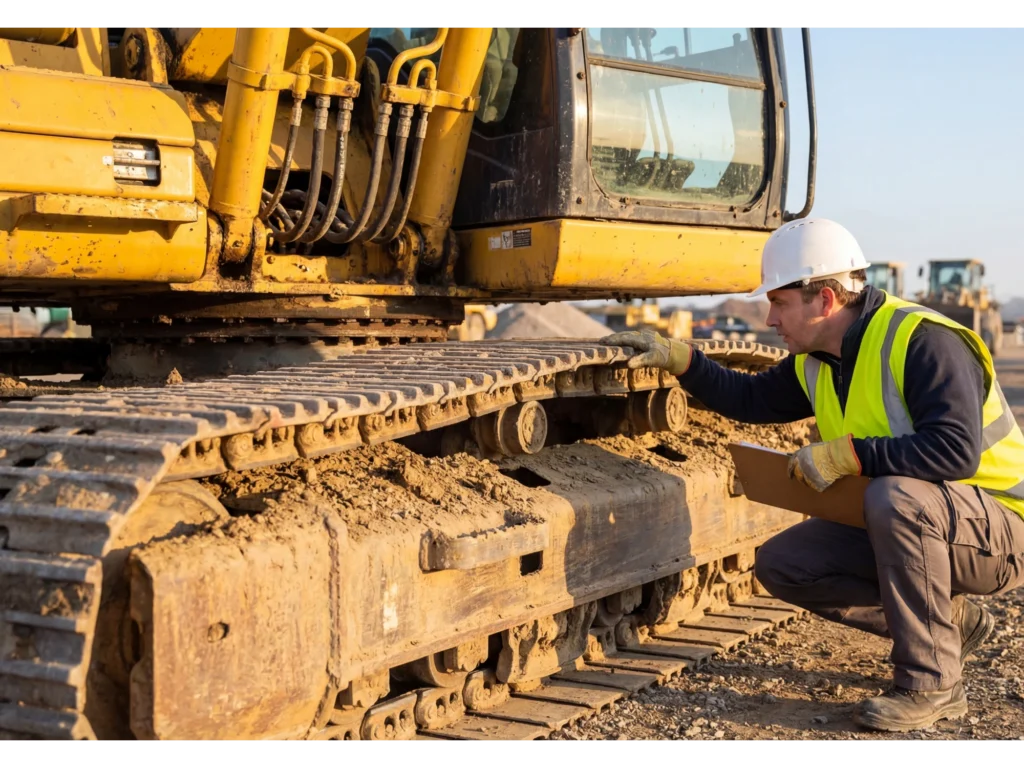
- Regular Cleaning: Keep tracks, tires, and undercarriages free of excessive mud buildup. Accumulated mud adds weight, reduces traction, and can interfere with moving parts, leading to premature wear.
4. Environmental Protection and Compliance
Adhering to environmental regulations is crucial, especially during the thaw.
- Erosion and Sediment Control (ESC) Plan: Implement a robust ESC plan. This includes installing silt fences, sediment traps, straw wattles, and maintaining vegetated buffers around waterways. Regularly inspect and maintain these controls, as they are particularly vulnerable during heavy spring rains. The Oregon Department of Environmental Quality (DEQ) has strict guidelines for stormwater and erosion control.
- Fuel and Chemical Spill Prevention: Store fuels and chemicals in designated, contained areas away from waterways. Have spill kits readily available and train personnel on their use. The risk of spills contaminating saturated ground and quickly spreading is higher during the thaw.
- Minimize Disturbance: Limit the extent of disturbed areas on the site. Revegetate or stabilize exposed soil as quickly as possible to prevent erosion once the ground firms up.
- Respect Load Restrictions: Strictly adhere to county and state load restrictions on public roads. These are put in place to protect infrastructure during its most vulnerable state. Plan material deliveries and equipment transport accordingly, potentially using lighter loads or alternative routes.
By integrating these best practices into your project management and daily operations, you can effectively mitigate the challenges posed by the Spring Thaw, ensuring your heavy tools are used safely, efficiently, and responsibly throughout Oregon’s dynamic building season.
Frequently Asked Questions about Spring Thaw and Heavy Tools
Navigating the Spring Thaw with heavy equipment can raise many questions. Here are some of the most common inquiries, providing clarity and practical advice for those working in Oregon and similar climates.
Q1: What exactly is the Spring Thaw and why is it a problem for heavy tools?
A1: The Spring Thaw is the annual period when frozen ground from winter begins to melt. During winter, water in the soil freezes and expands, often forming ice lenses that can lift and weaken the ground (frost heave). As temperatures rise in spring, this ice melts, releasing a large amount of water into the soil. Because deeper layers of the ground may still be frozen, this meltwater often gets trapped near the surface, leading to highly saturated, muddy, and unstable soil conditions.
This becomes a significant problem for heavy tools because:
- Reduced Bearing Capacity: Saturated soil loses its ability to support heavy weight. Equipment can sink, get stuck, or even tip over.
- Loss of Traction: Muddy conditions drastically reduce the traction of tires and tracks, making it difficult for machines to move or perform tasks efficiently.
- Increased Wear and Tear: Operating in mud puts immense strain on engines, transmissions, tracks, and hydraulic systems, leading to accelerated wear, increased fuel consumption, and costly breakdowns.
- Site Damage: Heavy equipment operating on soft ground can create deep ruts, damage site infrastructure, and exacerbate erosion.
Q2: How does the Spring Thaw specifically affect construction and logging in Oregon?
A2: In Oregon, the Spring Thaw has distinct impacts across its varied geography:
- Willamette Valley (Construction/Agriculture): The clay-rich soils common here become extremely soft and sticky when saturated, making excavation, foundation work, and general site access very challenging. Road bans are common on unpaved county roads.
- Cascades/Coast Range (Logging/Road Building): Forest roads, often unpaved and on steep terrain, are highly susceptible to damage and erosion during the thaw. Logging operations frequently face “shut-down” periods or strict load limits to prevent severe rutting, road damage, and sediment runoff into sensitive waterways. This can significantly impact timber harvesting schedules.
- High Desert/Eastern Oregon (Agriculture/Ranching): While generally drier, the freeze-thaw cycles can still impact access to fields, create muddy conditions around livestock areas, and affect irrigation infrastructure.
- General Impact: Across the state, the thaw can delay the start of the building season, impact material deliveries due to road restrictions, and increase the cost and complexity of any project requiring ground disturbance.
Q3: What types of heavy tools are best suited for Spring Thaw conditions?
A3: The general rule is to prioritize tools that distribute weight over a larger area and offer superior traction.
- Tracked Equipment: Excavators, dozers, and track loaders are generally preferred over their wheeled counterparts. Their tracks provide a larger contact patch with the ground, reducing ground pressure and improving flotation in soft mud.
- Wide Tracks (LGP – Low Ground Pressure): For extremely soft conditions, equipment fitted with wider tracks (sometimes called “swamp pads”) can further enhance flotation.
- Articulated Dump Trucks: These trucks, with their articulated chassis and all-wheel drive, are far more capable of navigating muddy and uneven terrain than standard rigid-frame dump trucks.
- Skid Steers/Compact Track Loaders (CTLs): CTLs, being tracked versions of skid steers, are excellent for smaller-scale work in muddy conditions where larger equipment might be too heavy or cumbersome.
- Specialized Attachments: Buckets with mud teeth can help excavate sticky clay more effectively. Winches are essential recovery tools to have on site.
Q4: What are some practical steps I can take to prepare my site for the Spring Thaw?
A4: Preparation is key to mitigating thaw challenges:
- Improve Drainage: Clear existing ditches, create temporary swales, and use pumps to remove standing water from critical work areas.
- Reinforce Access: Lay down geotextile fabric and aggregate, or use timber/composite mats on primary access roads and work pads to distribute weight and prevent rutting.
- Implement Erosion Control: Install silt fences, sediment basins, and straw wattles around disturbed areas and near waterways to prevent sediment runoff.
- Monitor Conditions: Regularly inspect the site for soft spots, standing water, and changes in ground stability.
- Plan Work Sequences: Schedule tasks that require heavy ground disturbance for later in the season when the ground has firmed up, or plan to use only tracked equipment for early work.
- Check Local Regulations: Be aware of and adhere to any local road load restrictions during the thaw period.
Q5: How can I protect my heavy equipment during the Spring Thaw?
A5: Protecting your investment in heavy tools involves several measures:
- Proper Equipment Selection: Use tracked machines or those with wide tracks when possible to reduce strain.
- Reduced Loads: Lighten loads on dump trucks and loaders to decrease ground pressure.
- Smooth Operation: Train operators to use smooth, controlled movements, avoiding sudden starts, stops, or turns that can cause sinking or damage.
- Regular Cleaning: Keep tracks, tires, and undercarriages free of excessive mud buildup. Mud adds weight, reduces traction, and can cause wear on moving parts.
- Increased Maintenance: Perform more frequent checks and lubrication of critical components. Mud and moisture can quickly ingress into seals and bearings.
- Recovery Preparedness: Have appropriate recovery equipment (winches, heavy-duty tow straps, shackles) on hand and ensure operators are trained in safe recovery procedures.
- Storage: When not in use, park equipment on firm ground or reinforced pads to prevent it from sinking overnight.
Q6: Are there any environmental concerns specific to the Spring Thaw?
A6: Yes, environmental concerns are heightened during the Spring Thaw:
- Erosion and Sedimentation: Saturated, unstable soil is highly prone to erosion. Runoff can carry sediment into streams, rivers, and lakes, harming aquatic life and water quality. Strict adherence to erosion and sediment control plans is crucial.
- Soil Compaction: Operating heavy equipment on wet soil can severely compact the soil, reducing its ability to drain, hindering root growth, and making it less fertile for future use.
- Fuel/Chemical Spills: The risk of spills contaminating saturated ground and quickly spreading into waterways is higher. Proper storage, fueling procedures, and spill kits are essential.
- Damage to Wetlands/Sensitive Areas: These areas are particularly vulnerable during the thaw. Careful planning to avoid or minimize impact on such zones is critical for compliance with Oregon’s environmental regulations.
Conclusion
The Spring Thaw in Oregon is more than just a seasonal shift; it’s a pivotal period that demands respect, foresight, and strategic planning from anyone working with heavy tools. From the saturated soils of the Willamette Valley to the vulnerable forest roads of the Cascades, understanding the nuances of melting ground and its impact on heavy machinery is not just good practice – it’s essential for success.
By embracing the principles outlined in this guide – from proactive pre-season planning and meticulous site assessment to the intelligent selection and operation of heavy tools, and unwavering commitment to best practices and environmental stewardship – you can transform potential challenges into opportunities. Navigating the thaw effectively leads to enhanced project efficiency, significant cost savings, improved safety for your team, and a stronger reputation within the community and industry. It’s about working smarter, not just harder, and ensuring that Oregon’s building season kicks off on solid footing, even when the ground beneath is anything but.
Don’t let the Spring Thaw catch you unprepared. Equip yourself with knowledge, plan meticulously, and operate responsibly.
More about us: www.miniexcavator.org

